
Project Pat's Son's Murder Trial Delayed: What This Means for the Hip Hop Community
By Simone Walker, PowerVault Staff The trial for the murder of Project Pat's son, Patrick Houston Jr., has been pushed back to December 9, marking a significant delay in a case that's been closely watched by the Hip H...
Advertisement

By Simone Walker, PowerVault Staff
The trial for the murder of Project Pat's son, Patrick Houston Jr., has been pushed back to December 9, marking a significant delay in a case that's been closely watched by the Hip Hop community. This is more than a story of violence; it's a profound moment that echoes through the culture with gravity. Talia Jones and Jermiesia Franklin, the two women charged in his killing, find themselves at the heart of a legal saga that demands attention and scrutiny. Their involvement and the complexities surrounding this case have sparked conversations not just about justice, but also about the societal conditions that often set the stage for such tragedies. This trial is not just another headline; it's a reflection of deeper issues affecting the community.
According to a report from Action News 5, the charges against Talia Jones and Jermiesia Franklin are severe and layered. Jones faces charges for facilitating first-degree murder, suggesting she played a crucial role in the events leading to Patrick Houston Jr.'s death. Meanwhile, Franklin is confronted with two counts of first-degree murder, alongside charges of aggravated robbery and tampering with evidence. This paints a grim picture of the fatal incident that unfolded on January 10, 2025, a date that forever changed the Houston family and rattled Memphis. The charges indicate a premeditated and violent act, underscoring the gravity of what happened that day. This is more than a legal battle; it's a narrative that encapsulates loss, tragedy, and the harsh realities faced by many in similar circumstances.
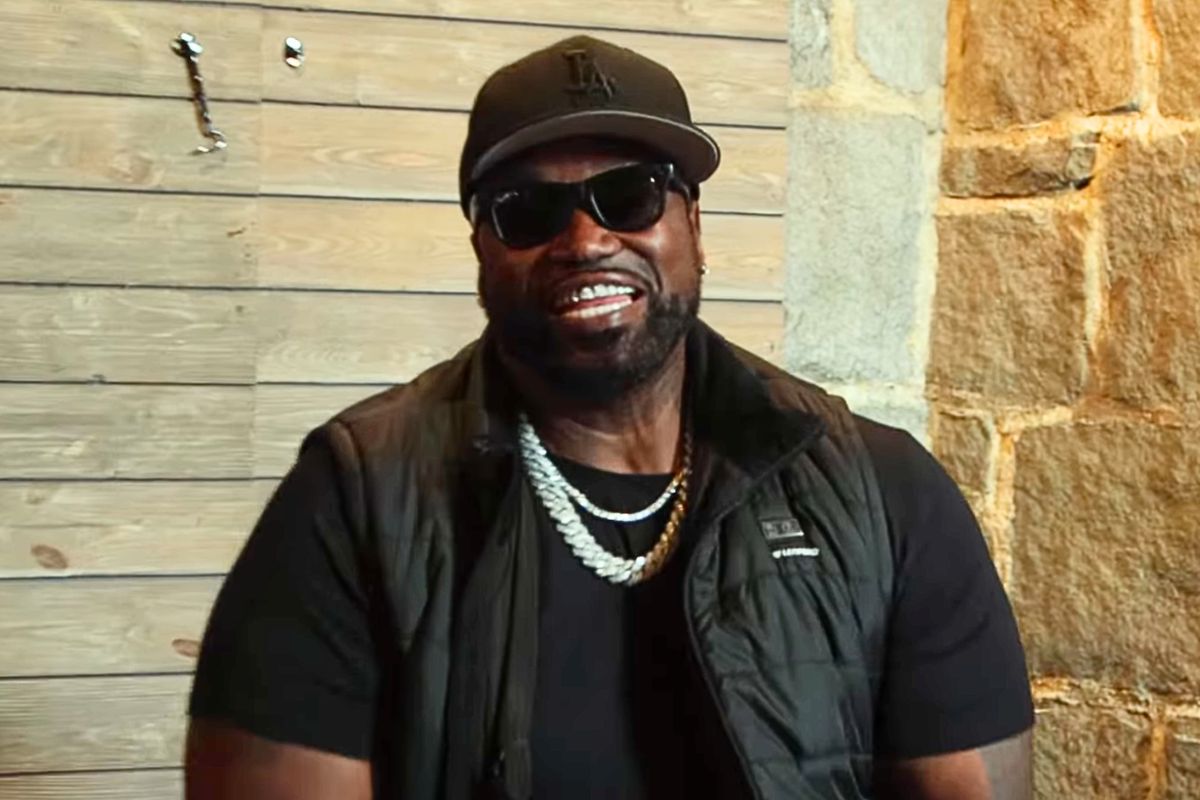
Project Pat, whose real name is Patrick Houston Sr., stands as a towering figure in Memphis's Hip Hop scene, proof of the city's raw and unfiltered musical essence. Known for his unforgettable contributions to tracks like Three 6 Mafia’s “Sippin’ on Some Syrup” and more contemporary features such as Drake's “Knife Talk,” Pat's influence extends beyond music; he's a cultural icon. His career, marked by lyrical authenticity and a connection to the streets, has made him a beloved figure. However, the tragic loss of his son intertwines his legacy with personal grief, casting a shadow over an otherwise celebrated journey. This duality of public triumph and private sorrow resonates deeply in the community, making his story one of both inspiration and heartbreaking loss.
Memphis Police launched their investigation immediately following the shooting, highlighting the urgency and seriousness of the case. Yet, it wasn't until June 27, 2025, that a warrant was issued for Talia Jones, marking a turning point in the pursuit of justice. The investigation's reach extended to Minnesota, where federal marshals, utilizing the expertise of the Two Rivers Violent Fugitive Task Force, successfully tracked her down. This cross-state effort shows the lengths law enforcement is willing to go to ensure accountability in a case that has captured public attention and emotion. The arrest not only signifies a step towards justice for the Houston family but also exemplifies the challenges and complexities involved in apprehending suspects in high-profile cases that demand resolution.
Franklin, who was just 16 when the crime occurred, faces adult charges, emphasizing the severity of her alleged actions. Her indictment as an adult reflects the grave nature of the accusations, with a $5 million bond underscoring the perceived flight risk and seriousness attributed to her case. This staggering bond amount is not just a procedural formality; it signals the weight of the charges and the implications for both Franklin and the community. The delay in her trial only heightens the tension and anticipation, leaving a community on edge as it awaits justice. This case is more than a courtroom drama; it's a focal point of communal pain, hope for justice, and the quest for closure in a city that has seen its fair share of heartbreak.
Project Pat's journey through Hip Hop is proof of his resilience and the enduring spirit of Memphis's music scene. Emerging in the early 2000s, his collaboration with Three 6 Mafia not only cemented his place in rap history but also showcased the gritty, unfiltered reality of Southern Hip Hop. His ability to adapt and collaborate with modern artists like Drake highlights his lasting influence and relevance in a constantly evolving industry. However, this tragic situation with his son represents more than just a personal loss; it's a generational collision where the past and present meet in a painfully stark way. It's about legacy, not just of music, but of family and the hopes that one generation places on the next. This narrative is as much about the future as it is about honoring the past.
The delay in the trial carries weight beyond the courtroom.
This delay is a reminder of the complexities and ongoing struggles faced by the community, where every injustice echoes deeply within our culture.
For Project Pat, the delay in the trial is not merely a procedural hiccup; it's a haunting reminder of his lost son, a young man who carried his name and, potentially, his cultural legacy. As a father, the prolonged wait for justice is a heavy burden, one that leaves emotional scars that time alone cannot heal. This ongoing legal limbo exacerbates the grief, creating a state of uncertainty that no parent should have to endure. It's a personal and communal wound that remains open, felt not only by the Houston family but also by the entire community. The delay prolongs a painful chapter that should have begun to close, underscoring the profound impact of this tragedy on all who are connected to it.
This case starkly highlights the systemic issues that continue to plague our justice system, where delays are more than common, they're expected. Families are often left in a state of uncertainty, waiting for a justice system that seems to move at a glacial pace. This isn't an isolated incident; it's part of a broader pattern seen in cases like Yella Beezy's, where justice feels more like a distant hope than a concrete promise. The need for reform is evident, yet this case shows just how entrenched these inefficiencies and challenges are. It's a reminder that the system is long overdue for change, and without it, families will continue to suffer under the weight of prolonged legal battles and delayed justice.
The community around Memphis and the wider Hip Hop culture views this trial as more than just a legal proceeding; it's a defining moment that echoes the struggles and stories of many who are often rendered invisible by the headlines. While this case centers on Project Pat's family, it also speaks to countless families caught in the web of violence and systemic delays. The trial is a mirror reflecting the harsh realities that many face, where justice is not just a legal term but a deeply personal and community-driven quest. The culture, with its roots in resistance and resilience, feels every ripple of injustice as it plays out on these public stages, demanding accountability and change.
Advertisement
Beneath the surface of this legal battle lies a poignant commentary on race and class, where two young Black women stand accused in a justice system that has historically been anything but fair. The racial undertones are unmistakable, as are the broader societal implications if justice is not served with transparency and fairness. This delay serves as a stark reminder of the complex and ongoing struggles faced by the community. Each instance of injustice echoes deeply within our culture, resonating with a history of systemic inequality and the urgent need for reform. It's a narrative that challenges us to confront uncomfortable truths about race, justice, and the society we aspire to build.
As the trial date in December approaches, all eyes are on the Memphis courtroom, where the proceedings will not only determine the fate of those involved but could also spark broader discussions on justice and systemic reform. The community, holding its breath, hopes for a resolution that honors the profound loss experienced by so many. This is more than a legal battle; it's a moment of reckoning that could influence future dialogues about accountability and change. While the legal system may move slowly, the hearts and minds engaged in this issue remain active and vigilant, seeking justice and hoping for a fair outcome that respects the lives touched by this tragedy.
