Raven-Symoné's Take on Raven Baxter's Blackness: What It Really Means
By Andre Coleman, PowerVault Staff Raven-Symoné is back in the spotlight, not for her iconic role on "That’s So Raven," but for her recent comments questioning the Blackness of her character, Raven Baxter. On a recent...
Advertisement

By Andre Coleman, PowerVault Staff
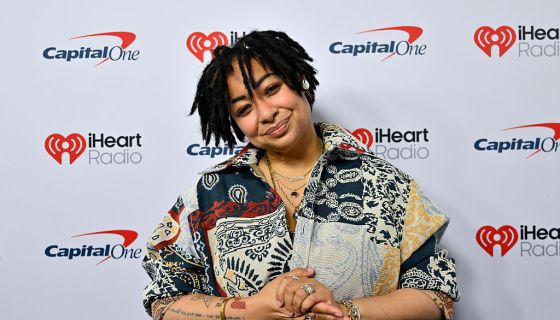
Raven-Symoné is back in the spotlight, not for her iconic role on "That’s So Raven," but for her recent comments questioning the Blackness of her character, Raven Baxter. On a recent episode of the "Tea Time" podcast, Raven revisited a controversial discussion that has been making waves online and drawing eyes and ears from across social media. Flanked by her former co-star Kyle Massey and her wife Miranda Maday, Raven addressed the backlash stemming from her comments about the universality of her character. This has sparked a fiery debate, with some fans feeling that her remarks were undermining the cultural significance of the beloved Disney Channel series. The conversation has reignited discussions about race and representation in media, showing just how important these narratives are to audiences hungry for authentic portrayals.
The saga began when a clip from an April podcast episode resurfaced, bringing Raven-Symoné's comments under the microscope. During the interview, comedian Kalen Allen applauded "That’s So Raven" for its groundbreaking depiction of a Black family on Disney Channel. He described Raven Baxter as "f, ing Black," highlighting the character's cultural significance. However, Raven-Symoné challenged why Allen felt so strongly that her character's identity was tied to her Blackness. According to Bossip, Raven later claimed her intention wasn't to erase the show's cultural roots but to emphasize its universal appeal. This distinction, though, became a point of contention as many felt that separating Raven Baxter from her Blackness could undermine the very representation that made the show a touchstone for Black audiences.
Raven's curious question, “Was she Black? Why did she feel Black to you?” set social media ablaze with debates and discussions. Kalen Allen explained the profound impact of seeing a Black family on Disney Channel, a platform not always known for its diversity. Drawing from his own experiences, he articulated the emotional resonance that came from seeing characters who looked like him handling life's everyday challenges. But Raven pressed on, challenging listeners with, “So you saw color. Take away the color. Make them green, and hear the words. What color are they?” This hypothetical scenario was intended to provoke thought about the universality of human experiences, but it also raised questions about whether such an approach might dilute the cultural specificity that made the show groundbreaking in the first place.
In the recent "Tea Time" episode, Raven-Symoné attempted to clarify her earlier comments, attributing the public backlash to a misunderstanding of her intentions. She expressed frustration that her remarks about the hypothetical "green" Raven Baxter had been taken out of context and sensationalized across the internet. Addressing her critics directly, Raven stated, "You took a clip, and you grew it," pointing to how a snippet can often misrepresent the full scope of a conversation. Kyle Massey, her co-star on the podcast, stood by her side, admitting that while he understood the essence of what Raven was trying to communicate, her delivery may not have resonated with everyone. This conversation highlights the complexity of discussing race and representation, especially when intentions are lost in translation.
Massey pointed out that when Kalen Allen described Raven Baxter as "the Blackest," it was meant as a compliment, celebrating the character's cultural authenticity. Raven agreed, acknowledging that she received it that way, but Massey suggested that her initial reaction might not have conveyed the same appreciation to the viewers tuning in. He further noted that Allen's acknowledgment of "That's So Raven's" representation was empowering and significant. Still, Massey cautioned that Raven's questioning could be interpreted as negating the impact of that representation. This highlights the delicate balance creators must handle between exploring universal themes and honoring the cultural specifics that resonate with their audience. Massey's comments explain the importance of clear communication in discussions about race and representation.
Raven-Symoné has built a career as a trailblazer, shattering ceilings and paving ways for others to follow. Her role on "That’s So Raven" was groundbreaking, marking her as the first Black female to lead a show with her name in the title on Disney Channel, a significant milestone in television history. This achievement resonates with other transformative moments in media, like when Halle Berry broke barriers as the first Black woman to win an Academy Award for Best Actress. These instances highlight the broader fight for representation and the ongoing journey toward inclusivity in entertainment. The cultural significance of such milestones cannot be overstated, as they serve as beacons of progress and hope for future generations of Black creatives and audiences alike.
But universal appeal shouldn't come at the expense of racial identity and representation.
Universal appeal shouldn't come at the expense of racial identity and representation.
Raven's intent to view her work through a universal lens is noble in theory, aiming to create art that transcends boundaries and speaks to a diverse audience. Yet, this approach inadvertently puts a spotlight on the erasure of cultural specificity, which is often the heartbeat of representation. For many Black fans, Raven Baxter wasn't just a character on a screen; she was a symbol of representation and hope on a mainstream platform that often lacked diversity. The desire to see oneself reflected authentically is a universal need, but it's especially critical for minorities who are historically underrepresented in media. It's a delicate balance between embracing universal themes while honoring the cultural roots that give a story its unique power and resonance.
In the entertainment industry, representation is both an opportunity and a responsibility. Shows like "That’s So Raven" paved the way for more inclusive programming, setting a standard for future shows to follow. Raven's comments, albeit misunderstood by some, remind us of the delicate balance between creating art that resonates broadly while honoring the cultural roots that give it depth. Her character's Blackness was integral to its relatability for many viewers, serving as a mirror to their own lives. Minimizing that aspect can lead to a slippery slope of erasing identity, which is why it remains crucial to celebrate and uphold cultural specificity in storytelling. The industry's evolving scene requires creators to be mindful of these dynamics as they craft narratives.
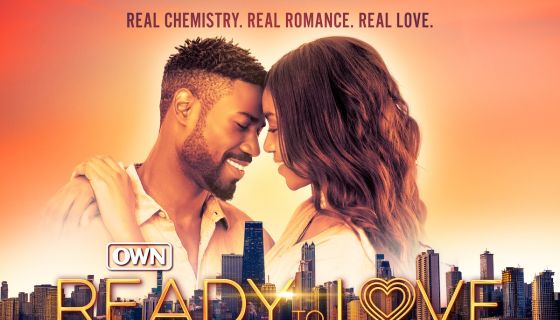
As the conversation around representation in media continues to evolve, it is vital to celebrate the progress made while recognizing the urgent need for more. The industry must ensure that inclusivity is not just a fleeting trend but a staple of content creation. Much like what we saw with Bryana and Jordan heating up "Ready To Love," pushing reality TV to embrace real diversity, there is a demand for authentic portrayals in every genre. Raven-Symoné addressed her comments head-on, sparking a dialogue that challenges creators to think deeply about their approach to storytelling. Her candidness is a reminder that while strides have been made, the journey toward genuine representation is ongoing, requiring constant reflection and commitment.
The social dynamics at play in this discussion are telling of the industry's historical context. The entertainment industry's longstanding lack of diversity means that shows like "That’s So Raven" carry significant cultural weight. As more Black creatives break into spaces traditionally dominated by non-Black voices, the pressure to balance universal themes with cultural authenticity mounts. Money talks, but the values and identities of the audiences paying to watch must remain front and center. Ensuring that diverse voices are heard and represented authentically is not just good business, it is a moral imperative. The ongoing dialogue around Raven-Symoné's comments shows the importance of this balance as the industry continues to evolve.
Advertisement
So, what happens next for Raven-Symoné? With the podcast airing, she's opened a new chapter in the ongoing conversation about race and representation in media. Her clarification attempts to bridge the gap between intention and perception, offering insight into the complexities of discussing identity in entertainment. As the debate evolves, Raven's legacy as a cultural pioneer remains intact, reminding us of her significant contributions to television and beyond. The conversation she sparked will likely encourage other creators to think deeply about how they approach universal storytelling, challenging them to consider the narratives they elevate. In the end, this isn’t just about one character; it’s about a movement toward genuine representation that honors all facets of identity.
Raven-Symoné's reflection challenges us all to consider the narratives we elevate and the stories we choose to tell. As Black creators continue to shape the media scene, the importance of authenticity and representation becomes even more critical. With each step forward, we’re reminded that progress is not just about breaking barriers, but about building bridges that connect diverse communities. This is the new frontier for storytelling, one that honors all facets of identity.