
Rick Ross' Felony Charge Dropped: What's Next for the Rapper?
By Jasmine Reed, PowerVault Staff Rick Ross finds himself in the spotlight once again, and this time, it’s not for his legendary music or business acumen. The Miami heavyweight, known for his iconic presence in the ra...
Advertisement

By Jasmine Reed, PowerVault Staff
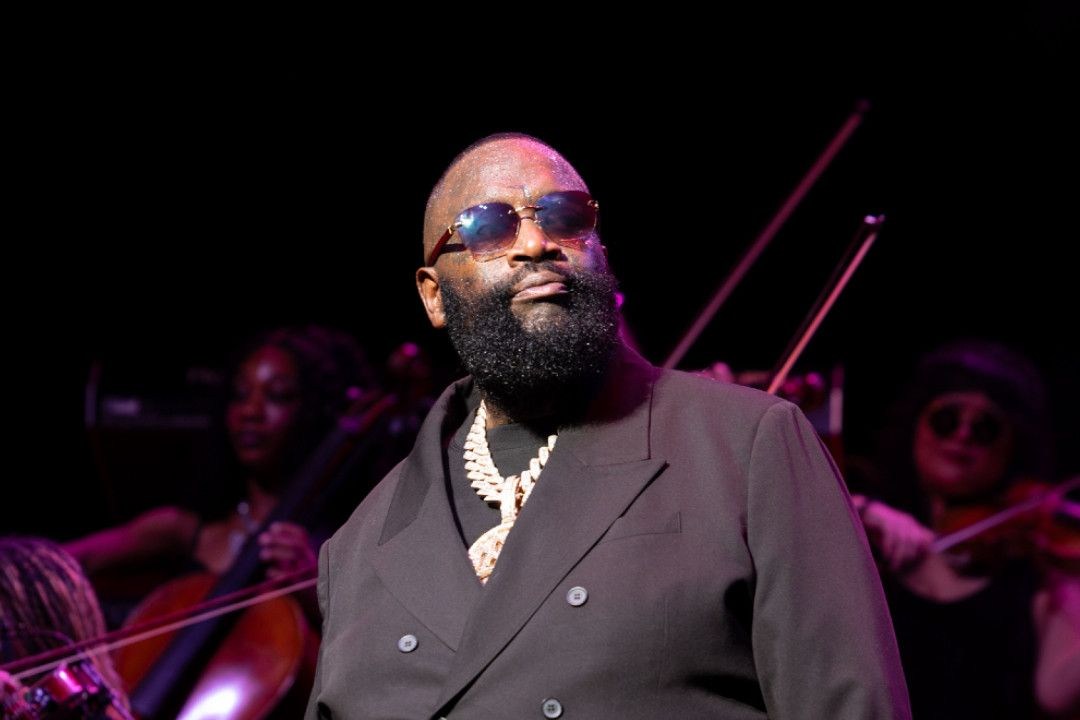
Rick Ross finds himself in the spotlight once again, and this time, it’s not for his legendary music or business acumen. The Miami heavyweight, known for his iconic presence in the rap game, recently had a felony battery charge dropped in a domestic violence case involving his ex-girlfriend, Jazzma Kendrick. This development may seem like a win, but Ross isn't out of the woods just yet. He's still facing two misdemeanor charges that could have significant implications for his public image and career. The situation shows the complexities artists face when personal issues intersect with their public personas, reminding us that the glamorous life often comes with shadows that loom large, even for industry titans like Ross.
According to court documents obtained by XXL, the decision to drop the felony battery/strangulation charge against Ross was due to insufficient evidence, a common hurdle in cases involving high-profile individuals. The incident reportedly took place on August 28 and quickly made headlines when Kendrick accused Ross of becoming violent following a quarrel that started on social media. Such disputes, often trivial to outsiders, can escalate dramatically, especially under the public microscope. While the felony charge was dismissed, the rapper still faces accusations of battery and battery/domestic violence, both of which are misdemeanors. TMZ reports that after pleading not guilty, Ross was released on a $5,000 bond, a relatively small sum for someone of his stature but a significant moment in the legal process.
Ross' legal troubles began when he voluntarily turned himself in on October 1, a move that suggests he was ready to face the situation head-on. According to the police report, Jazzma Kendrick provided a harrowing account, claiming the altercation stemmed from a social media post. She alleges that Ross restricted her breathing by twisting the collar of her hoodie and struck her multiple times, painting a vivid picture of a violent encounter. These allegations, if true, could have serious repercussions, not just legally but also in the court of public opinion. Despite the severity of the accusations, Ross has consistently maintained his innocence, choosing to address the matter through social media, a modern-day courtroom where public perception can often outweigh legal realities.
On Instagram, Ross took to the platform to firmly deny the allegations against him, labeling them as 'fabricated.' His video message exuded confidence in his legal team's ability to dismantle these claims, emphasizing his belief that the truth would prevail. Ross's decision to use social media to make such statements reflects the current era where artists often bypass traditional media to speak directly to their audience. In doing so, he attempts to control the narrative, asserting his innocence while rallying support from his fanbase. This strategy is not without risk, as public declarations can sometimes complicate legal proceedings, but for Ross, it’s a calculated move to maintain his image amidst the storm.
Jazzma Kendrick has remained mostly silent since her initial public accusations, a choice that leaves many questions hovering in the air. Initially, she posted online to voice her claims before contacting authorities, a move that speaks to the power and immediacy of the digital age. Her silence since then creates a vacuum, fueling speculation about the incident's details and the motivations behind her allegations. As the case develops, this quietness could either work in her favor, preserving her narrative until the court proceedings, or it may raise doubts about the veracity of her claims, as public opinion often demands constant updates and engagement. Regardless, her decision to step back highlights the personal toll such public disputes can have.
The Hip Hop community isn't unfamiliar with controversies of this nature, where the private lives of celebrities spill into the public domain, often in messy, sensationalized ways. These legal battles, reminiscent of the highly publicized 2015 incident involving Chris Brown, serve as stark reminders of how quickly personal conflicts can become fodder for media consumption. In a genre where image and reputation are paramount, these cases don't just affect the individuals involved but also shape the broader perception of the industry. They challenge the community to confront uncomfortable truths about the culture and the individuals who both create and consume it, questioning how much responsibility lies with the artists versus the environment that surrounds them.
This is more than about one incident; it's about what it represents.
The discrepancy between public persona and private life is a battle many artists face, but in this case, it highlights deeper issues within our community.
For Ross, this situation is a stark reminder of the fine line between public persona and personal reality. While his music often portrays him as a larger-than-life figure, with tales of success and power, his off-stage life may reveal a more complex narrative. This duality isn't unique to Ross but is a common thread among many artists who must handle the pressures of maintaining a public image while managing personal struggles. The weight of fame can blur these lines, leading to repeated patterns where personal issues bubble to the surface. This raises critical questions about the demands placed on artists, the expectations of authenticity versus the reality of their lives, and the personal toll that accompanies their public success.
In the broader industry context, legal challenges like these often force record labels and management teams to walk a tightrope. Balancing the need to protect the brand while addressing personal controversies requires careful maneuvering. For Hip Hop artists, who are often seen as more than just musicians but as embodiments of a certain lifestyle and raw authenticity, any misstep can have significant repercussions. The stakes are high, as fans expect their idols to live up to the personas they project, and any deviation can be costly. This pressure to maintain an unblemished image, while dealing with personal complexities, creates a precarious situation for both the artist and those who have a vested interest in their success.
For the audience, these stories serve as a mirror reflecting societal expectations and the myth of celebrity infallibility. As fans, we are often enchanted by the narratives of triumph and struggle, yet we are quick to judge when real-life actions don't align with the crafted image. This dichotomy forces the culture to confront its role in enabling certain behaviors or, conversely, rushing to condemnation without understanding the nuances involved. The Hip Hop community, in particular, is rooted in storytelling that often mirrors real-life challenges, making it even more essential to discern between artistic expression and the real-life consequences that sometimes follow. This reflection is crucial in understanding the broader cultural dynamics at play.
The discrepancy between public persona and private life is a battle many artists face, and in Ross's case, it brings to light deeper issues within the community. Topics like gender dynamics, respect, and the unresolved traumas that surface under the harsh glare of public scrutiny are deserving of more than just a passing glance. These are not new challenges, but they are ones that demand our attention and action. As the culture evolves, so must our understanding and response to these issues, recognizing the complexity of human behavior while holding individuals accountable. This case pushes us to look beyond the headlines and engage with the underlying societal factors that contribute to these recurring narratives.
Advertisement
Looking forward, all eyes will be on how this case unfolds and its impact on Ross' career and personal life. This moment could either be another chapter in his storied past or an opportunity for growth and change. As observers, it's crucial to remain critical and aware of the broader implications, demanding accountability from those involved while also acknowledging the human element that often gets overshadowed by sensationalism. The outcome of this case will not only affect Ross but will also contribute to the ongoing dialogue about personal responsibility, public perception, and the ever-blurring lines between the two in the world of Hip Hop.
More from PowerVault Network:
