Rick Ross Not Guilty Plea: What It Means for Hip Hop and the Industry
By Malik Carter, PowerVault Staff The courtroom buzzed with anticipation as Rick Ross made his way to the stand, the room filled with the heavy air of expectation. The eyes of the media, fans, and critics were all on...
By Malik Carter, PowerVault Staff
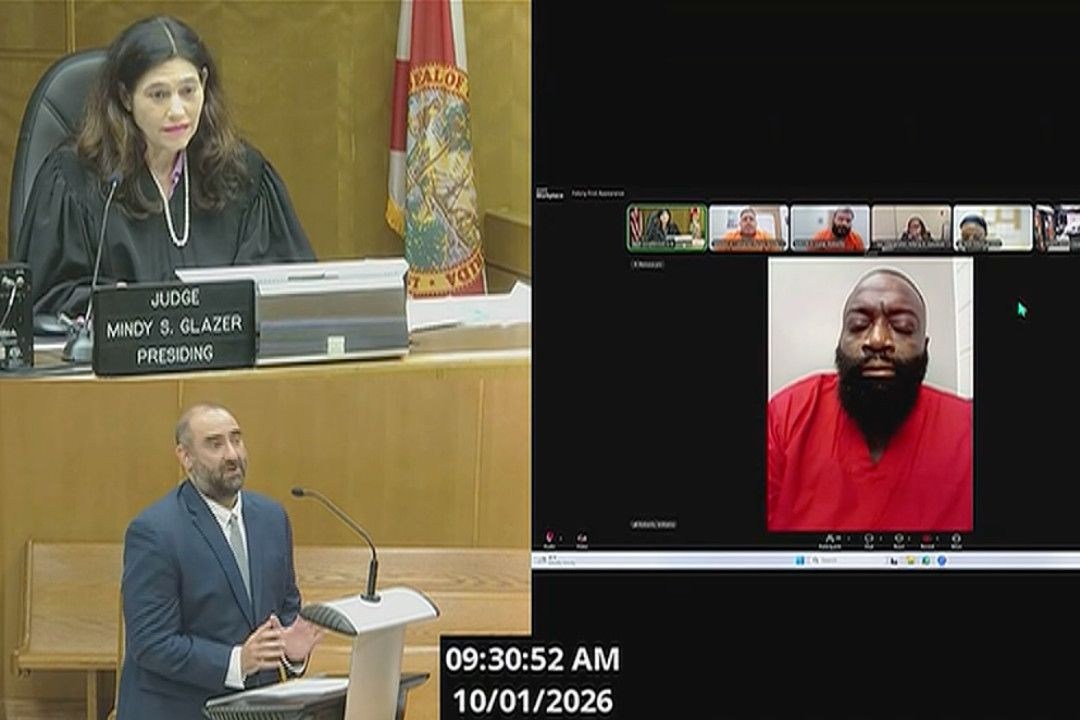
The courtroom buzzed with anticipation as Rick Ross made his way to the stand, the room filled with the heavy air of expectation. The eyes of the media, fans, and critics were all on him. This wasn't just another day in court; it was a moment that could potentially redefine the public perception of one of hip hop's heavyweights. As Ross pleaded not guilty to battery charges related to a domestic violence accusation, the hip hop community held its breath.
The news hit hard and fast, rippling through the community like a seismic wave. For many, Rick Ross isn't just a rapper; he's an institution. Known for his commanding presence and larger-than-life persona, his legal entanglements now add a new chapter to his storied career. The allegations, serious in nature, claim Ross was involved in a violent altercation. Yet, standing firm in his plea, he proclaimed his innocence. The legal battle ahead promises to be as intense as any rival beef in hip hop history.
Before we dig deeper, check out the moment Ross addressed the barrage of questions outside the courthouse in the video below.
In the realm of hip hop, legal troubles are not new. The genre has always had a complicated relationship with the law, often serving as a platform for addressing systemic issues and giving voice to marginalized communities. Artists like Tupac, Jay-Z, and Meek Mill have all found themselves entangled with the justice system, each case underscoring a different facet of the intersection between hip hop culture and the law. Rick Ross now joins this storied lineage, with his case carrying implications not just for him, but for the industry at large.
But let's keep it real: this isn't just about Rick Ross. This situation brings into sharp focus the ongoing discussions about accountability, power dynamics, and gender relations within the music industry. We've seen other notable figures face similar scrutiny, and each case asks us to consider how we balance an artist's public persona against serious allegations. The culture is watching closely, and so are we.
One critical aspect of this case is the impact it could have on the perception of hip hop's treatment of women. Ross's plea of not guilty sets a combative tone, and how this unfolds may influence how future cases are approached. The industry has been rightly criticized for its history of misogyny and the often-glacial pace at which it addresses these issues. This case, therefore, isn’t just about Ross; it's about where hip hop stands now and where it's headed.
The broader question remains: what does this mean for the community of fans, artists, and industry professionals who look up to Ross? His music has been a soundtrack for many, shaping both personal narratives and the broader cultural scene. Whether it's the gritty tales of hustling or the luxurious fantasies spun in his rhymes, Ross has been a master storyteller. His current legal battle, however, adds a new layer to his narrative.
Here's a close look into Ross's public statement, where he proclaimed his innocence. This video captures his unwavering stance amidst the growing tension around the case.
It's not just Ross's personal legacy that's on the line. The industry itself is at a crossroads. The way this case unfolds could set a precedent for how similar accusations are handled in the future, influencing both legal strategies and public relations approaches. As we reflect on Jay-Z's major moves in transforming hip hop business, the Ross case could similarly shift how legal battles are fought and won.
Moreover, it’s a moment of reckoning for the fans. The audience that has grown up with Ross's music is now tasked with reconciling their admiration for his artistry with the gravity of the accusations. Hip hop has always been about more than just music; it's about identity, culture, and community. How the community responds could shape future discussions around accountability and justice in the music world.
It’s impossible to ignore the social dynamics at play here. The racial undertones are evident, as the legal system's historically biased treatment of Black men comes into question once again. In tandem with other high-profile cases involving Black celebrities, we're reminded of the dual realities faced by artists who are both celebrated and scrutinized under a public lens that often sees race before it sees talent.The culture is watching closely, and so are we.
Meanwhile, the industry waits with bated breath, understanding the potential ramifications for Rick Ross's brand and career. Whether this legal battle will affect his music, business ventures, or public persona remains to be seen. The narrative surrounding hip hop and its icons is constantly evolving, and each twist and turn in this case adds another layer to that story.
Ross's next court appearance is bound to attract even more attention, not just from the press but from fans and critics alike. The outcome could very well influence his future projects and the narrative arc of his career. As we look to the future, we must ask ourselves: what role does the hip hop community play in supporting or holding accountable its icons? And how do these stories shape the broader dialogue around justice and equality?
For now, the community watches and waits, aware that the outcome of this case will resonate far beyond one man's plea. This isn't just about Rick Ross; it's about an industry at a crossroads, a culture in self-reflection, and a community seeking justice on its own terms.
For more insights, explore our article on why the A$AP Rocky and Rihanna home shooting case matters for hip hop, examining the broader implications of legal battles involving hip hop figures.
In closing, as the world watches Rick Ross handle these challenging waters, the stakes are high, not just for him, but for the entire industry. The verdict will set a tone for how hip hop addresses its own, potentially steering the culture toward a new era of accountability or reinforcing old patterns.
Stay tuned as this story unfolds, and keep your ears to the ground. Hip hop isn't just music; it's life, and life is about to get very interesting for Rick Ross.