Sean Paul on Jamaican Artists' Struggles: The Real Barriers to Global Stardom
By Simone Walker, PowerVault Staff Picture this: it's a balmy evening in Kingston, the air is thick with the rhythm of reggae, and Sean Paul is in his element, bouncing to the beat with the cool confidence of a Danceh...
By Simone Walker, PowerVault Staff
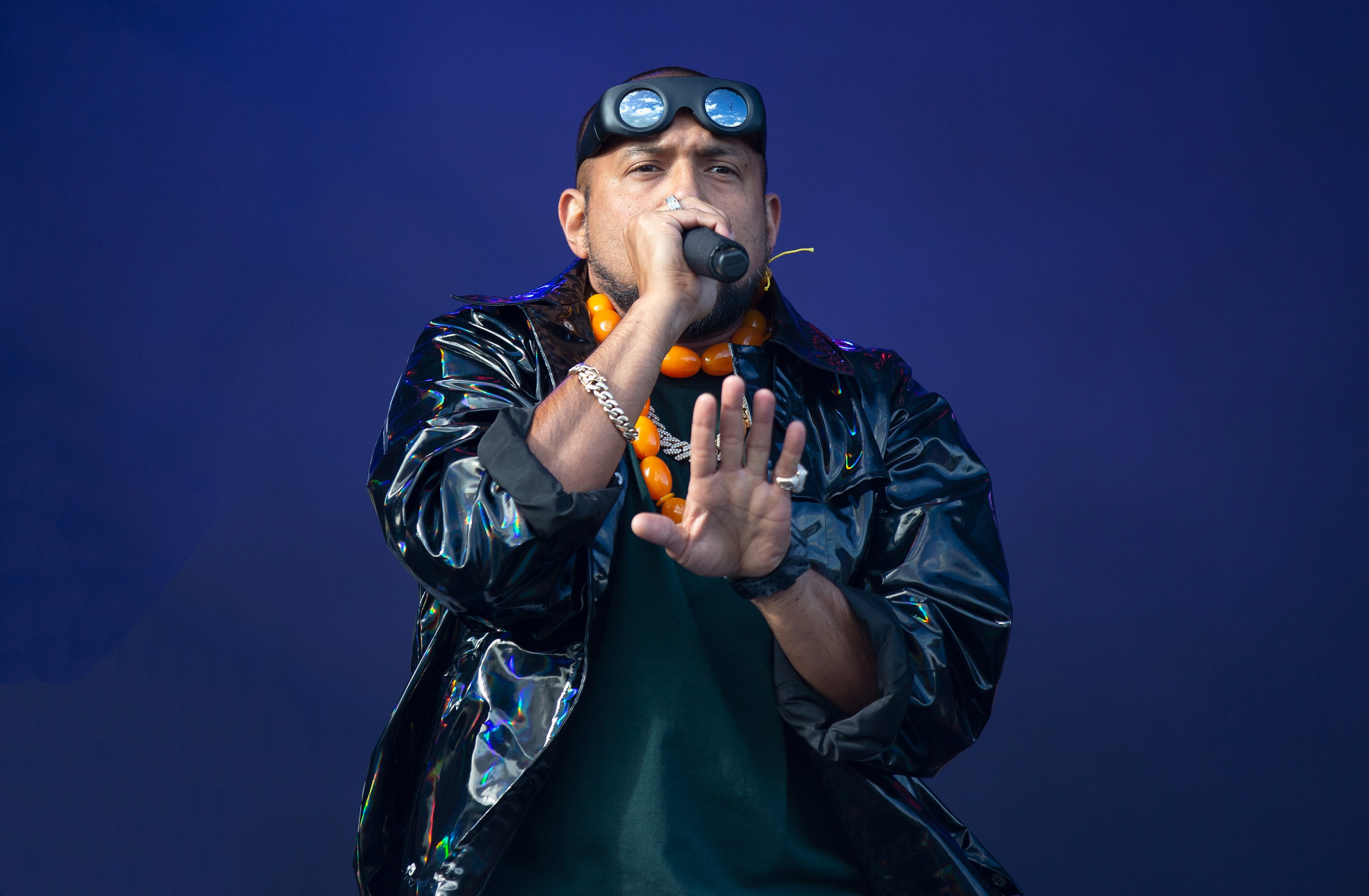
Picture this: it's a balmy evening in Kingston, the air is thick with the rhythm of reggae, and Sean Paul is in his element, bouncing to the beat with the cool confidence of a Dancehall icon. Yet, as the sound reverberates, there's an undercurrent of something unspoken, a barrier, or maybe two, that even heavyweights like Sean Paul have to confront. This isn't just about dropping the next summer anthem; it's about breaking through walls that still box in Jamaican artists.
In a candid conversation with Atlanta Black Star, Sean Paul raised a critical issue that’s been simmering beneath the surface for years: the struggles Jamaican artists face in achieving crossover success. With projects lined up featuring the likes of Shaggy and Spice, Paul isn't just talking about these barriers, he's actively working to shatter them. But what exactly are these barriers, and why do they remain so formidable?
One word: language. It's ironic, really. Patois, the heartbeat of Dancehall and Reggae, is as much a language of resistance as it is one of resilience. Yet, as Sean Paul pointed out, it often leaves non-Jamaican audiences scratching their heads. "People would get confused," he said, referencing how the very thing that makes Jamaican music authentic can also be a hurdle on the international stage. The concern isn't unfounded. In an industry that favors universality for mass appeal, staying true to one's roots can be both a badge of honor and a chain.
The second barrier? The pigeonhole of stereotypes. Sean Paul broke it down, noting how Jamaican artists are often typecast into certain genres or themes that limit their creative freedom. It's a classic case of "if it ain't broke, don't fix it," where the industry resists the diversification of the Jamaican sound. But let’s be real: music is an evolution, and the Caribbean soundscape is as vibrant and varied as its people. Just look at how Reggae fusion has influenced global hits, a testament to Jamaica's expansive musical influence.
But dive deeper and you'll find layers to this story that go beyond the music. It's about a systemic issue within the global music industry that has historically marginalized artists who don't fit the 'norm'. We've seen this script played out, not just with Jamaican artists, but with artists of color worldwide fighting for airplay and representation. When Burna Boy demands respect for Afrobeat, or when BTS breaks through with K-pop, it's the same struggle, just a different stage.
Here’s the irony: Jamaican music has been at the root of so many musical genres around the world, yet its artists continue to battle for the recognition they deserve. The global appetite for Caribbean music is insatiable, evidenced by mainstream artists sampling and collaborating with Jamaican acts. Yet, the gatekeepers, those industry power players, often hold the keys to who gets that international push and who stays within the island's shores.
Music is an evolution, and the Caribbean soundscape is as vibrant and varied as its people.
Looking at the industry, there's a clear need for change. Platforms and labels should champion artists for their originality, not their ability to conform. There's potential for a broader industry shift if listeners and tastemakers alike recognize the beauty in diversity. How many more times must we see Jamaican artists influencing sound only to be sidelined for not fitting a certain mold? A renowned producer once said that music is the language of the soul. Perhaps it's time the industry started listening to artists in their authentic voice.
For the audience, especially Black communities, this is about more than rooting for our own; it's about demanding that the recognition matches the influence. We've got to call for an industry that celebrates its innovators and doesn't just consume their culture selectively. As Jamaican artists continue to push boundaries, let's support the artists who stay true to their roots, while challenging the stereotypes that seek to confine them.
Sean Paul's insights aren't just reflections; they're a call to action. And as he gears up for more collaborations, there's hope that change is on the horizon. So next time you stream a Dancehall track or vibe to Reggae, remember the artistry that birthed it and the barriers that its creators are still fighting to dismantle. The journey towards global stardom for Jamaican artists isn't just a personal one; it's communal, deeply tied to our shared history and future.
As we look forward, there's a pressing need to not only watch how these artists handle the industry but also how the industry responds. Will it continue to embrace and elevate the Jamaican sound, or will it remain an echo chamber of past patterns? For now, all eyes are on icons like Sean Paul, who continue to dance to their beat while pushing for change. That's the energy we need more of, unapologetically authentic and endlessly influential.