Shakur Stevenson Leaves Zuffa Boxing: What His Move Means for the Industry
By Simone Walker, PowerVault Staff In a bold move that has sent ripples through the boxing community, Shakur Stevenson has ended his brief stint with Dana White's Zuffa Boxing before it even began. The undefeated four...
Advertisement

By Simone Walker, PowerVault Staff
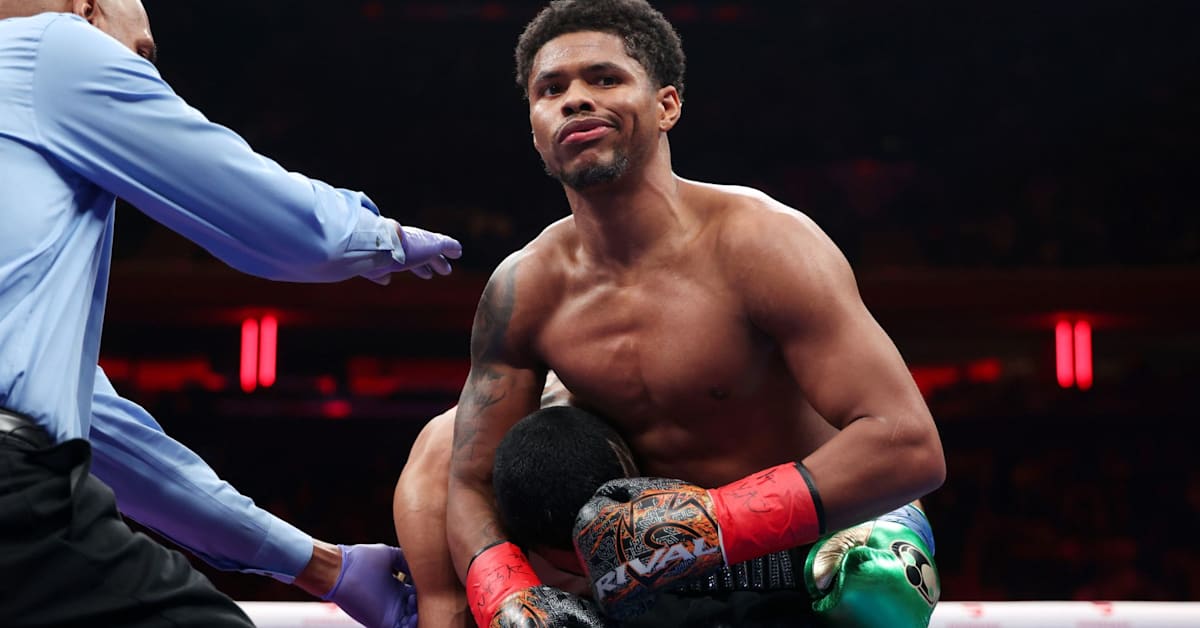
In a bold move that has sent ripples through the boxing community, Shakur Stevenson has ended his brief stint with Dana White's Zuffa Boxing before it even began. The undefeated four-division champion is now a free agent, having requested and received a release just months after signing a multi-fight deal with the promotion. Stevenson's decision to walk away reflects a deeper shift in the world of boxing and beyond, where athletes are increasingly taking control of their narratives. This move is not just about finding the right fights or avoiding contractual disputes; it signifies a broader change where athletes are no longer content with traditional roles. They are now seeking to become architects of their own careers, challenging the historical power dynamics within the sports industry.
According to ESPN, Stevenson's partnership with Zuffa Boxing dissolved after a frustrating period of training camps that led nowhere. The boxer spent nearly eight weeks preparing for fights that never materialized, a situation that would exasperate any dedicated athlete. Frustrated by the lack of action and the inertia surrounding his career, Stevenson decided enough was enough. In a statement, he revealed plans to launch his own promotional company, which aims to give him greater control over his career and future opponents. This step shows an evolving trend where athletes are moving towards self-representation to avoid being mere cogs in the sports machine. By doing so, they are not only seeking financial independence but also redefining what it means to be a professional athlete right now.
Stevenson expressed no animosity towards Zuffa or White, stating, "I've been in camp for like eight weeks, preparing for fights that I was told were going to happen and have not happened. It is what it is. This is the business of boxing. I'm not mad at anyone, I'm not pointing fingers." His words offer a glimpse into a mindset that is both pragmatic and forward-thinking. By not engaging in public disputes or casting blame, Stevenson maintains his dignity and focus on future opportunities. This approach is particularly significant in a sport where public spats and finger-pointing often overshadow the athletic achievements. Stevenson's composure underlines his understanding that the business side of boxing is complex, and sometimes the best course is to move forward without burning bridges.
The video shows Stevenson calm and collected, discussing his decision in a manner that indicates maturity beyond his years. His approach is a far cry from the public spats and blame games typical in the boxing world, showcasing his ability to maintain poise under pressure. Yet, the backdrop to this decision includes a stalled negotiation with WBO welterweight champion Devin Haney, where weight became a contentious issue. Stevenson, refusing to be rushed into a division change, emphasized his autonomy, saying, "Everybody is pressing me to be a 147-pounder. I will get there, but on my time and not on nobody else's." This declaration of independence not only highlights his resolve but also serves as a statement against the industry's tendency to dictate athletes' careers without considering their personal and professional readiness.
Dana White, who had initially celebrated Stevenson's signing as a major coup for Zuffa, offered his take on the split during a UFC post-fight press conference. While White claimed he offered the release, the underlying reality is that Stevenson's move signifies an athlete refusing to be boxed into a corner. The mismatch in priorities between Stevenson and Zuffa says a lot about the shifting power dynamics in sports where athletes are no longer just commodities to be traded. Instead, they are emerging as key stakeholders in their own right, challenging the traditional models of management that have long dominated the sports world. Stevenson's departure from Zuffa is proof of his desire to maintain control over his career path, even if it means parting ways with a major promotional entity.
This isn't the first time we've seen a Black athlete take charge of his career in such a manner. The world of boxing has seen similar stories, notably with Floyd Mayweather Jr., who broke from traditional promoters to carve his own path. Mayweather's decision back in the 2000s set a precedent for athletes like Stevenson who are not afraid to shake up the system. With a 25-0 record and four-division titles under his belt, Stevenson’s career is ripe for a similar trajectory. His decision to leave Zuffa and potentially pursue his own promotional ventures echoes Mayweather's groundbreaking move, signaling a broader shift in how athletes, particularly Black athletes, handle the business side of their sports. Stevenson's actions suggest a growing awareness and willingness among athletes to challenge established norms and assert greater control over their professional lives.
Stevenson's move is a definitive assertion of autonomy.
Stevenson's move highlights a growing trend among Black athletes to take the reins of their own destinies.
For Stevenson, this decision is about more than finding the right fights. It's his way of staking a claim in an industry notorious for exploiting fighters. Athletes like Stevenson face a sports culture that often prioritizes profit over the well-being of its stars. His decision to step away from Zuffa Boxing is not just about seeking independence, it’s about setting a standard for what athletes should demand from their careers. In an environment where fighters have historically been at the mercy of promoters and networks, Stevenson's move challenges the status quo. By taking control of his own narrative, he is not only securing his own future but also paving the way for others to do the same. This could potentially lead to a more equitable scene where athletes are valued for more than just their ability to entertain.
From an industry perspective, Stevenson's exit from Zuffa is a wake-up call. It highlights a growing trend among Black athletes to take the reins of their own destinies. With the rise of athlete-driven promotions, the traditional sports business model is under scrutiny. This could lead to a future where athletes are not just performers but also stakeholders, potentially reshaping how sports deals are made and how athletes are valued. The shift represents a move towards a more balanced power dynamic, where athletes have a say in their financial and professional futures. Stevenson's decision to forge his own path serves as a catalyst for change, encouraging other athletes to consider their worth beyond the confines of existing contracts and endorsements.
For fans and the broader community, Stevenson’s decision speaks to a larger narrative of empowerment. It's a reminder that even in industries dominated by larger entities, individuals can still wield significant power. By building his own promotional company, Stevenson not only seeks to manage his career but also to inspire a new generation of athletes to do the same. This move is about more than just boxing, it's about legacy and ownership. In taking this step, Stevenson is not merely charting a path for his future but also challenging the existing structures that have long dictated the terms of engagement for athletes. His actions encourage fans and fellow athletes to envision a future where the athlete's voice is central to the conversation about sports and business.
Advertisement
There’s a racial dynamic at play here that can't be ignored. At a time when Black athletes have historically been seen as entertainers rather than entrepreneurs, Stevenson's move challenges the status quo. The history of Black athletes managing their destinies spans decades, mirroring the struggles against systemic racism and economic exploitation. Stevenson's actions align with other cultural shifts, such as those explored in our piece on Nicki Minaj's Trump Endorsement, where Black figures are taking control of their narratives. This decision is part of a broader movement among Black athletes and public figures to redefine their roles and assert their agency in spaces that have traditionally marginalized them. By stepping into a role of leadership and entrepreneurship, Stevenson is contributing to a legacy of empowerment and resistance against the limitations imposed by systemic inequities.
Looking ahead, Stevenson's journey as a free agent will be closely watched. He has the talent and charisma to influence the future of boxing, setting a new standard for athlete autonomy. His next moves, whether it involves striking deals with multiple networks or securing fights that reverberate through the sport, will be pivotal. As Stevenson continues to break barriers, his story challenges us to rethink the athlete's role in the sports economy. His message is clear: control your destiny, and the world will have to adjust accordingly. This period of transition for Stevenson is not just about his personal career trajectory; it's about redefining the potential for athletes to chart their own course, challenging the established norms and expectations within the sports industry.