Skilla Baby's Shift to Civilian Life: How Getting Shot Changed His Path
By Jasmine Reed, PowerVault Staff It's a crisp night in Detroit, the kind where the air carries a certain rawness that can only be found in the heart of the city. Skilla Baby is on Instagram Live, his face lit by the...
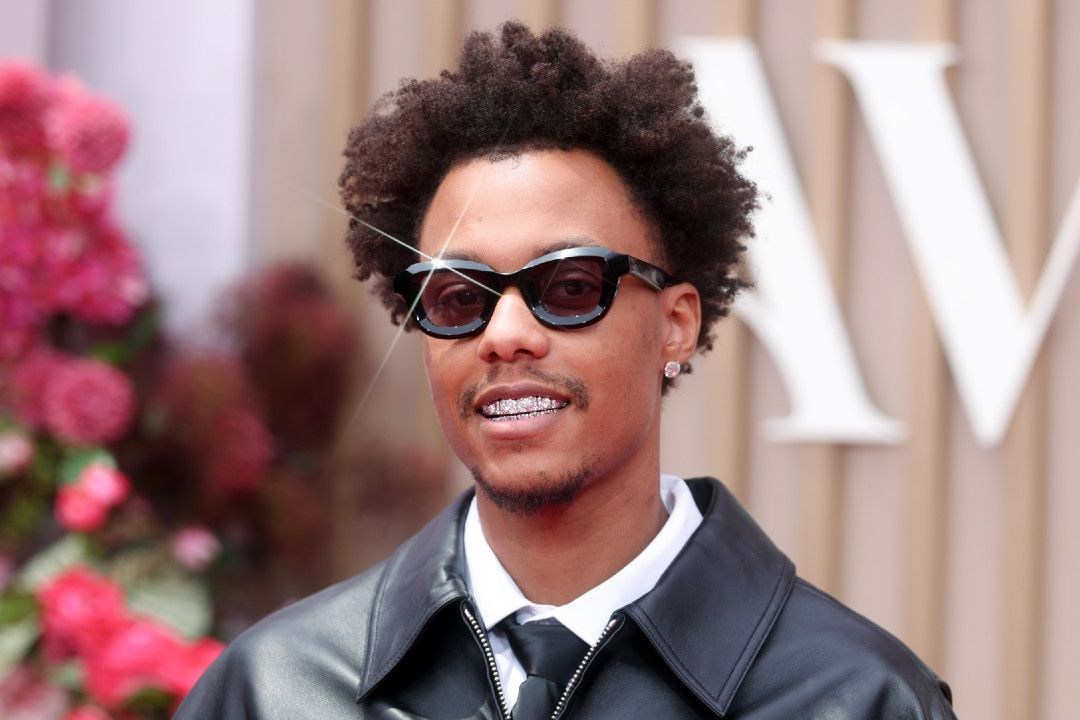
By Jasmine Reed, PowerVault Staff
It's a crisp night in Detroit, the kind where the air carries a certain rawness that can only be found in the heart of the city. Skilla Baby is on Instagram Live, his face lit by the glow of his phone. His voice is steady, but there's a weight behind the words as he tells the world how a hail of bullets changed the course of his life. The rapper, once known for his street-centric bars and gritty tales, is now declaring a clean break from that life. "I'm a civilian," he says. "They shot the gangsta out of me."
Skilla Baby, who was once celebrated as a XXL Freshman, is now embracing a different lifestyle after surviving a drive-by shooting on 8 Mile Road in Redford Township, Michigan, last year. The source for this story, XXL, details how the rapper was hit multiple times in a barrage that saw over 20 shots fired at his car, a level of violence that could have easily been fatal. A witness rushed him to the hospital, with wounds to his hand, head, and back, but Skilla wasn't about to let that stop him. Remarkably, just two days after literally fighting for his life, Skilla was back on stage, sling and cast in tow, performing at a 42 Dugg show. His return to the stage so soon after the attack was more than just a performance; it was a statement of resilience and defiance, a refusal to be silenced by the violence that tried to take him out.
In his Instagram Live session, Skilla Baby doesn't mince words. "I wanna be happy," he declares, distancing himself from the street life he once knew. It's a dramatic shift for the rapper who once took an unapologetic stance in his music, spitting bars that echoed the gritty realities of the streets. Now, he's talking about walking away from anything that might lead back to those streets, choosing instead to focus on positivity and self-control. Skilla's transformation is palpable, as he references God in his new path, a stark contrast to the rhymes that once glorified street hustle. This is more than a change in lifestyle; it's a reinvention of self, a deliberate decision to rewrite his narrative. The full video of his declaration is below, capturing the raw honesty of a man who has faced death and decided to live differently.
Last May was a turning point for Skilla. The shooting not only left physical scars but also etched a new mindset into his very being. As he tells it, the bullets didn't just graze his body; they dug deeper, carving out any lingering desire to live a street life. This is more than a brush with mortality; it was a wake-up call that demanded a new direction. The rapper's resilience was on full display at that 42 Dugg concert, where his performance of "Duck Yo Taco" became a statement of defiance and survival. For many of his fans, it was a moment that underscored the complex relationship between hip-hop, street credibility, and personal safety. It highlighted that while street credibility might sell records, it can also come at a cost too high to bear.
The man accused of pulling the trigger was arrested a month later, offering a rare piece of closure at a time when such acts of violence often go unsolved. This legal step forward allowed Skilla to solidify his civilian stance publicly, giving him the chance to distance himself from the chaos that once surrounded him. His decision to step back from the street game is a move not many in his position have the luxury or the will to make, especially given the pressures to maintain street cred. It's a shift that reflects a broader trend among artists who find themselves at crossroads between authenticity in their art and the harsh realities of street life. In Skilla's case, it's about choosing life over image, a choice that many might find hard to make.
Skilla Baby's evolution isn't an isolated incident in hip-hop. We've seen a similar path with artists like Ice-T and Snoop Dogg, who began with raw street narratives but evolved their messages as their careers matured and personal lives demanded change. In 1991, Ice-T's "OG Original Gangster" laid the groundwork for authenticity in rap, but by the mid-90s, he was exploring roles on television, showcasing a different side of himself that was more about longevity than momentary street cred. Similarly, Snoop, once infamous for gang affiliations, has since built an empire that prioritizes family and business over beefs, proving that evolution is not only possible but necessary. Skilla's journey is part of this larger history, where survival sometimes means rewriting your own story. It's about keeping it real with oneself and recognizing that authenticity doesn't have to come with a death wish.
When the streets get too real, even the hardest rhymes can turn into a new beat.
When the streets get too real, even the hardest rhymes can turn into a new beat.
For Skilla Baby, publicly declaring a departure from street life isn't just about personal change; it's a bold statement to his fans and the industry. It challenges the idea that authenticity in hip-hop must come from living a life full of risk and danger, a narrative that has been pushed for far too long. Instead, Skilla is redefining what it means to be real by embracing vulnerability and self-preservation, showing that there's strength in choosing a path of peace. In a culture that often glorifies toughness, his decision to step back is an act of courage, one that invites others to question what they value in their icons and in themselves. It opens up a conversation about what it truly means to be authentic in hip-hop, suggesting that maybe, just maybe, realness is about living to tell your story.
The industry, for its part, needs to take a long look in the mirror. Labels and promoters have long profited from the raw, often dangerous personas that rappers project, feeding into a cycle that glorifies violence and risk. But when one of those artists decides to step back for their own wellbeing, how does that affect the bottom line? Skilla's choice forces the conversation about whether the industry will support artists who prioritize peace over profit. His decision is a challenge to the status quo, questioning whether the powers that be are really about supporting artists or just cashing in on their struggles. His Instagram post, linked here, captures the raw emotion of this decision, resonating with many who see themselves in his struggle. It calls on the industry to rethink its role in perpetuating harmful narratives and to consider the real lives behind the music.
For the community that's followed Skilla Baby's music and story, his evolution represents a powerful narrative shift. It's a reminder that redefining success doesn't mean turning your back on where you come from, but rather, finding a way to honor it without being trapped by it. Hip-hop has always been about storytelling, capturing the essence of life in its rawest form, and Skilla's new chapter is an invitation for fans to embrace the full spectrum of human experience, beyond the confines of the streets. His journey is proof of the power of change and the importance of growth. His Instagram post shows a candid reflection that many can relate to, a story of survival and self-discovery that goes beyond the music, resonating with anyone who's ever had to fight for their own peace.
This is more than a story about one rapper changing his life; it's about the systemic issues that force many artists into these life-or-death situations to begin with. Skilla's shooting highlights the ongoing violence that plagues communities, a grim reality that many face daily, and how survival often requires handling an unforgiving environment where danger lurks around every corner. It's a reminder of the stakes involved in pursuing a career in hip-hop, where authenticity often comes with a price tag that includes personal safety. Connecting this to broader societal dynamics, the story calls attention to the need for change not just in the culture, but in the systems that keep it tied to a cycle of violence. It's a call to action for both the industry and society to address the root causes of this violence and create an environment where artists can thrive without fear.
Looking ahead, Skilla Baby's journey offers a blueprint for what meaningful change can look like in hip-hop. As he continues to make music, we should watch how his themes evolve and whether other artists will follow his lead. His choice to step away from the streets could inspire a new wave of rappers prioritizing life and legacy over street credibility. It's a call to action for the industry and fans alike: to support these artists in their pursuit of a life that allows them to thrive rather than just survive. Skilla's path might be a turning point, challenging us to rethink what it means to be a hero in hip-hop.



