Snoop Dogg's Canceled Costa Rica Show: What Went Wrong?
By Renee Fontaine, PowerVault Staff Imagine eagerly awaiting a night that promises to be legendary. The anticipation builds as fans envision Snoop Dogg's inaugural live performance in Costa Rica, an event that promise...
Advertisement
By Renee Fontaine, PowerVault Staff
Imagine eagerly awaiting a night that promises to be legendary. The anticipation builds as fans envision Snoop Dogg's inaugural live performance in Costa Rica, an event that promises to be a once-in-a-lifetime experience. The venue is buzzing with excitement, lights are meticulously set, and the energy is palpable. Tickets have been secured, and December 3rd has been circled in bold on calendars. But just as these dreams start to take form, they are abruptly shattered. An unforeseen scandal, akin to a storm on a cloudless day, descends with a force that derails the entire production. The excitement that filled the air is replaced with confusion and disappointment, leaving fans grasping for answers in the wake of this unexpected turn of events.
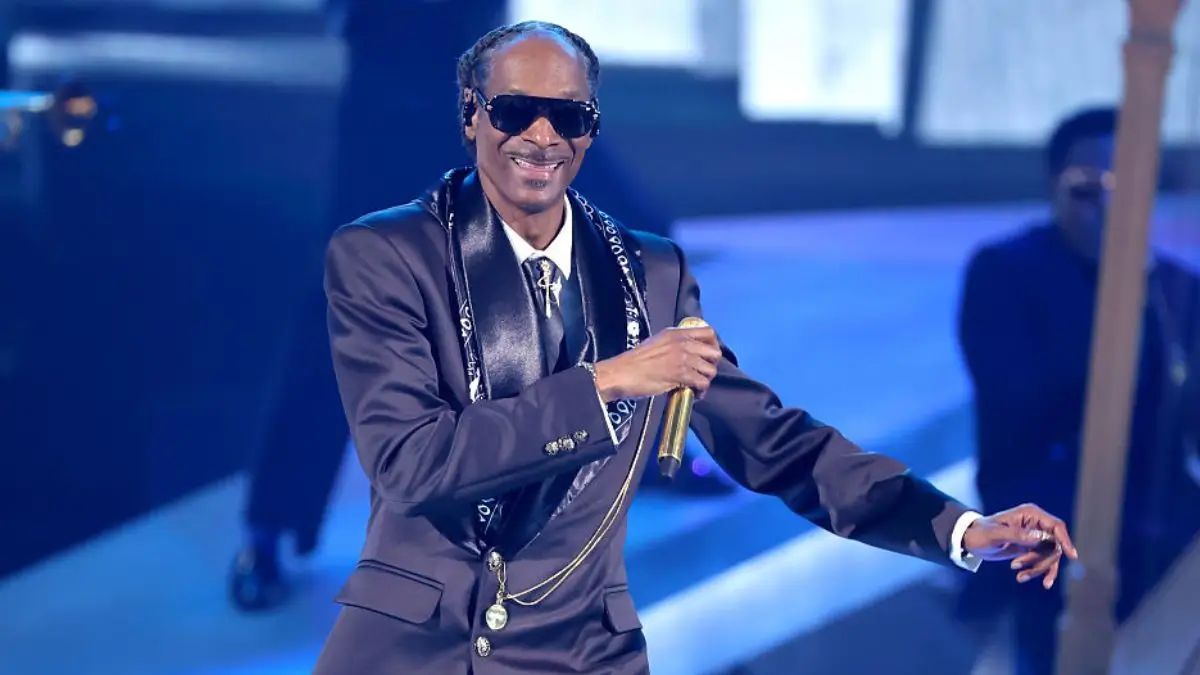
This wasn't some tabloid spectacle meant to grab cheap headlines. As detailed by The Tico Times, the cancellation of Snoop Dogg's eagerly awaited concert in Costa Rica unfolded against the backdrop of a serious investigation. Authorities are delving into an alleged drug ring that has become entangled with the concert's financial framework, casting a shadow over what was to be a historic event. The Long Beach rap legend, who has maintained a sterling reputation, found his performance axed not due to any missteps of his own, but as a consequence of the arrest of the concert promoter. The scandal is a stark reminder of the precarious nature of large-scale events, where even the slightest misalignment can lead to far-reaching consequences.
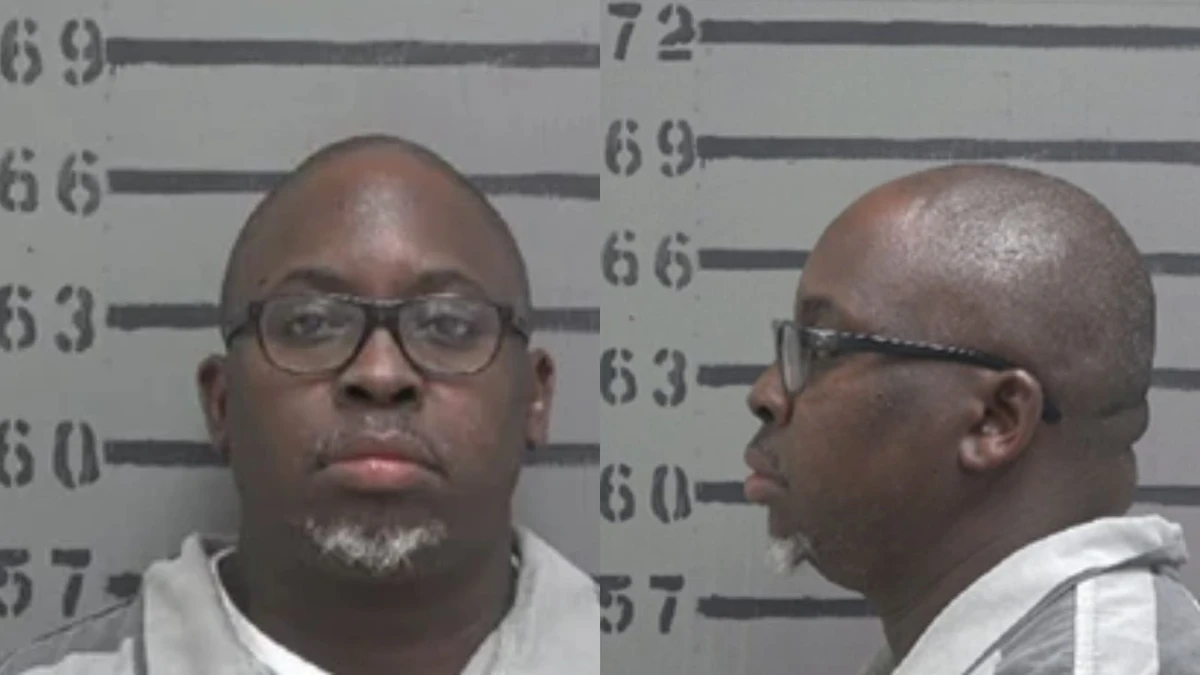
The promoter in question, Don Stockwell of Stockwell Entretenimiento, suddenly found himself in the midst of a legal maelstrom. On October 7th, in a sweeping operation, Stockwell was apprehended along with 17 others as authorities conducted coordinated raids across Costa Rica. This operation, known as the 'Exodus Case,' has been described by investigators as a major crackdown on illicit activities. The charges against Stockwell and his associates are severe, with investigators tracing an $859,000 money trail allegedly linked to a sophisticated drug trafficking network. The situation has garnered significant attention, with social media and news outlets buzzing with speculation and concern. As the investigation unfolds, the focus remains on unraveling the intricate connections between these financial dealings and the planned concert.
Despite the gravity of the situation, Stockwell was released the following day, and he remains adamant that the entire affair is a misunderstanding. His defense rests on a narrative that paints him as a man of integrity, who once turned away a potential investor because the individual arrived with a suitcase full of cash. This story, while intriguing, has done little to quell the skepticism surrounding him. Amidst the unfolding drama, there remains a conspicuous absence of formal charges against him. His attorney, Daniel Brenes, argues that Stockwell was completely unaware of any connections to Edwin Vargas García, also known as 'Sobrino,' a reputed drug kingpin who was detained earlier in the year. Brenes maintains that Stockwell's dealings were entirely above board, and that any perceived nefarious ties are coincidental.
Just days before the dramatic arrests, Stockwell was seen actively participating in discussions at Costa Rica's Legislative Assembly. He was accompanied by prominent figures from Snoop Dogg’s camp, including Quincy Jones III, as they laid the groundwork for the upcoming concert. Their discussions extended beyond mere entertainment, delving into plans for a documentary that would explore hip-hop's profound roots in Limón, Costa Rica's vibrant Caribbean province. This region is rich in cultural history and significance, offering a unique backdrop for the narrative they intended to weave. The abrupt disruption of these plans has left not only the fans, but also the creative team, grappling with the unexpected turn of events. The disappointment is palpable, as a promising collaboration aimed at celebrating cultural heritage is put on indefinite hold.
This disruption is not merely a minor setback in event planning; it is indicative of a broader, troubling pattern within the music industry. The industry has often found itself ensnared in financial scandals that reveal the murky intersections of money and creative endeavors. From the financial mismanagement that plagued Coachella in 2012 to the notorious Payola scandal of 2004, history is replete with cautionary tales of the industry's vulnerabilities. These incidents serve as stark reminders that due diligence is not just a procedural formality but a critical safeguard against the shadows that lurk at the edges of the music world. The echoes of past scandals reverberate through time, underscoring the lessons that must be heeded to protect the integrity of artistic ventures.
But the real question here isn't just about what happened; it's about who loses out.
When money and music mix, the industry often finds itself tangled in a web of shadows.
For the fans, the cancellation isn't simply a matter of disappointment; it's a profound breach of trust. They had invested not just money, but also time and emotional energy, into an event that held significant cultural weight. The promise of witnessing a legendary artist perform in a historic moment was a beacon of excitement. Yet, at a time when ticket sales are often deemed final and refunds can be drawn out over painfully long periods, fans are left feeling vulnerable and disillusioned. Such events show the fragility of our entertainment experiences, where moments of joy can be so easily disrupted. The reality is that for many concert-goers, the anticipation of an event is intertwined with personal significance, and its abrupt cancellation leaves a void that mere monetary compensation cannot fill.
From the perspective of the industry, the implications of such financial entanglements are both profound and far-reaching. Promoters, artists, and production teams handle a complex scene where financial backing is crucial yet fraught with potential pitfalls. The responsibility lies heavily on these industry players to ensure that their partnerships and operations are conducted with transparency and integrity. The stakes are undeniably high; a single scandal has the power to tarnish reputations, derail promising careers, and cast a long shadow over future projects. The aftermath of such incidents not only affects those directly involved but also sends ripples throughout the industry. It serves as a sobering reminder of the vigilance required to maintain trust and credibility in a field where the allure of quick financial gain can sometimes overshadow ethical considerations.
Stockwell's predicament explains a pervasive systemic issue: the infiltration of organized crime into legitimate business ventures. This is not a challenge unique to Costa Rica or this singular concert; it's a global concern that affects industries worldwide. When illicit activities such as money laundering seep into legitimate businesses, they erode public trust and cast doubt on the integrity of honest enterprises. The situation shows the critical need for stringent regulations and robust enforcement mechanisms to safeguard against such infiltration. It calls for a concerted effort from both government bodies and industry leaders to establish and uphold standards that protect the sanctity of legitimate business operations. The consequences of failing to address these issues are far-reaching, threatening the very foundations of economic and cultural ecosystems.
Advertisement
At the core of this narrative lies a deeper story about race and opportunity within the music industry. As hip-hop continues to ascend as a dominant cultural force, it carries the dual weight of historical legacy and contemporary challenges. The genre's growth represents both a monumental achievement and a stark reminder of the ongoing battles against exploitation and the stereotypical pitfalls associated with fame and fortune. This incident serves as a candid reflection of the industry's continuous struggle to maintain its integrity amidst these pressures. It highlights the need for vigilance in ensuring that the paths forged by trailblazing artists are not mired in the same exploitative practices that have historically plagued the industry. The journey toward equitable opportunity in the music world is ongoing, marked by both triumphs and trials.
As the dust begins to settle, fans are left grappling with uncertainty about what the future holds. Will there be a rescheduled date for the concert that was so eagerly anticipated? What steps will be taken to prevent a recurrence of such a debacle? These questions linger in the air, unanswered but pressing. Until clarity is provided, the hip-hop community remains vigilant, understanding that this situation transcends the cancellation of a single show. It is about preserving the integrity of a culture that has been a beacon of expression and empowerment. The abrupt loss of what was meant to be a night of celebration serves as a poignant reminder of the cultural history at stake. For the fans, artists, and industry alike, the pursuit of answers and accountability is paramount.