
Styles P on Hip-Hop's Identity Crisis: The Impact of Corporate Influence
By DeShawn Price, PowerVault Staff Styles P, a cornerstone of The LOX, has raised concerns about Hip-Hop losing its way. In an interview with TmrO Network, Styles P argued that corporate interests are diluting the ess...
Advertisement

By DeShawn Price, PowerVault Staff
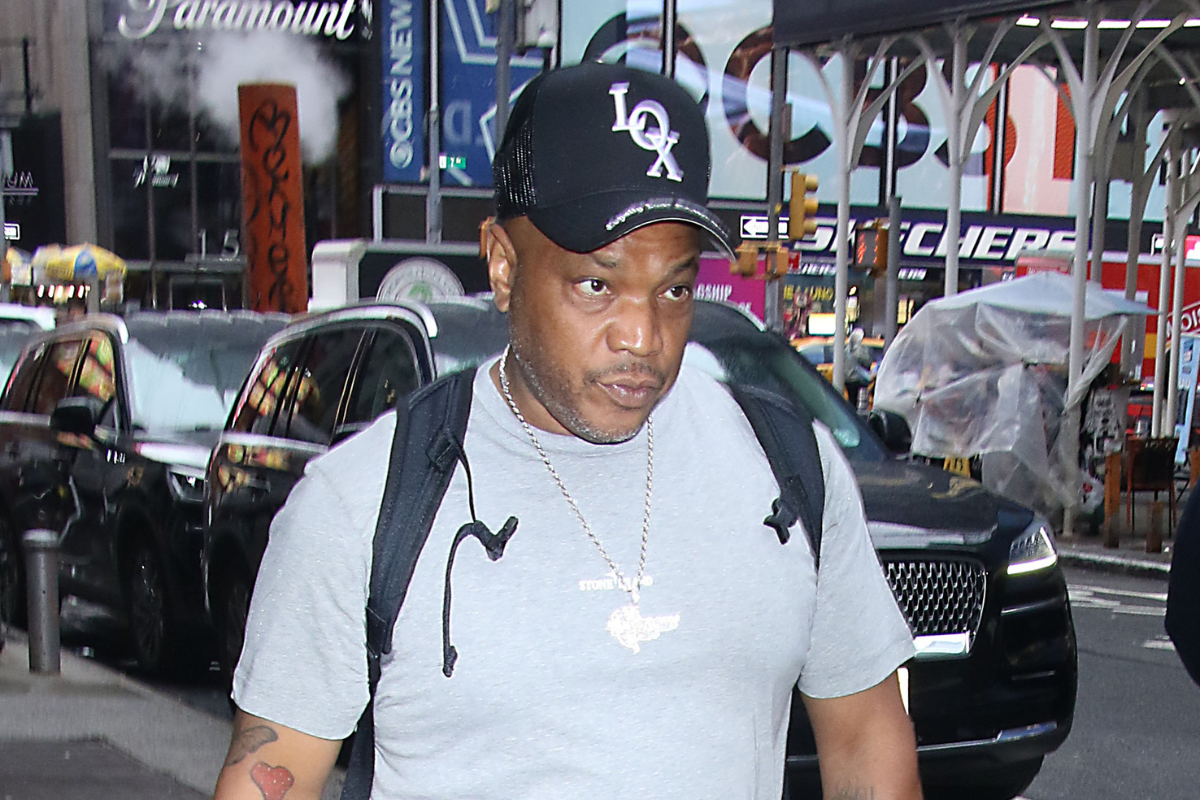
Styles P, a cornerstone of The LOX, has raised concerns about Hip-Hop losing its way. In an interview with TmrO Network, Styles P argued that corporate interests are diluting the essence of a genre born from struggle. He sees the roots of Hip-Hop as a creative outlet for the oppressed and disconnected, not a commercial machine. The genre, according to Styles, was a lifeline for those handling the harsh realities of urban life, offering a platform for expression and empowerment. It was never meant to be a cash cow for those outside the culture. Styles P’s words resonate deeply, as he believes the commercial takeover has not only silenced authentic voices but also distorted the narrative of Hip-Hop’s true purpose and origins.
During his conversation on TmrO Network, Styles P outlined his case against the pervasive corporate influence in Hip-Hop. He traced the origins of the genre back to a time when it served as the voice of the voiceless, a way for marginalized communities to tell their stories. But now, he argues, the influx of media and big money has pulled Hip-Hop away from its original purpose. Styles sees this shift as a betrayal of the genre's roots, where stories of resilience and survival were once celebrated. The corporate agenda, he contends, has sanitized these narratives, replacing them with a focus on profit over authenticity. This shift not only impacts the music but also the communities that birthed Hip-Hop, leaving them without the representation they desperately need.
“It’s taken away from Hip-Hop as a genre invented for people who don’t know their history, for people who didn’t know their language, for people who didn’t know their ancestors’ actual names,” Styles P said. His perspective comes from a place of experience, having been shaped by the raw storytelling of 'The Message' and the cultural impact of iconic films like 'Beat Street.' He felt the pull of Hip-Hop from a young age, drawn in by the words that painted vivid pictures of familiar surroundings. This connection ran deep, as the music reflected his environment and experiences, making it a powerful tool for self-expression. Styles' insights remind us of the genre's origins as a beacon of hope and identity for those often overlooked by mainstream narratives.
In the video, Styles P recounts how basement ciphers in Yonkers, where he first snuck in to spit verses, helped form his foundation in Hip-Hop. He speaks of mentors like Dusty Mike, who showed him the power of words and set a high standard for lyrical prowess. These formative experiences in environments untouched by the corporate hand taught him the value of authenticity. Those ciphers were sacred spaces where creativity thrived, untainted by commercial interests. It was in these raw settings that Styles honed his craft, learning to wield words with precision and passion. This grounding in authenticity is what he believes is missing today, as the industry prioritizes marketability over genuine artistic expression, compromising the culture's richness and depth.
Styles P's journey from basement parties to Hip-Hop stardom was not solitary. He credits his collaboration with Jadakiss and Sheek Louch for pushing him to elevate his craft. They were writing songs and hooks while most were still freestyle battling, highlighting the meticulous work that underpins true artistry. This dedication is what Styles sees as missing in today’s mainstream, where quick hits often overshadow deep craftsmanship. The synergy between The LOX members was crucial, as they pushed each other to reach new heights creatively. This camaraderie fostered a level of artistry that went beyond surface-level rhymes, focusing on storytelling and lyrical depth. Styles' reflection on his journey shows the importance of collaboration and commitment in preserving the integrity of Hip-Hop.
The struggle Styles P talks about isn't new. Hip-Hop has seen this battle before. Back in the '90s, the rise of gangsta rap faced similar scrutiny for shifting the focus from socio-political commentary to tales of street life. Fast forward to the 2000s, when ringtone rap commodified the genre. Each era had its own tug-of-war between art and commerce, but the stakes seem higher now with streaming and social media dictating trends. The digital scene has amplified the tension, as algorithms prioritize virality over substance. This shift poses a threat to the genre’s roots, as the industry’s focus on quick returns undermines the depth and diversity that once defined Hip-Hop. The challenge now is to handle these changes without sacrificing the culture's foundational values and messages.
The real threat to Hip-Hop isn't just the changing sound; it's how corporate control stifles the raw, authentic voices that built the genre.
The real threat to Hip-Hop isn't just the changing sound; it's how corporate control stifles the raw, authentic voices that built the genre.
As Styles P critiques the current state of Hip-Hop, his words hit at the heart of an ongoing debate: What happens when money speaks louder than the message? For artists, this can mean compromising their vision to fit into a marketable mold. This is more than about Hip-Hop losing its soul; it's about the cultural erasure of the stories and struggles that gave rise to the music in the first place. The pressure to conform to commercial standards can stifle creativity and authenticity, leaving artists torn between staying true to themselves and achieving success. This dilemma highlights the broader issue of cultural appropriation, where the essence of Hip-Hop is watered down for mass consumption, stripping it of its revolutionary potential and transformative power.
For the industry, this shift signifies a troubling trend. The majors have long played puppet master, but the digital age has made their grip even tighter. With algorithms and playlists shaping what breaks through, the decision-making power is increasingly in the hands of a few. This narrows the spectrum of voices that get heard, leaving less room for the kind of revolutionary messages that were Hip-Hop's birthright. The industry's gatekeepers prioritize profit over diversity, sidelining artists who challenge the status quo. This centralization of control not only limits the genre's evolution but also risks homogenizing its sound, erasing the rich mix of perspectives that Hip-Hop was built upon. The challenge is to resist this trend and champion the voices that keep the culture vibrant and dynamic.
The Hip-Hop community feels this shift acutely. For fans who grew up on the genre, the corporatization is a betrayal of its foundational ethos. Communities see their lived experiences reduced to marketable stereotypes, with little regard for the cultural depth beneath the surface. This is more than a business model shift; it's a cultural affront that calls into question the industry's responsibility to the communities it profits from. As Hip-Hop becomes increasingly commercialized, there is a growing disconnect between the music and its roots. Fans and artists alike lament the loss of authenticity, urging the industry to honor the genre's origins and respect the voices that make it unique. This tension shows the urgent need for a return to Hip-Hop's core values, where storytelling and social consciousness reign supreme.
Advertisement
At the core of Styles P's message is a warning about the broader dynamics at play: race, class, and power intersect to shape who gets a seat at the table. The commodification of Hip-Hop mirrors larger societal issues where Black culture is consumed but not respected or properly credited. The genre that once served as a rallying cry for the disenfranchised is at risk of becoming a sanitized product for mainstream consumption. This commodification reflects systemic inequalities, where the contributions of Black artists are exploited for profit without acknowledging their cultural significance. Styles P's critique challenges us to confront these power imbalances and advocate for a more equitable industry that honors the roots of Hip-Hop. By doing so, we can ensure that the genre remains a powerful force for change and empowerment.
Looking forward, the question remains: How do we reclaim Hip-Hop's narrative? For Styles P and many others, the answer lies in returning to the roots, prioritizing authentic expression over commercial appeal. As fans and artists, the challenge is to support voices that challenge the status quo, ensuring that Hip-Hop remains a powerful tool for storytelling and social change. The stakes are high, but so is the potential for Hip-Hop to redefine itself once again. By championing artists who push boundaries and amplify marginalized voices, the community can reclaim control over its identity and direction. This return to authenticity not only preserves the genre's legacy but also paves the way for future generations to continue using Hip-Hop as a vehicle for empowerment and transformation.
