Tom Hardy Raps with Method Man in New Video — Is Hollywood Trying to Steal Hip Hop's Soul?
By Marcus Ellison, PowerVault Staff The scene opens with Tom Hardy, a man known for his intense roles and chiseled jawline, stepping into the realm of hip hop like he’s been here all along. A gritty, colorful world un...
Advertisement

By Marcus Ellison, PowerVault Staff
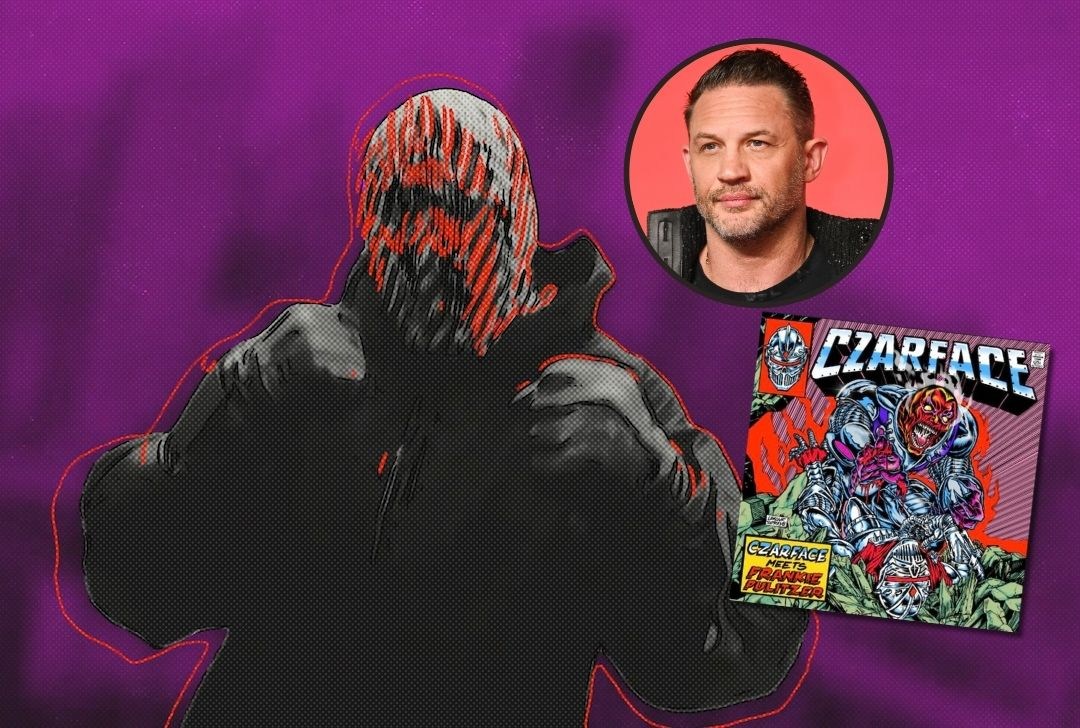
The scene opens with Tom Hardy, a man known for his intense roles and chiseled jawline, stepping into the realm of hip hop like he’s been here all along. A gritty, colorful world unfolds as he trades in his superhero cape for a mic, embodying a surprisingly fluid flow alongside Method Man. The titular video from Czarface's upcoming project features Hardy spitting bars with a confidence that would give seasoned MCs a run for their money. It feels almost surreal to see Bane, of all characters, trading punches with the rap game.
This unexpected crossover raises more than a few eyebrows. At first, it may seem like a simple artistic collaboration, but it goes deeper. Hardy's involvement isn’t just a quirky headline; it’s a reflection of how Hollywood continues to flirt with rap culture, often without fully understanding its roots and significance. Hip hop has always been a voice for the marginalized, a culture that emerged from the depths of struggle and resilience. When a high-profile actor jumps in, it can feel like an appropriation of those struggles for commercial gain. Do we applaud the effort, or is it a classic case of Hollywood trying to capitalize on what they don't own?
The video itself, produced by Czarface,a group known for its unique blend of comic book aesthetics and rap,captures the essence of hip hop’s storytelling tradition. Hardy recites verses that resonate with themes of mental struggle, perseverance, and street wisdom. Method Man, a heavyweight in the game, complements him with lines steeped in authenticity. The chemistry between the two artists begs the question: can Hollywood and hip hop coexist without diluting the latter's message?
Hardy isn’t the first actor to dip their toes in the rap waters. Think back to the early 2000s when Will Smith effortlessly transitioned from sitcom star to hip hop icon, or even more recently when someone like Jaden Smith releases music that resonates with a younger generation. Each foray has its own narrative, but they all share the underlying tension between authenticity and performance. In a way, Hardy’s entry into the scene is another chapter in a long-running story about who gets to claim hip hop as their own.
Over the years, numerous celebrities have attempted to step into the rap arena, often to mixed reactions. Some fans celebrate the talent; others consider it a blatant appropriation. This tension reflects a broader societal issue,who controls hip hop? Is it the artists who lived its struggles or the industry giants who can cut checks? As Hardy delivers his lines, one can't help but wonder if he’s paying homage or simply riding a wave that’s not meant for him.
Moreover, the racial dynamics play a critical role in how these narratives unfold. Hip hop has been a cultural export that often gets packaged and sold back to the very communities that birthed it. When white artists enter the mix, it can muddy the waters. There’s a historical precedent here that can’t be ignored. The genre’s roots are in Black culture, and every time a non-Black artist steps up, it’s a reminder of how the industry can commodify cultural expressions while sidelining the voices that created them.
The irony is that while Hardy’s video might seem like a light-hearted collaboration, it’s symptomatic of a larger issue. Hollywood uses hip hop as a backdrop for its narratives, often without engaging with the realities that inform the music. The culture has been used as a prop in countless films and shows, with artists being cast in roles that highlight stereotypes rather than depth. When rappers are invited to collaborate, it can feel disingenuous, as if their voices are being harnessed for a purpose that doesn’t represent them.
Yet, there’s also a subtle shift happening. More artists are beginning to take control of their narratives, creating platforms that reflect their experiences authentically. The increasing visibility of independent labels and artists embracing their own business models is a step toward reclaiming hip hop's narrative from a system that has historically exploited it. In this light, Hardy’s video could be seen as an opportunity: a chance for a dialogue about authenticity versus performance in a medium that should prioritize realness.
Advertisement
As fans consume Hardy’s new venture, they should think critically about what they’re witnessing. Is it simply another celebrity trying to capture the essence of something they don’t fully understand? Or could it ignite a more profound conversation about representation, authenticity, and the future of hip hop? With artists like Czarface at the forefront, bridging gaps between genres is possible, but it requires a deeper commitment to understanding the culture's roots.
Looking ahead, the question remains: How will the industry respond to this blending of worlds? Will Hollywood continue to seek out stars from the hip hop community, or will they finally engage with the culture in a more meaningful way? What does this mean for the next generation of artists trying to carve out their space in an industry that often feels stacked against them? As the lines between hip hop and Hollywood blur, the challenge lies in ensuring that the essence of the culture is preserved. It’s a call to action not just for artists, but for consumers and fans to demand authenticity and respect for the art form. Tom Hardy might be spitting bars now, but the true narrative lies with those who have lived the experience long before he ever picked up a mic.