Tommy Tuberville's National Guard Proposal: Montgomery's Response
By Renee Fontaine, PowerVault Staff Governor-elect Tommy Tuberville, a former college football coach turned political figure, certainly knows how to make a headline. During his victory speech in Auburn, he made a bold...
Advertisement

By Renee Fontaine, PowerVault Staff
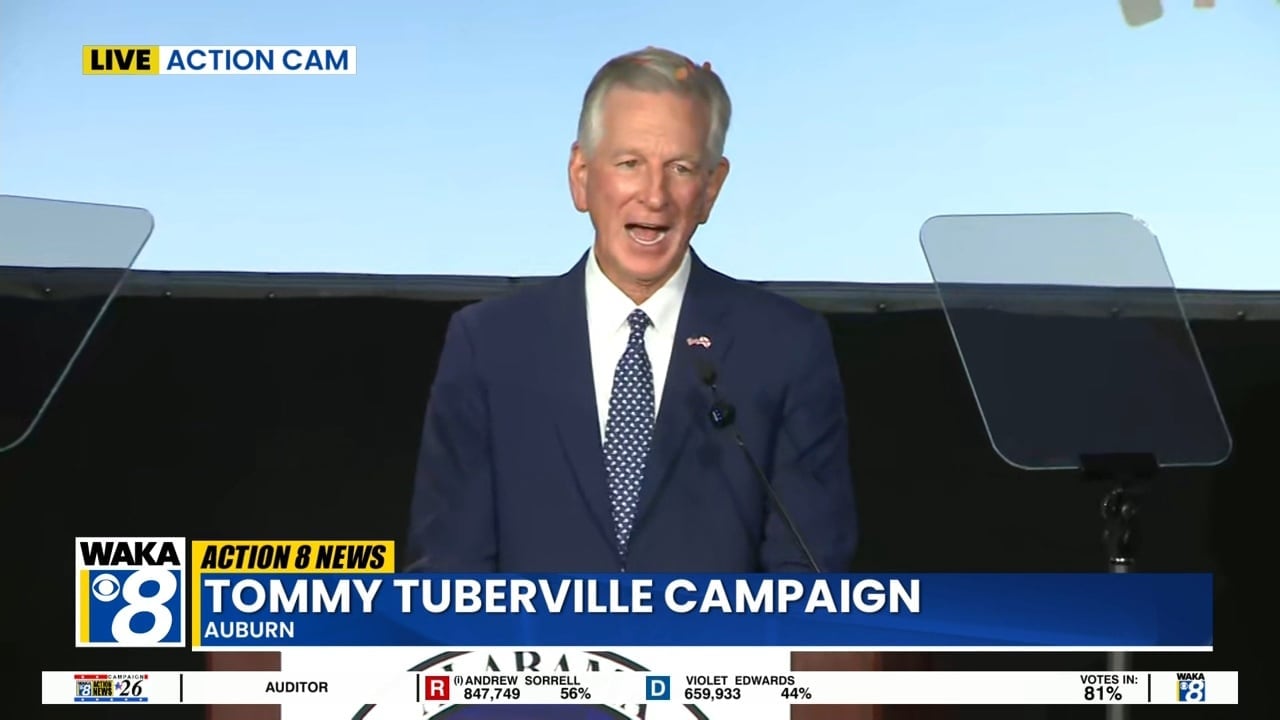
Governor-elect Tommy Tuberville, a former college football coach turned political figure, certainly knows how to make a headline. During his victory speech in Auburn, he made a bold and dramatic proposal that has rattled Alabama and beyond. Tuberville suggested deploying the National Guard to address crime in Montgomery, igniting both applause from his supporters and a flurry of controversy from critics. His comments have not only stirred the local community but also sparked a broader conversation about the role of military forces in policing domestic streets. This proposal has positioned Tuberville at the center of a heated debate, raising questions about its implications for governance, public safety, and community relations in Montgomery, a city with a rich history and a vibrant, predominantly Black population.
Standing before a crowd of enthusiastic supporters in Auburn, Tuberville didn't hold back as he painted a vivid picture of his vision for a safer Montgomery. He vowed to tackle crime head-on, even if it meant placing National Guard troops on every corner of the city. His words, covered extensively by WAKA, were met with cheers from those eager for change but have also drawn skepticism from others who question the practicality and implications of such a move. In the wake of Tuberville's speech, Montgomery Mayor Steven Reed has raised concerns about the underlying data supporting this initiative. Reed is pressing for clarity on how deploying military forces would effectively address the specific crime issues facing Montgomery and whether it could undermine the progress already being made by local law enforcement.
In a carefully crafted statement to Action 8 News, Mayor Steven Reed sought to emphasize the strides already made by the Montgomery Police Department in enhancing public safety. "Keeping Montgomery safe is my top priority," Reed declared, underscoring his administration's commitment to community-led strategies and acknowledging the hard work of the city's police force. Reed pointed to recent data showing a decline in crime rates as evidence of the MPD's effectiveness. He urged that any new proposals, including those from Governor-elect Tuberville, should be grounded in a comprehensive understanding of existing initiatives and their success. Reed's response highlights a crucial consideration: the need for new policies to complement, not overshadow, the ongoing efforts and achievements in crime reduction.
The speech that has become the focal point of this heated debate was captured on video and is now widely circulated across media platforms. This clip, which has sparked intense discussion and divided opinions, is readily available for viewing below. Tuberville's remarks have transcended local boundaries, sparking conversations that get into broader themes of governance, public safety, and the militarization of policing. For those interested in dissecting every word and gesture from the governor-elect, the video serves as a critical artifact in understanding the full context and nuances of his proposal. It is proof of the power of media in shaping public discourse and amplifying key moments in political life.
Mayor Reed's comprehensive response highlights the intricate challenges of considering military intervention in local crime issues. He is pushing for transparency, calling on Tuberville to provide detailed crime statistics and clarify which specific offenses he aims to target with the National Guard's presence. Reed stresses the importance of distinguishing any potential benefits of such a deployment from the ongoing efforts of the Montgomery Police Department. His concern is rooted in ensuring that any new strategies do not undermine the hard-won trust and progress achieved by local law enforcement. Reed's stance calls for a data-driven approach that respects the community's needs and builds on existing successes rather than imposing external solutions that may not align with Montgomery's unique dynamics.
For a deeper dive into Mayor Reed's perspective, the full video of his response is available below. This footage provides an unfiltered glimpse into Reed's thought process as he navigates the complexities of Tuberville's proposal. In his address, Reed articulates his concerns and outlines the criteria for any potential collaboration with state-level initiatives. The video is a window into the mayor's commitment to safeguarding Montgomery's interests while advocating for sensible, community-focused solutions. It serves not only as a rebuttal to Tuberville's plan but also as a call to action for stakeholders to engage in meaningful dialogue and develop strategies that truly meet the needs of Montgomery's residents.
This isn't the first time we've seen calls for military intervention in domestic crime issues. Back in the 1960s, federal troops were deployed in response to civil rights protests and unrest in cities like Detroit and Newark. While those interventions were short-lived, they left a lasting impact on public perception and community relations.
Tuberville's proposal echoes a history of policing strategies that prioritize optics over effective solutions.
Tuberville's proposal to deploy the National Guard in Montgomery brings to mind a long history of policing strategies where appearances sometimes take precedence over substantive change. Historically, the introduction of military forces into civil matters has often led to heightened tensions rather than enhanced safety, particularly in communities of color. The presence of troops can evoke memories of past conflicts and struggles, creating an atmosphere of distrust and fear rather than security and peace. This approach can sideline the real, underlying issues at play, such as systemic inequalities and lack of resources, which require thoughtful, community-driven solutions. By emphasizing militarized responses, there's a risk of repeating past mistakes and missing opportunities for genuine, lasting improvements in public safety.
For Tuberville, this bold proposal may seem like a decisive move to tackle crime head-on, but it raises critical questions about its true intent and effectiveness. While it might resonate with constituents who prioritize law and order, it's essential to assess whether this is more of a political gesture than a viable solution. Tuberville's emphasis on security might appeal to those advocating for stricter measures, but it risks undermining the essential trust and cooperation needed between the community and law enforcement. Genuine progress in crime reduction relies on collaboration, understanding, and mutual respect, all of which could be jeopardized by a heavy-handed, militarized approach that doesn't address the root causes of crime.
In the broader context of American politics, Tuberville's stance is reflective of an ongoing national debate surrounding policing and public safety. This conversation has come to the forefront following high-profile incidents of police violence and systemic injustice, sparking protests from the streets of Minneapolis to the halls of Congress in Washington, D.C. Tuberville's proposal taps into these broader discussions, highlighting the tensions between calls for reform and demands for increased security measures. It shows the importance of balancing public safety with civil liberties and ensuring that policies are not only effective but also equitable and just. As this debate evolves, it continues to shape the world of governance and community relations across the country.
The intersection of race, class, and governance is crucial in understanding the implications of Tuberville's proposal. Deploying the National Guard in a predominantly Black city like Montgomery could exacerbate existing systemic inequalities and reinforce narratives of mistrust between marginalized communities and government authorities. Such actions often reflect deeper societal issues, where military solutions are offered in place of meaningful, community-driven initiatives. Instead of addressing root causes like poverty and lack of opportunity, a militarized response risks further alienating those it aims to protect. The challenge lies in crafting policies that empower communities, build trust, and foster sustainable solutions that resonate with the lived experiences of residents.
Advertisement
As Tuberville prepares to assume office, his administration faces the critical task of addressing these complex issues in a way that ensures lasting improvements for Montgomery. The unfolding dialogue between Tuberville and Mayor Reed represents a potential clash of governance styles, balancing ambitious political promises with the realities and needs of the community. All eyes are on how Tuberville will handle this terrain, with the hope that his vision for Montgomery will genuinely reflect and uplift the voices of its residents. The coming months will be telling, as stakeholders and citizens alike seek clarity and direction in the pursuit of a safer, more equitable city.
More from PowerVault Network: