Tracy Morgan's Bronny James Diss: What It Reveals About NBA Expectations
By Marcus Ellison, PowerVault Staff Tracy Morgan took aim at Bronny James during the New York Knicks' championship celebration, delivering a stinging remark that left many fans and commentators buzzing. On the NBC Spo...
Advertisement

By Marcus Ellison, PowerVault Staff
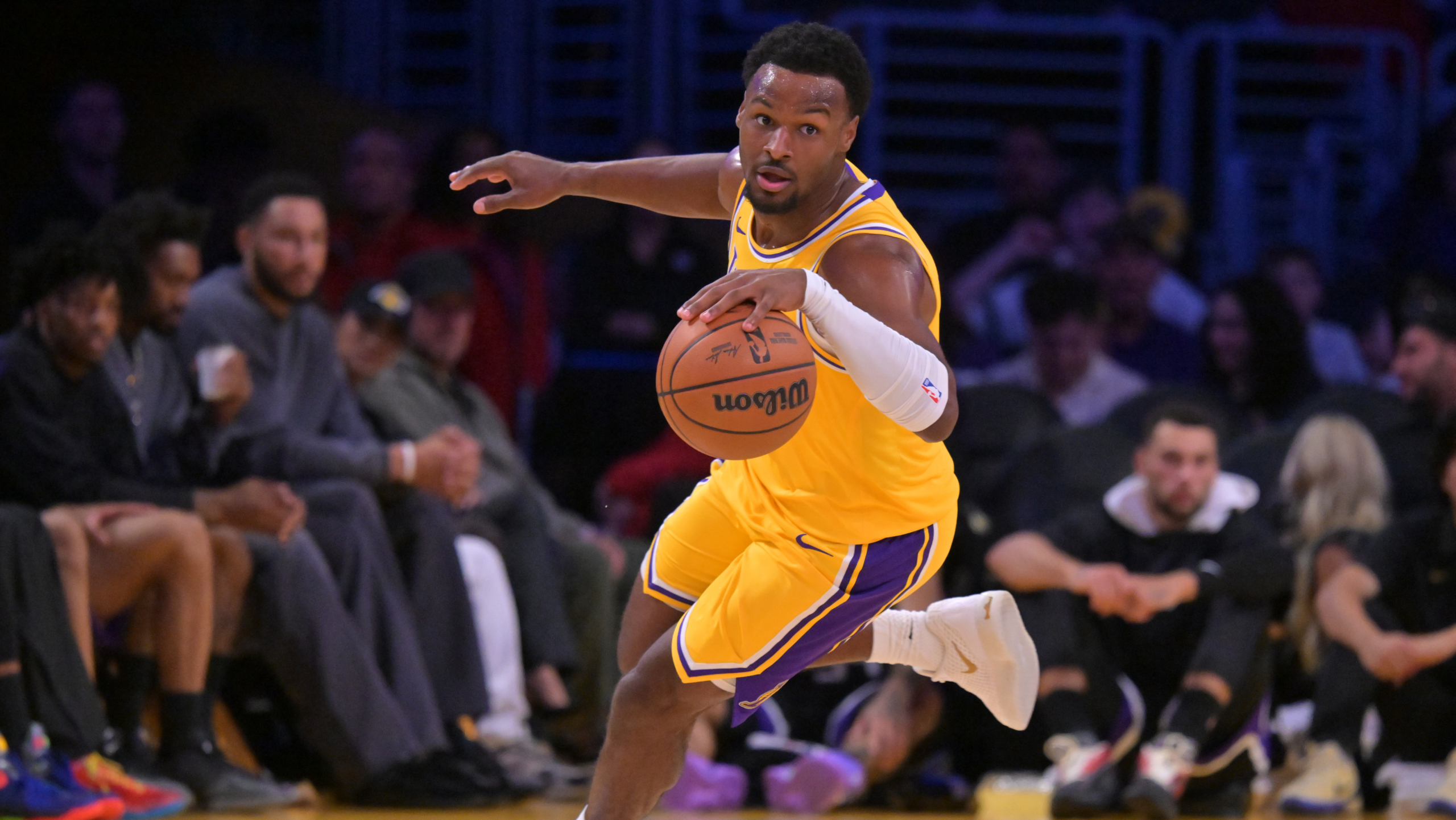
Tracy Morgan took aim at Bronny James during the New York Knicks' championship celebration, delivering a stinging remark that left many fans and commentators buzzing. On the NBC Sports pregame set, Morgan declared, "Bronny look like he got JUCO ball written all over him," a comment that landed right in the middle of the Knicks' ring night festivities. With the Knicks basking in the afterglow of their first championship since 1973, Morgan's words cut through the celebratory air, injecting a moment of controversy into what was otherwise a night of pure triumph. His comment was more than just a punchline; it was a reminder of the intense scrutiny Bronny faces as he attempts to make his mark in a league where expectations are often as heavy as the trophies handed out that night.
Morgan's quip about the young Lakers guard wasn't just a lighthearted jab. It came on a night when the Knicks were basking in the glow of their first championship since 1973. The stage was set with NBA legends Carmelo Anthony, Vince Carter, and Tracy McGrady sharing the moment. But it was Morgan's unexpected comment that stole the spotlight, showing once again that no one is immune to the scrutiny that comes with basketball's brightest lights, especially when your father is LeBron James. In a room filled with legends and luminaries, Morgan's words rang out like a rogue note in an otherwise harmonious symphony, highlighting the unique pressures that come with carrying a famous last name in professional sports. For Bronny, the jab wasn't just a dig at his skills; it was a reflection of the broader narrative surrounding his career, one in which his lineage often overshadows his individual potential.
Bronny's journey to the NBA was far from smooth, marked by a second-round pick and a serious health scare in college. Yet, with a four-year, $7.9 million guaranteed contract, the Lakers invested in him. Despite limited playtime and a struggle to find his footing in a stacked roster, the narrative around him has often been more about his famous lineage than his own progress. The clip that set everything off is below. His early career has been a trial by fire, with every misstep scrutinized under the lens of his father's legacy. The Lakers' decision to invest in Bronny was not merely about his potential on the court but also a bet on his ability to handle the complexities of being a James in the NBA. As he tries to establish himself, the weight of expectations remains a constant companion, one that he must learn to manage as he seeks to prove his worth beyond his surname.
The public reaction to Morgan's words was swift and divided. Some viewers agreed with the comedian, suggesting his comment simply verbalized what others were thinking. Others argued it was an unnecessary cheap shot at a young player still carving out his own identity in the league. The scrutiny Bronny faces might be part and parcel of being LeBron's son, but it feels heavier, more unrelenting, and sometimes unfairly harsh for someone still early in their career. At a time when social media amplifies every opinion, the divide between supporters and critics becomes even more pronounced, leaving Bronny to handle a scene of polarized perceptions. This kind of scrutiny can be a blessing and a curse, pushing an athlete to excel while also threatening to undermine their confidence and growth. For Bronny, the journey involves balancing the noise of the outside world with his own internal drive, a challenge that many young athletes in his position have struggled to overcome.
Bronny's potential remains a topic of constant debate. For every critique about nepotism or skill level, there are reminders of the hurdles he's already overcome. His cardiac scare in college was a serious moment, one that could have ended his career before it truly began. Yet, Bronny continues to press on, taking any opportunity the Lakers grant him. But how does one young player’s journey fit into the broader pattern of expectation in basketball? The video below dives deeper. Bronny's story is emblematic of the kind of resilience that defines many athletes who face early-life challenges. His determination to keep pushing forward, despite the shadow of his father's achievements and the sometimes overwhelming public scrutiny, speaks to a deeper narrative of perseverance. As he navigates the ups and downs of professional sports, Bronny's journey highlights the thin line between potential and expectation, a space where many promising careers have faltered under pressure.
History shows there's a longstanding tradition of athletes who bear the weight of their family's legacy, particularly within the NBA. From Stephen Curry overcoming speculation about living up to his father's career to Ken Griffey Jr. In baseball, the lineage of sports dynasties comes with its own unique set of pressures. Yet, it's different for Black athletes in a predominantly white sports industry. The expectations are not just about performance but often about proving their worth in spaces historically dominated by others. This echoes the discussions in our recent piece on the NBA and Black Fathers. For Black athletes, the journey is often about more than just living up to a family name; it's about challenging stereotypes and breaking barriers in environments that can be both unwelcoming and unforgiving. The weight they carry is not just personal but cultural, proof of the ongoing struggle for representation and equality in sports.
Tracy Morgan's words highlight the constant critique young Black athletes face, often under the weight of familial legacy.
Tracy Morgan's words highlight the constant critique young Black athletes face, often under the weight of familial legacy.
For Bronny, the conversation isn't just about proving skeptics wrong but about carving out his own space in a league that constantly measures him against his father's towering shadow. It's about showcasing his talent on its own merit, something that has been historically challenging for young Black players. As a second-round pick, his road is tougher, requiring him to earn every minute on the court. This journey is as much about personal growth as it is about professional success, where each game becomes an opportunity to redefine public perception. Bronny's challenge lies in striking a balance between honoring his father's legacy and forging his own path, a task made more complicated by the public's fixation on comparisons. In a league where opportunities can be fleeting, his ability to seize the moment and demonstrate his unique capabilities will be crucial in establishing his own legacy, one that stands independent and proud, yet still acknowledges the lineage from which it came.
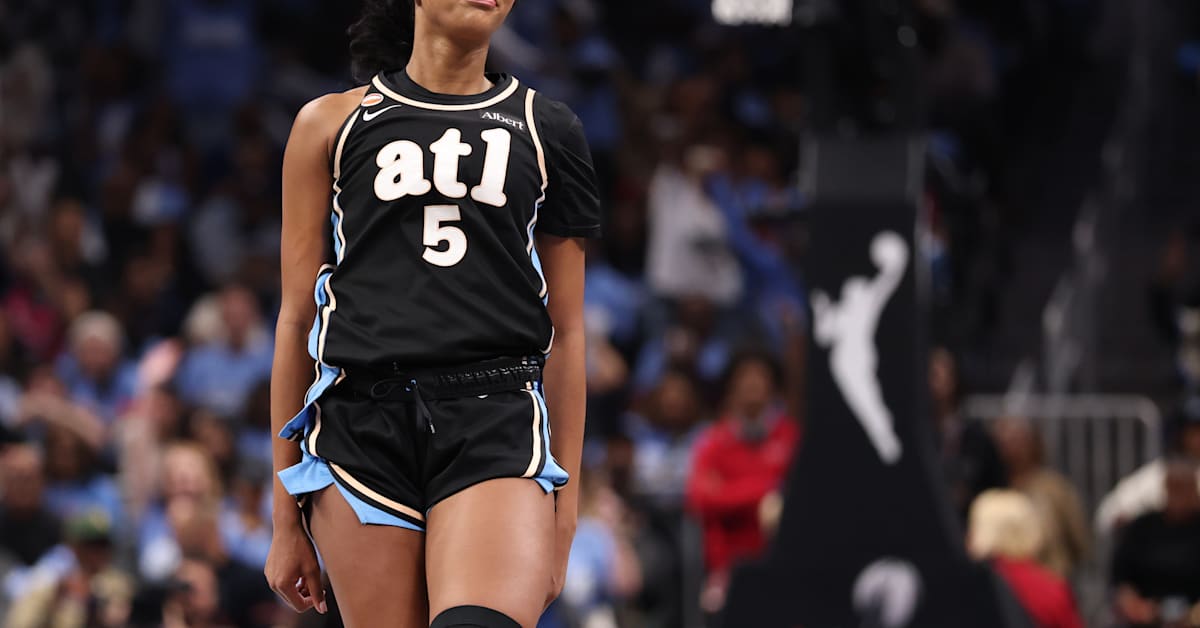
The industry itself must reflect on how it projects expectations onto young athletes, particularly those from established backgrounds. The mental toll that comes with public scrutiny is immense. Bronny’s situation isn't just about basketball; it's about the mental resilience required to persist in the face of relentless public and media pressure. This mirrors the wider cultural shifts we're seeing, similar to the pressures highlighted in Angel Reese's journey in the WNBA. The conversation needs to expand beyond the court to address how we support young athletes in managing the psychological demands of their careers. As the sports world continues to evolve, the emphasis should be on fostering environments that prioritize mental health and well-being, ensuring that athletes are equipped not only to handle the pressures of performance but also to thrive in their personal lives.
Fans and communities play a crucial role in shaping these narratives. As much as the media, they set the tone for what is considered acceptable commentary. While some may find Morgan's comments humorous, others view them as perpetuating unnecessary pressure. The balance between critique and support is delicate. The details are explored further in the video below. Communities have the power to uplift or undermine athletes, and the collective voice of fans can either bolster a player's confidence or contribute to a toxic atmosphere. In Bronny's case, the dialogue surrounding his career serves as a reflection of the broader societal attitudes towards athletes who come from privileged backgrounds. It's a conversation that requires nuance and empathy, recognizing the unique challenges faced by young players while also holding space for constructive criticism that encourages growth rather than diminishes potential.
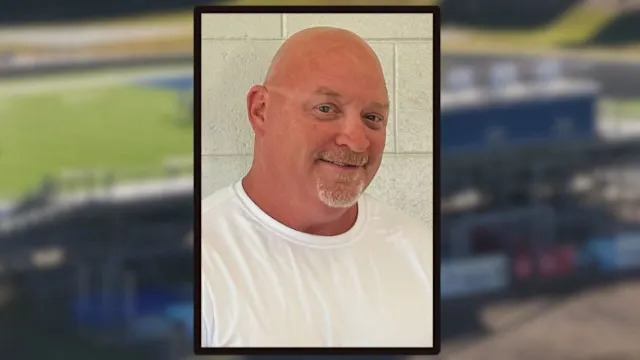
The intersection of race, class, and legacy in sports is a conversation that needs more depth. Black athletes often find themselves in a cycle of skepticism that their white counterparts might not face to the same degree. It's a dynamic that surfaces throughout sports culture, one that's been addressed in different contexts, like in the Apalachee Coach's resignation due to racial comments. This complex interplay of factors creates an environment where Black athletes must constantly prove their legitimacy, often under the weight of both racial and familial expectations. The conversation needs to move beyond surface-level observations and get into the systemic issues that contribute to these disparities, working towards a more inclusive and equitable sports scene where talent and hard work are the primary measures of success, rather than the color of one's skin or the legacy of one's name.
Advertisement
Moving forward, Bronny's career will likely continue under the microscope. His response to criticism, both on and off the court, will shape public perception as much as his performance. As he navigates these challenges, the broader question remains: How can the sports industry better support young players, particularly those from high-profile backgrounds, in their journeys? Bronny's next chapter will be telling, not just for him, but for the many who look to him as a marker of what it means to break boundaries. The narrative surrounding his career is poised at a crossroads, where the outcome will not only define his path but also contribute to the broader discourse on how we nurture and evaluate emerging talent in an era where media scrutiny is a constant companion.
Ultimately, Bronny's path in the NBA is a microcosm of larger themes in sports and society. His ability to define himself in his own right speaks to a broader narrative of resilience and identity. As the season progresses, watching how this storyline unfolds will offer insights not only into Bronny's future but also into the evolving scene of basketball and its cultural significance.