
Travis Scott’s Houston Comets Trademark: What Now?
By DeShawn Price, PowerVault Staff Travis Scott’s company has abandoned its Houston Comets trademark application, ending its pursuit of the name as the WNBA prepares its Houston return. According to USPTO documents re...
Advertisement

By DeShawn Price, PowerVault Staff
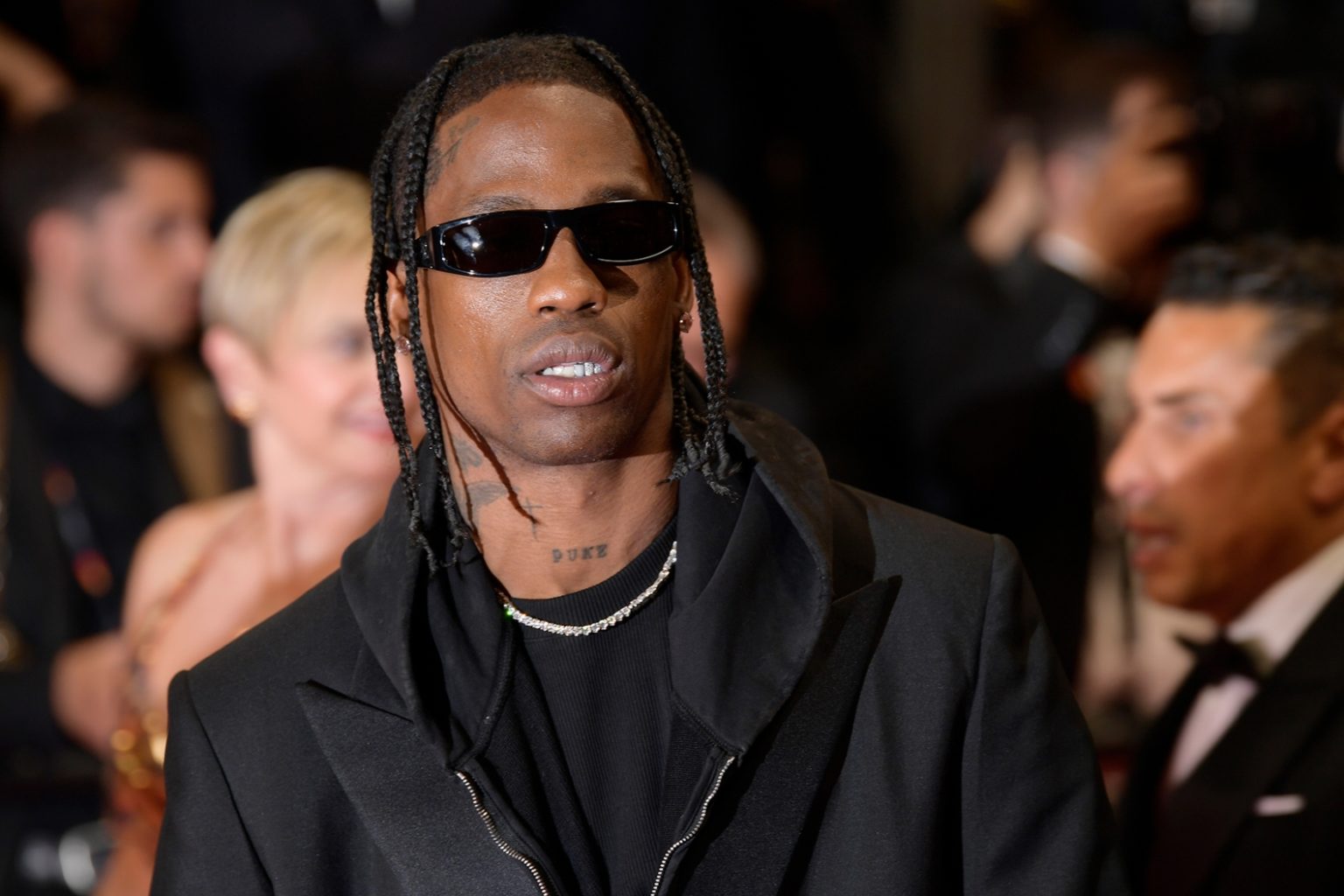
Travis Scott’s company has abandoned its Houston Comets trademark application, ending its pursuit of the name as the WNBA prepares its Houston return.
According to USPTO documents reviewed by XXL, TSTM Holdings abandoned the application on Oct. 29, 2026. The agency terminated it the following day. The company, based in Delaware and tied to Scott, had spent roughly two years pursuing a name with basketball history already attached.
TSTM Holdings applied in May 2024 to use Houston Comets on merchandise, including clothing, bags, DVDs and basketballs. WNBA attorneys filed their opposition that November. That puts actual products, not merely a catchy phrase, at the center of this dispute. The source also includes the accompanying video below.
The video above comes with a limit worth keeping in mind: XXL’s reporting does not establish whether either side received a settlement. Scott’s company could have reached an agreement or simply abandoned the fight. XXL said it contacted TSTM Holdings’ attorneys for comment. Calling this a payout, a forced surrender or a secret collaboration would outrun the evidence.
The opening emerged years after the original franchise disappeared. Front Office Sports reported, as cited by XXL, that the WNBA let its trademark rights expire in 2021. The original Comets had ceased operations in December 2008. That gap explains why a famous Houston name could become the subject of a fresh application.
The league filed a new application in early 2025, around Rockets owner Tilman Fertitta’s formal bid for an expansion franchise. Houston did not get that expansion slot. Fertitta instead acquired the Connecticut Sun for $300 million earlier this year. The team is relocating to Houston and is set to return as the Comets next season.
Scott’s connection to Houston basketball predates this paperwork. He supports the Rockets and designed playoff T shirts for the franchise in 2017. That history gives a potential apparel partnership some grounding. It does not establish that a Comets deal exists, or explain why his company pursued this particular application.
Houston deserves a comeback built around its fans, not just a name that sells.
For Scott, the useful distinction is between representing Houston and controlling a Houston brand. His local ties can make a collaboration feel credible. They cannot settle every question about a team name’s commercial use. PVN’s read: a licensed design partnership could offer a cleaner fit than a fight over the name itself.
The league deserves scrutiny, too. Allowing the trademark rights to expire created room for somebody else to pursue them. Opposing that application later does not erase the earlier lapse. From a business perspective, this is a reminder that preserving a legacy requires administrative attention, not just affection when a return becomes commercially relevant.
Houston deserves a comeback built around its fans, not just a name that sells. A rapper and a sports league can dispute merchandise rights, but neither side’s commercial interest fully captures what supporters attach to a hometown team. The class tension sits right there: fans supply the attachment, while companies negotiate the commercial rights.
Readers should also resist treating the end of an application as a complete accounting of who gained what. No reported licensing terms. The paperwork supports one clear conclusion: his company stopped pursuing this application. Anything more needs its own receipts.
That distinction matters for an audience fluent in music ownership debates. A proposed trademark for merchandise is not a masters acquisition, a publishing stake or ownership of a basketball franchise. Calling every commercial move an ownership play makes the details disappear. The merchandise categories in this application tell readers more than any vague talk about building an empire.
PVN has approached a related question through Keke Palmer’s rom com talks and creative control: participation and authority are different things. Applied here, designing a shirt would be a different business relationship from pursuing rights to the name printed across it. Neither should be confused with owning the team.
The audience’s role deserves that same precision. PVN’s question about who benefits when GTA VI brings hip hop into its world travels well here. Celebrity involvement can make a commercial project more appealing. Fans can enjoy that connection and still ask who controls the product, who gets paid and what the community receives beyond another checkout page.
A future Scott and Comets collaboration remains a possibility, not a reported development. His Rockets work offers a reason the idea makes sense, but not proof that anyone is negotiating it. The same restraint applies to the league’s plans: the reported return belongs in the story without turning every unresolved business detail into a done deal.
Advertisement
Next comes the Comets’ planned return and any official word about the abandoned application. Watch for confirmed branding, licensing announcements and an explanation from the parties, rather than guesses dressed as insider knowledge. Houston’s next basketball chapter should give supporters more to claim than a place in the merchandise line.
More from PowerVault Network: