Trump's Columbus Day Controversy: Why His Praise Hurts More Than It Heals
By Marcus Ellison, PowerVault Staff The air was thick with anticipation as folks gathered in the East Room of the White House on a brisk October morning. President Donald Trump, ever the showman, took the stage with h...
By Marcus Ellison, PowerVault Staff
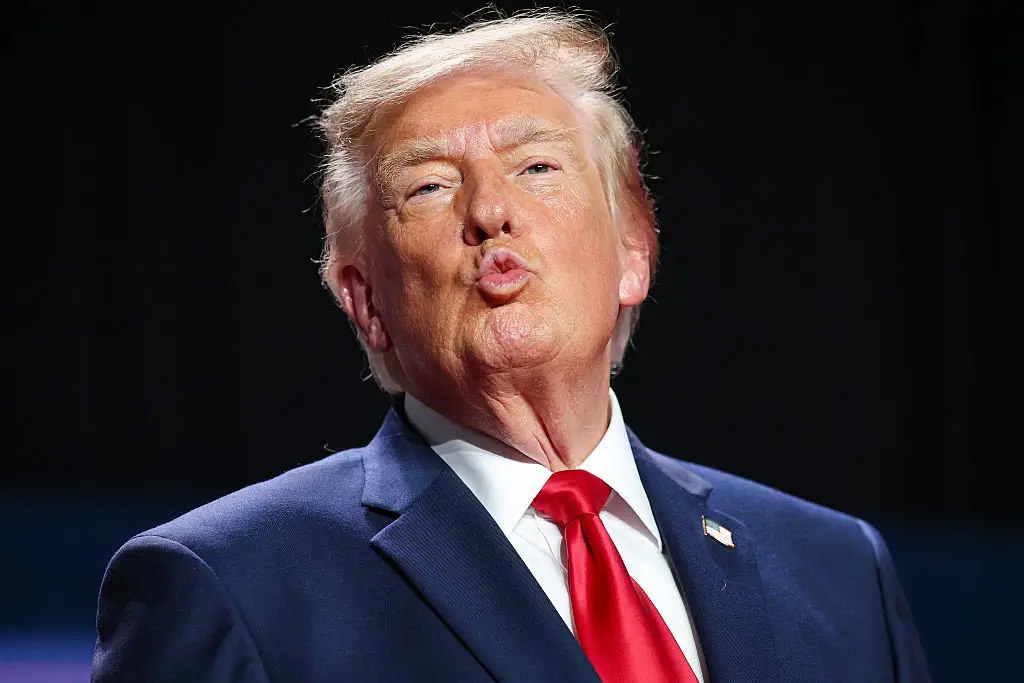
The air was thick with anticipation as folks gathered in the East Room of the White House on a brisk October morning. President Donald Trump, ever the showman, took the stage with his usual bravado. With Columbus Day approaching, he launched into a speech that was part history lesson, part political rallying cry, and entirely crafted to resonate with his base. It was a familiar scene: Trump playing to his audience by rewriting history to fit his narrative, a tactic he has employed time and time again throughout his political career. By invoking Columbus, Trump was not only appealing to nationalist sentiments but also attempting to shift the cultural scene back to a version of history that glosses over its most troubling truths.
Trump’s latest move, inspired by his opposition to what he calls 'woke ideology,' involved resurrecting the image of Christopher Columbus. According to an article from Atlanta Black Star, the president issued a proclamation celebrating the controversial figure's 'valor, adventure, and ingenuity.' Trump's stance is clear: he views Columbus as a misunderstood hero who set the stage for America's greatness, a narrative that conveniently neglects the darker chapters of colonial history. This framing ignores the atrocities committed against Indigenous peoples, casting Columbus in a light that suits Trump's political agenda. By elevating Columbus, Trump is not only attacking modern calls for equity and justice but also signaling his commitment to a version of history that prioritizes Eurocentric achievements over the lived experiences of colonized peoples.
In his speech, Trump credited Columbus with setting 'in motion the forces that would culminate in the miracle of July 4, 1776.' This narrative conveniently ignores the violent colonization and oppression that followed Columbus's arrival in the Americas. By omitting these critical details, Trump paints a picture of history that absolves Columbus of his role in the suffering of Indigenous peoples. Trump's comments were not just outrageous but incendiary, as they sparked widespread outrage and debate online. Many historians and social commentators posted online to express their frustration, pointing out the dangerous implications of Trump's revisionism. The viral reactions show the deep-seated tension in America over how history is told and who gets to tell it.
For many, Columbus Day has become a flashpoint for discussions about colonialism and its ongoing impact. Critics argue that celebrating Columbus is tantamount to glorifying genocide and erasure of Indigenous cultures. Despite this, Trump’s administration has been steadfast in its attempts to roll back diversity, equity, and inclusion efforts, viewing them as antithetical to their vision of America. This move is just one in a long list of actions designed to cater to a base resistant to acknowledging systemic racism. By championing Columbus, Trump is aligning himself with those who seek to maintain the status quo, resisting efforts to address historical injustices and their modern-day ramifications. It’s a calculated move that reveals much about the administration’s priorities.
The pushback was swift. Trump’s declaration was met with disdain from historians and advocates alike, who pointed to the inconvenient truth of Columbus's legacy: forced conversions, enslavement, and exploitation of native peoples. Columbus's arrival marked the beginning of centuries of colonization, a fact that is often glossed over in mainstream narratives. By ignoring these truths, Trump is perpetuating a sanitized version of history that serves only to uphold colonial power structures. Historians have long documented the atrocities committed during Columbus's voyages, from the brutal treatment of the Taino people to the establishment of the transatlantic slave trade. The backlash against Trump's narrative shows the importance of telling a fuller, more honest history that does not shy away from these uncomfortable truths.
Trump’s revisionist history is not an isolated phenomenon. It echoes past efforts to sanitize American history, like the debates around Confederate statues and the rewriting of civil rights history. Take, for instance, the ongoing controversy over Vice President JD Vance's ACA cuts, a fight over who gets to define America's narrative. It's a pattern as old as the country itself, one that seeks to erase the struggles and triumphs of marginalized communities. By rewriting history, those in power can maintain control over the cultural narrative, effectively silencing voices that challenge the dominant perspective. This battle over historical memory is not just academic; it has real-world implications for policy and social justice, affecting how society understands and addresses issues of race and inequality.
Trump's Columbus narrative is a slap in the face to those fighting for recognition of historical truths.
By framing Columbus as a hero, Trump dismisses Indigenous suffering and Black resilience.
For Black and Indigenous communities, Columbus is not a hero but a symbol of colonization's bloody legacy. By framing him as a hero, Trump dismisses Indigenous suffering and Black resilience, erasing the narratives of those who endured and resisted colonial violence. This false narrative sets a dangerous precedent, suggesting that the pain of colonized peoples is a mere footnote in the grand story of America. It's a move that undermines genuine attempts to reconcile with our past, making it harder to address the legacies of trauma and inequality that persist today. By insisting on this version of history, Trump is not just ignoring the voices of marginalized communities; he is actively working to invalidate their experiences and contributions to the nation's story.
Policy-wise, this rhetoric bolsters an agenda opposed to acknowledging systemic racism and its effects. Trump's stance further alienates marginalized groups and emboldens those who refuse to acknowledge the real impacts of colonization. The administration’s continuous dismissal of diversity and inclusion efforts signals not only a disregard for equity but also an alarming endorsement of sanitized history. This approach reinforces power structures that benefit from historical amnesia, making it difficult for the nation to address the root causes of racial and social inequalities. By promoting a version of history that celebrates colonial figures without acknowledging their crimes, Trump is perpetuating a cycle of denial and injustice that continues to marginalize communities of color.
For the Black community, this is a reminder of how easily history can be manipulated to maintain power structures. Celebrating Columbus in this manner erases the struggles of our ancestors who resisted colonization, dismissing the resilience and strength of Black and Indigenous communities who have fought and continue to fight against the legacies of oppression. This is more than about a holiday, it's about the struggle to reclaim our stories and honor our heroes. By challenging these narratives, we affirm the importance of telling a history that is inclusive and truthful, one that recognizes both the injustices suffered and the achievements made in the face of adversity. It's a fight for cultural recognition and historical accuracy that cannot be ignored.
The social dynamics at play are clear. This is more than a battle over history but a fight for who gets to define America’s identity. Trump’s actions are a stark illustration of how race and power intersect in political narratives. History is not just a record of the past but a battleground for the future, and Trump's attempt to 'resurrect' Columbus reinforces the marginalization of those who have suffered under colonial legacies. By dictating the terms of historical discourse, Trump is attempting to cement a legacy that aligns with his vision of America, one that sidelines the contributions and experiences of marginalized groups. This struggle over historical narrative is a reflection of broader societal conflicts over power, representation, and justice.
As we move forward, the key question is this: How do we honor the truth while building a more inclusive future? The response to Trump’s narrative must be a recognition of the full history of America, one that acknowledges both the pain and the triumphs. As we watch for potential policy changes and public responses, it's crucial to stay informed and engaged. The story isn't over, and neither is the fight for an honest reckoning with our past. Ensuring that all voices are heard in this ongoing dialogue is essential for fostering a society that is both just and equitable, paving the way for a future that respects and learns from the lessons of history.