Trump's Kennedy Center Cover-Up: The Legal Battle That Could Shape Arts Funding
By Marcus Ellison, PowerVault Staff The Kennedy Center, shrouded in tarp, is more than just an obstructed view of a historic site; it's a stark symbol of unresolved disputes and political power plays. This once revere...
By Marcus Ellison, PowerVault Staff
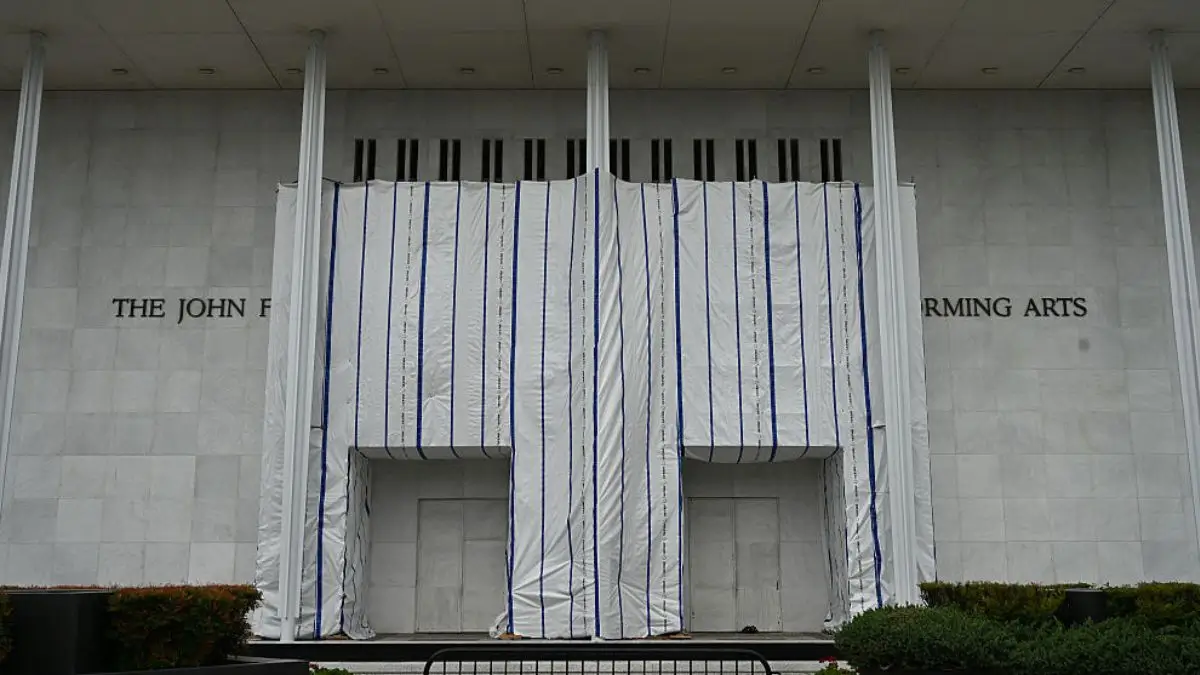
The Kennedy Center, shrouded in tarp, is more than just an obstructed view of a historic site; it's a stark symbol of unresolved disputes and political power plays. This once revered center of performance arts has transformed into a battlefield for a contentious power struggle featuring none other than Donald Trump. The tarp conceals more than just renovations; it's a metaphorical cover-up, hiding decisions and maneuvers that could profoundly alter the very essence of this iconic institution. The drama unfolding here is emblematic of a larger narrative about control and influence in America's cultural scene, with significant implications for the future of public spaces and the political dynamics that govern them.
As CBS News highlights, Donald Trump finds himself entangled in a legal showdown with Rep. Joyce Beatty, a determined Black congresswoman who is pulling no punches in her quest to uncover the truth about the Kennedy Center's proposed two-year shutdown. The White House, however, is not playing nice. They've invoked the presidential communications privilege, a move spearheaded by White House deputy counsel Joshua Hoyt, to withhold critical documents that could illuminate the center's future. This strategy is not just audacious; it's a brazen attempt to obstruct transparency and accountability. The tactics employed are raising eyebrows across the board, as they exemplify a stark disregard for openness and a troubling willingness to exploit executive powers.
Hoyt's sworn declaration insists that executive privilege covers the conversations between Trump, his advisers, and the Kennedy Center staff. This includes sensitive records detailing finances, the controversial plan for a two-year closure, and the inflammatory proposal to emblazon Trump's name prominently across the building. Hoyt argues that because Trump appoints key members of the Kennedy Center's board, he must be intimately familiar with its operations, a claim stretched thin to justify an unprecedented level of secrecy. This justification not only raises ethical concerns but also sets a dangerous precedent for future administrations to shroud their actions in secrecy under the guise of executive privilege. Such maneuvers only serve to deepen the distrust in processes meant to be transparent and accountable to the public.
The attempt to shield these communications has encountered a significant obstacle. Unreported until now, the Justice Department has accused Beatty of initiating what they call an “extraordinarily intrusive discovery campaign.” The irony is palpable, their own court filing inadvertently highlights that Trump isn't automatically the board chair by virtue of his presidency. Instead, this title was conferred upon him by a board comprised of his loyalists, a fact that the DOJ argues blurs the boundaries between his presidential duties and his role as chairman. This revelation shows the complexity and potential conflicts of interest inherent in Trump's dual roles, raising questions about the impartiality and integrity of decisions affecting the Kennedy Center's future.
Judge Christopher Cooper's decision to block the venue's closure and remove Trump's name from its facade was a significant victory for Beatty, albeit a temporary one. Crews complied, and the name was taken down, but the tarp remains, concealing the true state of affairs beneath. As Beatty's lawsuit advances, her legal team contends that the government is hiding behind an overly broad privilege claim, accusing the DOJ of improperly shielding documents that should be subject to public scrutiny. This has resulted in a tense standoff in the courtroom, with both sides locked in a battle that could have far-reaching implications for transparency and accountability in the governance of cultural institutions. For a firsthand account of these proceedings, check the next tweet.
Historically, the Kennedy Center has been a pivotal site for cultural diplomacy and a symbol of America's artistic identity. Established under President Dwight D. Eisenhower in 1958 and dedicated to John F. Kennedy, the center has been the stage for countless transformative events that have shaped the cultural scene of the nation. However, Trump's interventions echo past attempts by presidents to rebrand public institutions for personal legacy. Think of Ronald Reagan's efforts to leave a lasting mark on the national mall or George W. Bush's unsuccessful attempts to reshape the library system. This ongoing trend of personalizing public spaces is fraught with political and cultural implications, as it risks turning shared cultural heritage into platforms for individual aggrandizement, undermining the very ideals these institutions are meant to uphold.
Now, we're facing more than just a legal impasse. This is more than about finances or facades; it's about controlling narratives and legacies in America's cultural heartland.
This is more than a fight over a building; it's a clash over who controls stories and legacies in America.
Beatty's battle transcends the mere protection of a building's name; it is a stand against a power grab that could fundamentally alter the world of arts funding and influence for generations. Should Trump’s maneuver succeed, it would establish a dangerous precedent where future presidents could manipulate cultural institutions to serve political objectives. This isn't the first time Trump has faced criticism for overreach, his administration's questionable dealings, as highlighted in the Nolan Wells case, serve as a stark reminder of the potential for abuse when power is unchecked. Beatty’s fight is not just about preserving a name; it's about safeguarding the integrity of cultural institutions from becoming tools of political machinations, ensuring they remain bastions of artistic freedom and representation.
The clash over the Kennedy Center casts a spotlight on broader systemic issues, primarily, who holds the reins of history and culture in America? This isn't merely a dispute over a building; it's a battle for control over the narratives and legacies that define the nation. As Beatty pushes back, her lawsuit challenges the status quo, calling into question the unchecked power that past administrations have wielded over cultural institutions. This legal confrontation is a turning point in the ongoing struggle to democratize cultural governance, ensuring that the stories and legacies preserved and celebrated reflect the rich diversity and complex history of the nation, rather than the narrow perspectives of those in power.
But it's not just legal tactics that are under scrutiny. This situation lays bare a deeper class divide and racial undertone that permeates the political sphere. As a Black woman operating within a predominantly white political scene, Beatty’s determination to unearth the truth says a lot about the ongoing struggle for representation and transparency. For communities of color, this isn't a mere legal skirmish; it's a battle that shows the urgent need for diversity in decision-making spaces. Beatty's efforts to challenge the status quo resonate with marginalized communities who have long been excluded from the corridors of power, highlighting the critical importance of diverse voices in shaping policies and decisions that impact the cultural and social fabric of the nation.