Trump's Naked Gold Statue in Europe: The Message He Can't Ignore
By Renee Fontaine, PowerVault Staff In the hushed halls of the European Parliament, surrounded by the weighty aura of diplomacy, a peculiar figure looms large. The statue, shimmering in gold, is hard to miss. It's an...
By Renee Fontaine, PowerVault Staff
In the hushed halls of the European Parliament, surrounded by the weighty aura of diplomacy, a peculiar figure looms large. The statue, shimmering in gold, is hard to miss. It's an eight-foot-tall replica of former President Donald Trump, and it stands there not as an accolade but as a critique. The opulence of gold, a nod to Trump's love for everything gilded, only serves to highlight the artist's intent: to expose what Trump tries to hide. This isn’t just about mocking his aesthetic preferences; it’s a bold statement on the excesses of his presidency. The sculpture’s presence in such a significant political venue shows the artist's ambition to spark a broader conversation about leadership and accountability in a very public sphere.
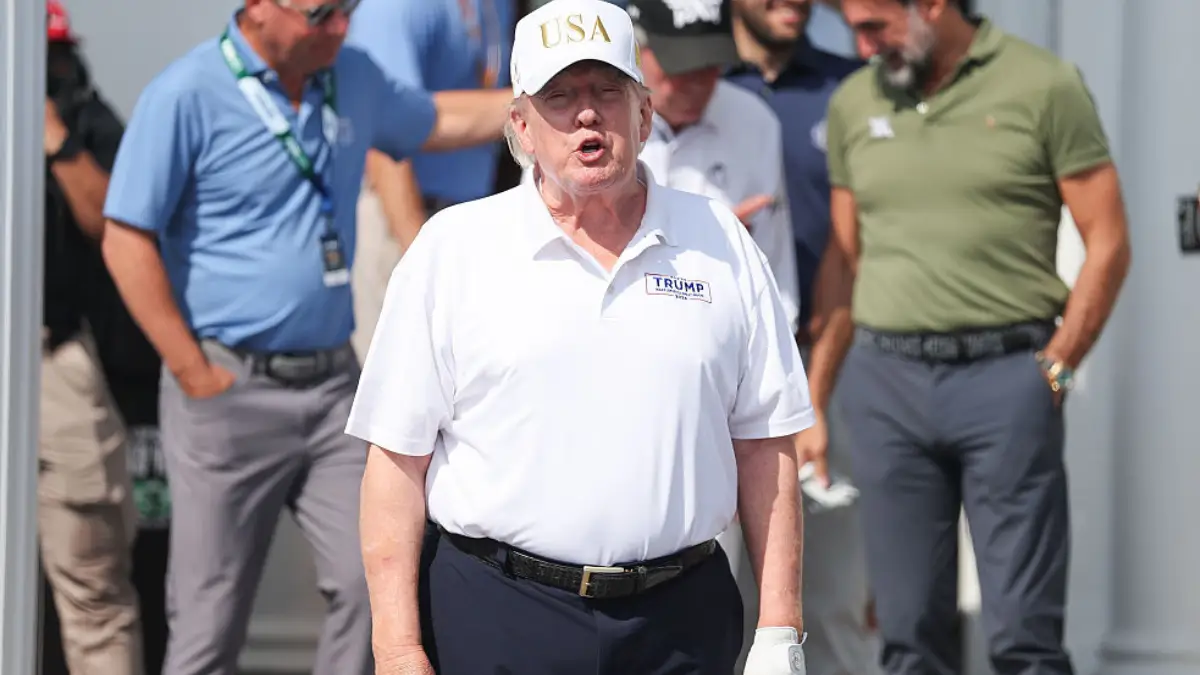
Danish sculptor Jens Galschiøt crafted the piece, and it's causing quite a stir. According to Atlanta Black Star, the statue isn't just a monument to Trump's controversial presidency; it's a satirical commentary on his alleged history of cheating, notably in golf. The message attached isn't something Trump would sign off on, but it says a lot about how the world sees him. The golden behemoth sits in Strasbourg, France, reminding EU lawmakers, and the world, of the ego that once occupied the White House. Galschiøt is known for using his art to confront uncomfortable truths, and this statue is no exception. It stands as a reminder that even the most powerful figures can become subjects of ridicule and scrutiny when their actions defy ethical norms.
The statue's presence alone is enough to stir conversation, but what really caught the internet's attention is a detail Trump would rather not see magnified. The artist exaggerated his belly, making it impossible to ignore. It's a jab at the former president's penchant for hiding beneath oversized suits. This detail did not go unnoticed online, where users couldn't help but zoom in and discuss. The clip that set everything off is below. The exaggerated midsection serves as a metaphor for the bloated nature of Trump's self-image and his administration's dealings. By focusing on this specific detail, Galschiøt effectively challenges the carefully curated persona that Trump has worked so hard to maintain, forcing viewers to question the truth behind the facade.
Trump, who has always had a knack for commanding attention, finds himself at the center of a new kind of spectacle. This isn't the first time Galschiøt has taken to art to voice political dissent. Known for his provocative pieces, the sculptor has a history of using his work to challenge power structures. Trump's reaction, predictable as ever, was one of frustration and denial, as noted in reports about his recent outbursts. The former president's inability to control this narrative speaks to his ongoing struggle with public perception. At a time when image is everything, this artistic critique serves as a stark reminder that even the most powerful can be brought down to size when faced with their own contradictions.
But why now, and why in Europe? Galschiøt, aware of Trump's fondness for gilded representations, saw it fit to create something that would not just stand out but also provoke a dialogue about vanity and leadership. The golden statue isn't just about Trump; it's a reflection on leaders who prioritize ego over duty. The YouTube video dissecting the sculpture's impact is below. By placing the statue in the heart of European politics, Galschiøt invites international audiences to reflect on the universal themes of power, ego, and accountability. In doing so, he challenges the notion that these issues are uniquely American, highlighting their relevance in global leadership discussions.
This isn't the first time art has been used as a tool for political critique. Remember the naked Trump statues that appeared in several U.S. Cities back in 2016? Those installations were designed by the anarchist collective INDECLINE, sparking conversations about body politics and presidential decorum. Years earlier, in 1937, Pablo Picasso’s Guernica challenged the horrors of war. Art has always been intertwined with political discourse, serving as both a mirror and a hammer. In Trump's case, this enduring pattern of artistic critique shows a tangible discomfort with his public persona. These artistic endeavors force us to confront the realities that words alone sometimes fail to capture, making them powerful tools for social and political change.
Art speaks where words sometimes fall short, capturing truths that elude language.
This statue is more than a jab at Trump's vanity; it's a mirror held up to a world leader's legacy.
This statue is more than a jab at Trump's vanity; it's a mirror held up to a world leader's legacy. For a man so concerned with his image, the idea that his presidency could be reduced to a caricature in gold is a narrative he can't control. Yet, it fits a long-standing pattern of leaders being held accountable through art. What this piece does is force viewers to confront the contradictions of a man who lived for the spectacle. The sculpture challenges us to grapple with the dissonance between the image Trump projected and the reality many experienced under his leadership, prompting a deeper examination of the role of image in political power.
There's also a cautionary tale here for politicians who might be tempted by the allure of power sans accountability. The piece is not just a commentary on Trump, but on the systems that allow such figures to rise unchallenged. It is more than about a sculpture; it's about the environments that foster and excuse egotism. This is a reminder to the political class of the public's power to critique and hold accountable. At a time when leaders often evade scrutiny, art becomes a powerful tool to highlight the cracks in the facade and the potential consequences of unchecked ambition, urging both politicians and citizens to demand more from those in power.
As for the community observing from afar, this piece holds up a lens to the broader cultural shifts we've seen in leadership. In an era where authenticity is currency, how does a figure like Trump continue to wield influence? The YouTube video below explores how art plays a role in shaping the political scene. The statue invites us to question the values that underpin modern leadership and to consider how art can expose the dissonance between public narratives and lived realities. It serves as a call to action for communities to engage thoughtfully with the forces shaping our world, using art as a catalyst for reflection and change.
When considering the racial and class dynamics at play, Trump's presidency often felt like a direct attack on marginalized communities. This sculpture, while humorous to some, reminds us of the serious implications his policies had on Black and brown communities. From voter suppression to economic disparities, the effects of his leadership go beyond personal vanity and touch on systemic issues that remain unresolved. The statue forces us to remember the broader societal costs of his tenure, urging a reckoning with the policies that disproportionately harmed those already marginalized, and reinforcing the necessity of addressing these deep-seated inequities in the ongoing struggle for justice.
Looking ahead, this statue may only be one of many artistic critiques Trump's legacy will endure. As he continues to be a polarizing figure, both in politics and in culture, expect more artists to rise to the occasion, challenging narratives and prompting introspection. In an age where image is everything, art will continue to play its ever-critical role in questioning the powerful. Through creativity and critique, artists will persist in holding leaders accountable, ensuring that public figures cannot escape the scrutiny of those who wield the brush, the chisel, and the pen as tools for truth and change.