Trump's Reflecting Pool Disaster: How a Quick Fix Became a $20 Million Headache
By Renee Fontaine, PowerVault Staff On any given day, the Reflecting Pool should serve as a breathtaking mirror, capturing the majestic essence of Washington, D.C.'s iconic monuments, from the Lincoln Memorial to the...
By Renee Fontaine, PowerVault Staff
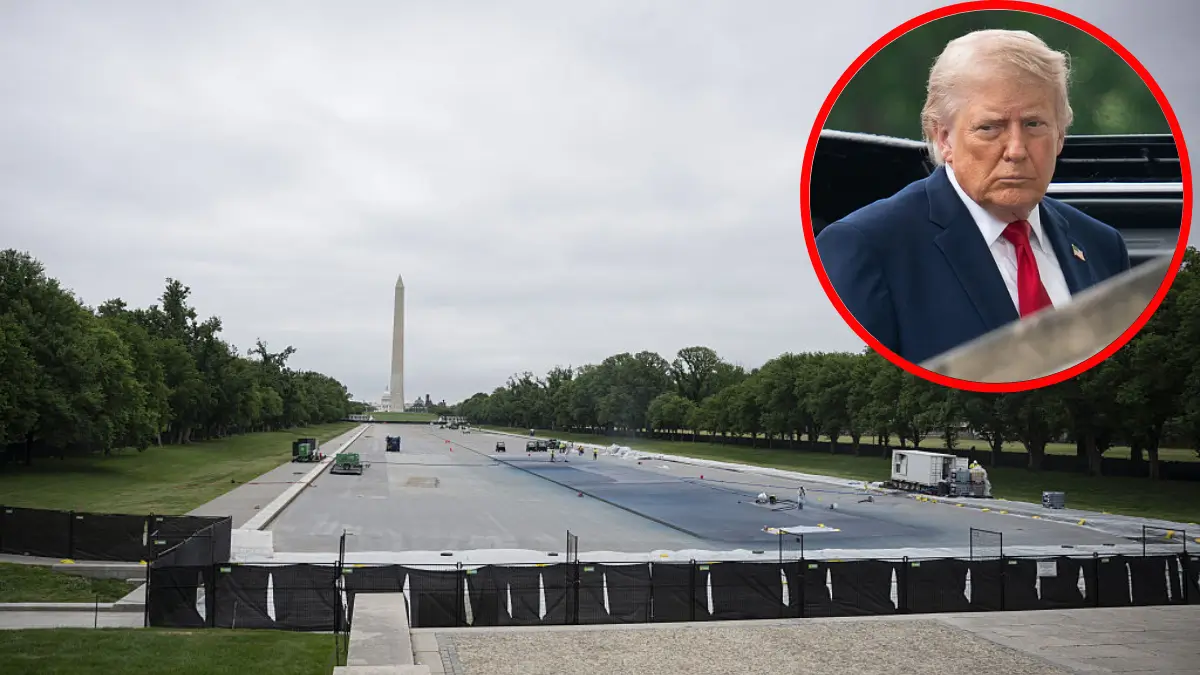
On any given day, the Reflecting Pool should serve as a breathtaking mirror, capturing the majestic essence of Washington, D.C.'s iconic monuments, from the Lincoln Memorial to the Washington Monument. Instead, it has devolved into a murky, algae-laden eyesore, a stark contrast to the pristine vision Donald Trump had promised. What was supposed to be a straightforward $1.5 million cleanup has ballooned into a staggering $20 million debacle, rife with scandal and incompetence. This once-clear symbol of national pride now reflects a saga of mismanagement and broken promises, emblematic of a leadership that prioritizes spectacle over substance, leaving the public to foot the bill for yet another costly endeavor gone awry.
Donald Trump, ever the consummate showman, stepped into the spotlight in early October to declare the Reflecting Pool's renovation complete. However, as is often the case with his ventures, the reality behind the glossy façade is far more convoluted and problematic than his grand declarations suggest. Reports from The Washington Post paint a vivid picture of a project mired in dysfunction, plagued by shoddy construction work and questionable management decisions. Despite these glaring issues, Trump has persistently deflected responsibility, casting blame on everyone but himself. This pattern of deflection and denial is not new; it is a hallmark of his approach to leadership, where accountability is evaded, and the truth is frequently obscured.
Eyewitnesses have been treated to a spectacle of ongoing mishaps, a veritable comedy of errors unfolding before their eyes. On October 6, the fanfare of a completed project was abruptly silenced by the stark reality of half-empty waters and piles of unsightly debris. Trump's assurances that the antiquated plumbing had been replaced rang hollow as EarthCam footage painted a different picture, revealing ongoing issues with water levels and maintenance. The stark disconnect between Trump's confident proclamations and the visible state of disrepair has only added to the embarrassment, as the public is left to grapple with the reality of a project that is anything but complete, despite the former president's assertions to the contrary.
Those with intimate knowledge of the Reflecting Pool's renovation have observed a project spiraling out of control, transforming what should have been a routine plumbing fix into an ever-expanding crisis. Water levels, originally intended to remain consistent, have fluctuated dramatically, leaving workers scrambling to address a litany of unforeseen complications. As crews rush to mitigate these issues, the project has descended into chaos, prompting serious questions about the integrity of oversight and project management. The lack of transparency and apparent mismanagement has cast a shadow over the endeavor, raising concerns about the competence of those in charge and leaving observers skeptical about the project's eventual success.
The National Park Service has attempted to quell public concern by claiming that the erratic draining and filling of the Reflecting Pool was part of a deliberate maintenance strategy. However, for local residents who have witnessed the pool's deterioration firsthand, these explanations ring hollow. Emily Miller's astute observations have highlighted the discrepancies between official statements and the reality on the ground, suggesting that more is occurring beneath the surface than authorities are willing to admit. Her detailed posts offer a sobering portrayal of a project shrouded in mystery and miscommunication, where the true extent of the issues remains obscured, leaving the public frustrated and demanding accountability.
This isn't the first time Trump's ambitious visions have collided with harsh reality. The echoes of his failed ventures, from the implosion of his Atlantic City casinos to the notorious collapse of Trump University, serve as cautionary tales of overreach and neglect. Time and again, Trump's projects have launched with a flurry of bombastic promises, only to unravel into legal disputes and financial disasters. This pattern of negligence and over-promise has been a defining feature of his brand for decades, leaving a trail of disillusionment and repercussions. The Reflecting Pool debacle is but the latest chapter in a long history of ventures where grandiosity overshadowed practicality, with the public often left to bear the consequences.
This is a lesson in accountability masquerading as a construction project.
This is a lesson in accountability masquerading as a construction project.
The Reflecting Pool debacle is a stark reminder of the fragile nature of public trust. When a leader is unable to deliver honesty and transparency on something as visible and significant as a national landmark, it casts a long shadow of doubt over their broader commitments. For communities already wary of broken promises and political rhetoric, this failure only deepens the skepticism and cynicism that have become pervasive. The erosion of trust in leadership is a profound issue, particularly for marginalized communities that have historically been let down by those in power. This incident shows the need for accountability and integrity, values that have been sorely lacking in this latest chapter of mismanagement.
This situation with the Reflecting Pool also raises crucial questions about decision-making in our national public spaces. Trump's unilateral approach to the renovation reflects a top-down style of governance that often ignores public input and sidesteps professional expertise. This isn't merely a case of a renovation gone wrong; it's indicative of a broader cultural issue where power and privilege enable poor decision-making without consequence. The disconnect between those in authority and the communities affected by their decisions is glaringly apparent, and it highlights the urgent need for a more inclusive and transparent approach to managing public resources. Without such change, we risk perpetuating a cycle where public interests are consistently overridden by private ambitions.
As more layers of this Reflecting Pool debacle are peeled back, it becomes evident that the issue transcends the confines of this single project. It speaks to a larger American narrative where public projects are frequently co-opted for personal or political gain, leaving communities disenfranchised and frustrated. The ongoing mismanagement of this civic resource has become a flashpoint for local anger, as illustrated by social media posts that capture the public's disillusionment and demand for accountability. This situation is a microcosm of a national problem, where public trust is eroded by leaders who prioritize self-interest over the common good, and where communities are left to pick up the pieces.