What Happened to Nolan Wells? The Questions Surrounding His Untimely Death
By Andre Coleman, PowerVault Staff The humid air of Harlem is thick with anticipation, as the crowd gathers at the National Action Network House of Justice. The tension is palpable, the kind that comes with the weight...
By Andre Coleman, PowerVault Staff
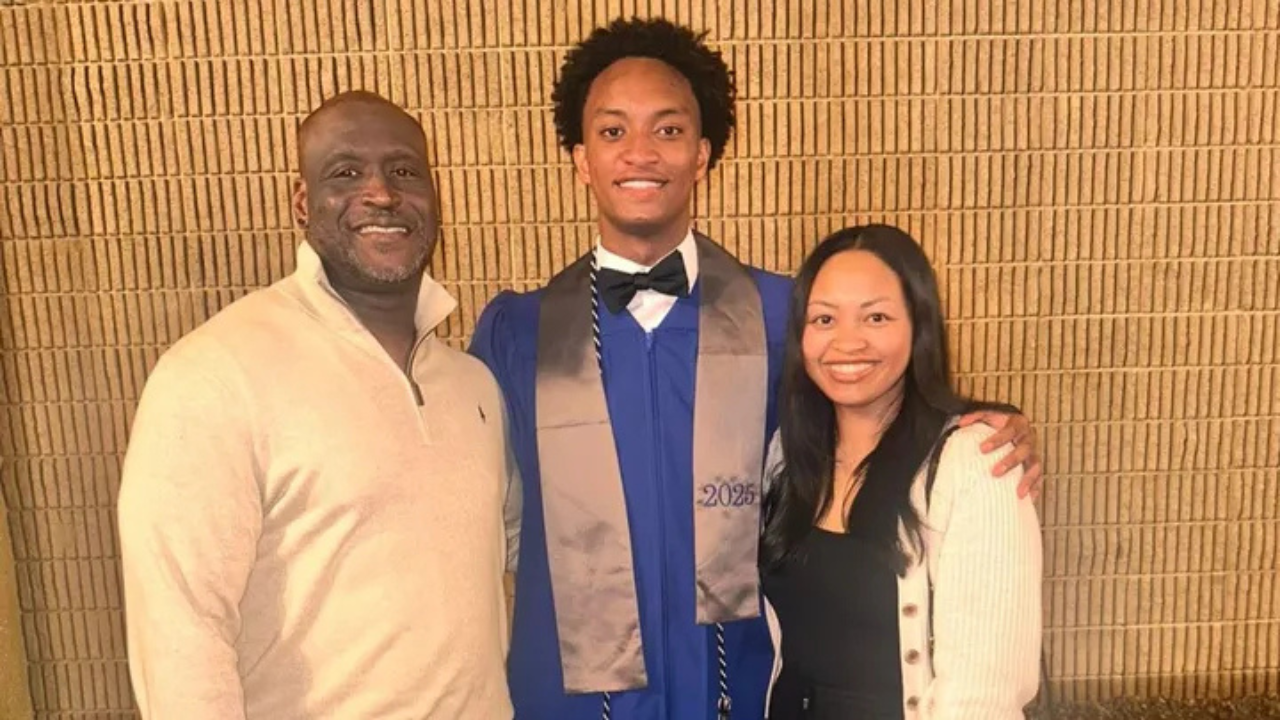
The humid air of Harlem is thick with anticipation, as the crowd gathers at the National Action Network House of Justice. The tension is palpable, the kind that comes with the weight of unanswered questions. The family of Nolan Xavier Wells, a promising young high school graduate, awaits their turn to speak. They stand flanked by civil rights attorney Ben Crump and Rev. Al Sharpton, titans in the fight for justice when it's most elusive.
Nolan Wells' disappearance and subsequent death have left a community reeling and a family desperately seeking answers. The story begins on an ordinary day that took an extraordinary turn. Nolan was last seen boarding a ferry, yet he ended up alone on an island, under circumstances that defy logic and demand scrutiny. The Wells family is not merely questioning the investigation's transparency; they're challenging its very credibility.
In the days following Nolan's disappearance, a disjointed narrative emerged. Conflicting accounts from local authorities have yet to paint a coherent picture of how an 18-year-old could simply vanish. The lack of clarity has only fueled suspicions of foul play or gross negligence. The Wells family's decision to hold a press conference is a strategic move, leveraging the influence of Crump and Sharpton to amplify their demand for a thorough and honest investigation.
Below is the video where Crump and Sharpton address the media alongside the Wells family, highlighting the inconsistencies in the investigation.
The case of Nolan Wells is not an isolated incident. It echoes the systemic failures often seen in cases involving people of color. It brings to mind other high-profile cases where justice has been delayed or denied, such as the tragic deaths of Breonna Taylor and Elijah McClain. These names are etched into the national consciousness as stark reminders of a justice system that frequently falls short for Black communities.
What makes this case particularly troubling is the glaring lack of transparency. Initial police reports failed to provide a timeline or account for Nolan's whereabouts in the critical hours between his disappearance and the recovery of his body. This opacity is what the Wells family and their legal team are challenging. According to the detailed timeline released by the media, there are significant gaps that suggest either an oversight or a deliberate omission.
Nolan's case also highlights the broader issue of how cases involving marginalized individuals are handled. The pattern is disturbingly familiar: slow police response, lack of media coverage, and an overarching narrative that often blames the victim rather than seeking justice. This demands a closer examination of the systemic biases that permeate our institutions.
The family of Nolan Wells shared a heartfelt message on social media, expressing their frustration and urging for public support. The post speaks to a community's grief and determination to see justice served.
Analyzing the broader implications of this case, one must consider the role of media in shaping public perception. Media coverage can either bring about justice or shield systemic failure from scrutiny. In Nolan's case, it has been the relentless pressure from social media and the community that has kept the case in public discourse. This reflects a growing trend where social media acts as a watchdog in ways traditional media sometimes fails to do.
The need for transparency is not just a legal obligation but a moral one, especially when lives are at stake.
The intersection of race and justice in America is fraught with historical baggage. From the Jim Crow era to the modern Black Lives Matter movement, the struggle for equality under the law has been ongoing. Nolan Wells' case is a contemporary chapter in this long and painful history. It calls into question whether true justice is achievable in a system that has so often devalued Black lives.
In a country that prides itself on being a melting pot, the disparities in how justice is served are stark. Nolan's story is a testament to the fact that racial bias can and does influence judicial outcomes. It is a call to action for those in positions of power to examine their practices and biases critically. The culture cannot progress without addressing these fundamental issues.
In closing, the Wells family's fight for justice is far from over. The press conference is a turning point in their campaign to uncover the truth about Nolan's tragic end. Whether justice will be served remains to be seen, but the family's resolve is unyielding. As they press forward, they challenge each of us to consider our role in demanding accountability from the institutions that serve us.
The Instagram post below captures a watershed moment in the ongoing quest for justice.
For those following the case, the next steps involve keeping a close watch on the investigation's progress or lack thereof. The spotlight shines on the authorities to prove their commitment to transparency and justice. Meanwhile, the community and the broader public are called upon to remain vigilant and engaged, ensuring that Nolan Wells' story is not just another in a long list of tragedies but a catalyst for change.