Why Black Characters Are Finally Winning in Horror Movies
By Jasmine Reed, PowerVault Staff In a genre where Black characters traditionally got the short end of the knife, the tide is changing, and we're here for it. Horror films are no longer relegating us to the background...
Advertisement

By Jasmine Reed, PowerVault Staff
In a genre where Black characters traditionally got the short end of the knife, the tide is changing, and we're here for it. Horror films are no longer relegating us to the background; they're showcasing Black characters with the smarts and grit to outwit the big bad. This shift isn't just about survival; it's about reshaping narratives and claiming space in a genre that has often pushed us to the sidelines. No more are we the expendable sidekicks or the first to fall victim to the villain's wrath. Instead, we're seeing characters who are complex, intelligent, and central to the story, challenging old tropes and weaving new tales that reflect our strength and ingenuity. It's a thrilling evolution, and it's about time the horror genre caught up with the richness of our stories.
The recent article on Black America Web highlighted an exciting list of Black characters who defied stereotypes and survived horror movies through sheer intelligence. The piece, originally published here, celebrates these characters who broke the mold and redefined what it means to be a survivor in horror. Among them are iconic performances like Ken Foree's in 'Dawn of the Dead' and Keith David's enigmatic role in 'The Thing'. These characters didn't just survive, they thrived, showcasing that smarts can be a weapon as lethal as any axe or chainsaw. Foree and David's performances are masterclasses in resilience and resourcefulness, showing us that brains, not just brawn, can be the ultimate defense against the horrors lurking in the shadows. It's a reminder that intelligence and quick thinking are formidable survival tools.
We've all seen the trope: the token Black character meets an untimely demise, often serving more as a plot point than a person. But these films shattered that narrative, turning the spotlight on characters that defy expectations. Foree's character in 'Dawn of the Dead' wasn't just a survivor; he was a symbol of resilience, proving that in the face of a zombie apocalypse, courage and quick thinking are vital. His character was not only physically strong but mentally sharp, a leader who commanded respect and attention. Meanwhile, Keith David's Childs in 'The Thing' kept us guessing until the end. His ambiguous fate leaves room for discussion to this day, sparking debates around campfires and in dorm rooms, analyzing every breath and glance. The YouTube video below gets into these portrayals further, offering a deeper look into how these characters changed the game.
October is the perfect time to celebrate these trailblazers as pumpkin spice lattes and horror marathons dominate the scene. With the crisp air and falling leaves setting the mood, horror enthusiasts are diving headfirst into a month-long celebration of all things spooky. The fact that streaming services allow us to curate our own horror movie playlists means more opportunities to revisit and appreciate these groundbreaking performances. Ken Foree's and Keith David's contributions to horror are more relevant than ever, reminding us that bravery isn't just about brawn, it's about smart and strategic survival. Their roles encourage viewers to think critically about survival and the importance of using one's wits to handle treacherous situations. As we cozy up with our favorite films, it's essential to acknowledge and honor these performances that paved the way for future generations.
Brandon Adams in 'The People Under the Stairs' and Jada Pinkett Smith in 'Demon Knight' also deserve their flowers for their groundbreaking work. Adams captured audiences with his role as the resourceful Fool, handling a house of horrors with uncanny wit and bravery. He is more than a child caught in a nightmare; he was a clever strategist, using his environment and intellect to outsmart the sinister forces around him. Smith's transformation from damsel to Demon Knight was proof of her character's cleverness and adaptability, shifting from vulnerability to empowerment with grace and grit. Both films highlight that a savvy protagonist can make all the difference, especially when the odds are stacked against them. Their performances remind us that intelligence and quick thinking are powerful allies in the fight against evil.
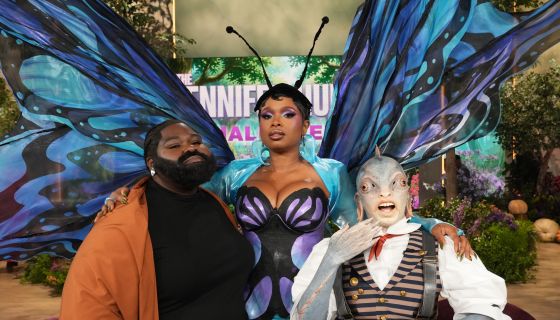
This evolution in portrayal isn't just coincidental. It's part of a broader cultural shift where Black creators are seizing control of narratives and redefining what it means to be a hero in horror. Historically, horror has been a space of marginalization, often relegating Black characters to the background. But now, from 'Get Out' to 'Us', Black directors are using the genre to explore social themes and subvert expectations, tackling issues like racism, identity, and power dynamics in innovative ways. This is more than horror reinventing itself; it's a genre being decolonized and reclaimed. Much like how Gabourey Sidibe's recent Halloween costume reclaimed cultural narratives, these films are reimagining horror, turning it into a platform for critical conversation and societal reflection. They challenge the status quo, urging audiences to question their perceptions and biases.
Let's not misunderstand: this is more than entertainment evolution, it's cultural revolution. Horror is a mirror reflecting societal anxieties and prejudices. Black characters surviving these films isn't just good storytelling; it's a counter-narrative challenging how we've been conditioned to see ourselves in these roles.
Surviving horror films is about rewriting narratives, both on screen and in real life.
Surviving horror films is about rewriting narratives, both on screen and in real life. It's about celebrating intelligence and resilience in the face of adversity. The Black community has always been resilient; horror now acts as a platform to highlight that tenacity, shining a spotlight on the strength and ingenuity that has long been part of our cultural fabric. Films like 'Get Out' make us question who the real monsters are, turning the lens back on society's darkest corners and forcing us to confront uncomfortable truths. These stories aren't just entertainment; they're powerful commentaries on the world we live in, challenging us to think, reflect, and engage with the complexities of race and identity. They remind us that true horror lies not in the supernatural, but in the everyday fears and prejudices that haunt us.
For the industry, this shift is a wake-up call to the power of diversity and the demand for authentic, complicated storytelling. The success of Black-led horror films signifies an appetite for stories that break traditional molds and offer fresh perspectives. It's not just about representation; it's about authenticity and the richness that diverse perspectives bring to storytelling. As horror fans, we should demand more of these narratives that respect our intelligence and heritage, pushing for a scene where all stories are valued and heard. This is more than a trend; it's a movement towards inclusivity and understanding, encouraging the industry to embrace the full spectrum of human experience. By championing these stories, we affirm the importance of representation and challenge the industry to do better.
For Black audiences, seeing characters that look like us not only survive but thrive in horror films is empowering and affirming. It reinforces the idea that our stories matter, that our survival is a triumph worth celebrating. More than ever, it's crucial that we support films that respect and reflect our experiences, ensuring that our voices are heard and our narratives are told with authenticity and care. Just as Rodney Hinton Jr.'s case highlighted systemic issues, horror is shedding light on our narratives' richer complexities, offering a platform for exploration and dialogue. These films provide a space where we can see ourselves as heroes, not victims, challenging stereotypes and redefining what it means to be a survivor. They remind us of our strength, resilience, and the power of our stories.
Advertisement
Underneath, there's a deeper dialogue about race and power dynamics in Hollywood, a conversation that has been long overdue. Historically, Black characters in horror were afterthoughts, fulfilling token roles without real depth or agency. But today, the scene is changing. Today's heroes reflect a shift toward fully realized characters who contribute meaningfully to their narratives, characters with depth, complexity, and agency. This evolution challenges the industry to continue pushing boundaries and creating spaces where all stories can be told. It's a call to action for filmmakers and audiences alike to demand more from the stories we consume, ensuring that they reflect the diversity and richness of the world we live in. By embracing these narratives, we affirm the importance of inclusivity and the power of storytelling.
As the horror scene continues to evolve, the future looks promising for Black characters, with new films and narratives on the horizon ready to explore these themes further. The next wave of films could further get into these themes, exploring new ways to empower and engage audiences with stories that challenge, inspire, and entertain. The challenge is to keep this momentum going, ensuring that our stories not only make it to the screen but thrive there, resonating with audiences and sparking important conversations. As we look forward, let's push for narratives that honor and celebrate our intelligence, resilience, and unyielding will to survive. Let's continue to champion stories that reflect our strength and ingenuity, ensuring that our voices are heard and our experiences are valued in every frame.