Why Ms. Rachel and Macklemore's Million-Dollar Palestine Donations Matter
By Marcus Ellison, PowerVault Staff In the world of hip hop where beats and bars often steal the spotlight, sometimes moves behind the scenes make the biggest impact. The vibe was palpable when both Ms. Rachel and Mac...
By Marcus Ellison, PowerVault Staff
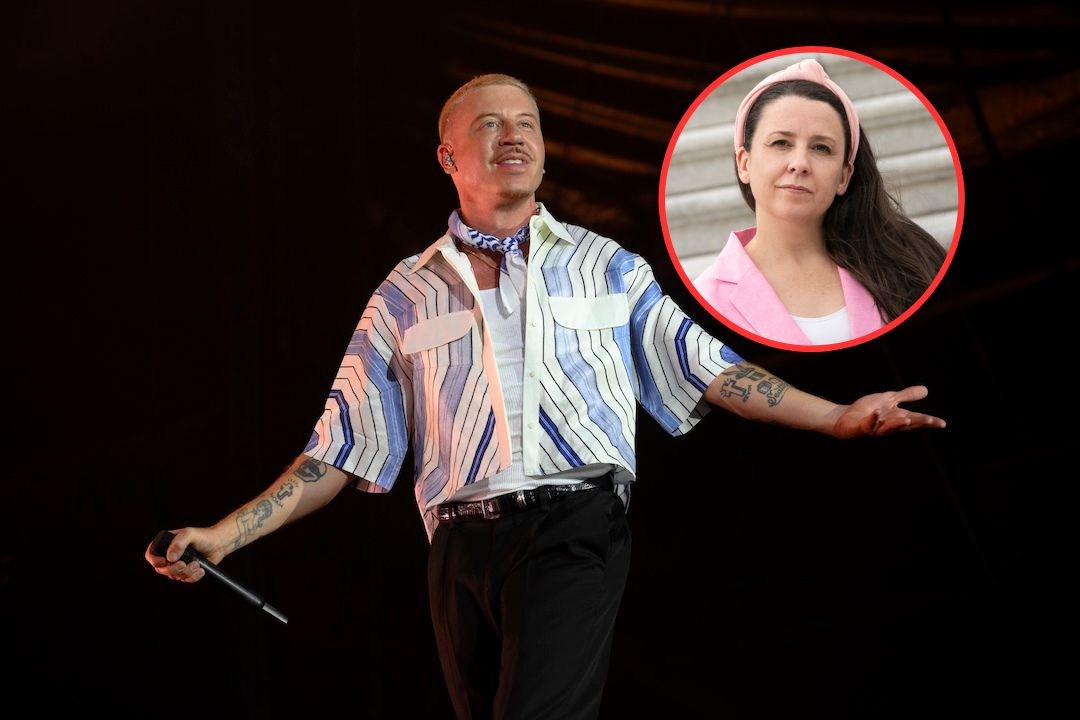
In the world of hip hop where beats and bars often steal the spotlight, sometimes moves behind the scenes make the biggest impact. The vibe was palpable when both Ms. Rachel and Macklemore stepped up to the plate with substantial donations to aid Palestine, each shelling out a cool million dollars. It wasn't just a headline-grabber; it was a statement that cut across the noise of an industry too often accused of being self-serving.
Now, if you're gonna talk about million-dollar donations, you'd better know the players. Macklemore, the Seattle rapper known for chart-toppers like "Thrift Shop," has been vocal about social justice. But Ms. Rachel? The kids' sensation on YouTube usually helping toddlers with their ABCs, showing up with that kind of cash was unexpected. But this was not a one-off move.
These charitable acts stem from a deeper place of responsibility felt by those in the limelight. A million dollars isn't just a casual wire transfer, it's a commitment, a bold stand on an issue that many avoid discussing publicly. And the impact is felt far beyond the dollar amount, echoing into the conversations about what it means to leverage fame for good.
So why Palestine? The region has been a hotbed of turmoil for decades, with overwhelming humanitarian needs. A donation like this draws attention back to an area where people are suffering daily, and it puts the donors in a position as advocates for change. For Macklemore, this move aligns with his history of tackling social injustices head-on. As for Ms. Rachel, it's a pivot that indicates she’s stepping into a broader role beyond children's entertainment.
The announcement carries weight, especially when you consider the industry's history around philanthropy. While plenty of artists engage in charity, high-profile donations often come packaged with album releases or as part of PR strategies. This wasn't one of those moments. It was pure intent. And the timeline felt it, as seen in the video below where Macklemore discusses the importance of giving.
It's crucial to glance back at the broader canvas of hip hop to see how these moves fit into the culture. Historically, artists from this genre have set the stage for advocacy and change. From Tupac's "Changes" to Nas's "I Gave You Power," the music often reflects a longing for justice. But when it comes to activism, the industry walks a tightrope, balancing between commercial interests and genuine impact.
That brings us to the industry's relationship with philanthropy. In a game where optics can mean everything, these donations directly challenge the norm. Instead of centering around a flashy campaign or photo op, Ms. Rachel and Macklemore's contributions were about making a real difference, with no album drop in sight. This departs from past trends where donations seem to serve dual purposes of goodwill and promotion.
The impact on the community is undeniable. A move like this forces conversations, not just in boardrooms but at kitchen tables. Folks in the hip hop sphere are talking about more than just the latest track, they're asking bigger questions about their role in global issues. And that’s a shift worth noting. It's not every day you see the layers of hip hop culture intermixing with international humanitarian efforts.
But let's not sugarcoat it; the industry's not pure as driven snow. There's a history of performative activism, where the dollar doesn't travel as far as the public thinks. The transparency in how these donations are allocated will be key in maintaining credibility. Are these funds reaching those in need, or are they getting caught in a web of bureaucracy? These are the questions the audience needs to keep asking.
The clip below captures Macklemore's passion and intent, offering a glimpse into his reasoning behind the donation.
One cannot forget the racial dynamics at play. Hip hop, a predominantly Black culture, stands uniquely positioned at the intersection of race and activism. When white artists like Macklemore handle these waters, it opens discussions about allyship and authenticity. Is this a genuine effort to stand in solidarity, or is it an attempt to buy legitimacy? The culture will keep a watchful eye.
Meanwhile, Ms. Rachel's involvement highlights something significant, the ability to transcend traditional boundaries. Her pivot from children's content to worldwide activism is a reminder that influence can be harnessed in unpredictable ways, challenging stereotypes about who stands up for what causes.
In a game where optics can mean everything, these donations directly challenge the norm.
So, what comes next? For starters, this could inspire others in the industry to reconsider their roles. Philanthropy might grow into a more genuine, less commercialized endeavor. We're also likely to see dialogues about how artists can continue contributing to causes that matter both locally and globally.
In the end, Ms. Rachel and Macklemore's donations aren't just numbers, they're catalysts. They challenge the community to think about how power and money can be used to effect real change. As these conversations unfold, the hope is that hip hop continues to evolve into a force that does more than entertain, it inspires and unites.
The ripple effects of these donations might just shape the next chapter of hip hop activism, turning the volume up on a stage where the world is already listening. Let's see if others will follow suit or if this will remain a unique moment of unprecedented generosity in an industry known for its complexities.
The post below from Ms. Rachel's Instagram reflects her commitment to the cause.