
Wu-Tang Clan Rock Hall Induction: Who Really Benefits?
By Marcus Ellison, PowerVault Staff Wu-Tang Clan entered the Rock & Roll Hall of Fame on Saturday, bringing Staten Island rap and Ol’ Dirty Bastard’s memory onto its stage. Chris Rock handled the induction, and the gr...
Advertisement

By Marcus Ellison, PowerVault Staff
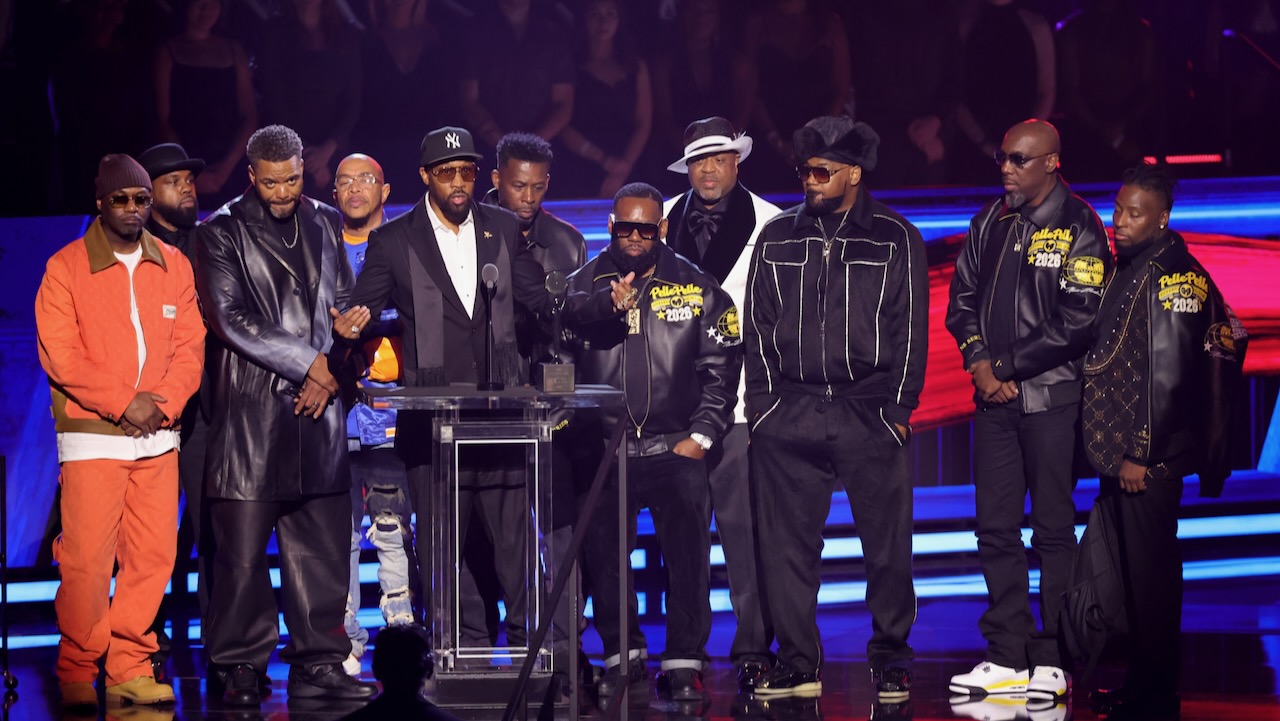
Wu-Tang Clan entered the Rock & Roll Hall of Fame on Saturday, bringing Staten Island rap and Ol’ Dirty Bastard’s memory onto its stage. Chris Rock handled the induction, and the group performed classics including “C.R.E.A.M. (Cash Rules Everything Around Me)” and “Shimmy Shimmy Ya.” The second selection carried particular weight as a salute to their late brother. For a group whose reach stretches from basement speakers to global merchandising, the honor belongs on the résumé. But the bigger conversation concerns what institutions recognize when they finally put rap in the building, and what listeners should demand beyond a standing ovation.
The ceremony report supplied to PVN places Wu-Tang in a class alongside Oasis, Phil Collins, Joy Division/New Order, Sade, Iron Maiden, Billy Idol, and Luther Vandross. That is a serious spread of musical influence, not a contest between supposedly respectable genres and rap. Wu-Tang, Vandross, and Collins were first-time nominees, although Collins previously entered with Genesis. The selection involved more than 1,200 artists, historians, and industry members, alongside a fan vote. Eligibility requires a first recording released at least 25 years earlier. That threshold measures time in circulation, not the depth of a catalog’s impact. Readers can find institutional background through the Rock & Roll Hall of Fame, but eligibility alone does not explain who gets recognized when.
RZA put the significance plainly during his remarks: “It’s proof of not only be recognized by our fans, but by the industry and other genres.” That distinction matters. Wu-Tang never needed a committee to establish its place in rap, but recognition outside that audience carries different access and visibility. It puts their work before people whose understanding of the group might otherwise stop at the logo on somebody’s shirt. RZA had wanted former President Barack Obama to induct the group, according to the supplied report. Obama was not there, and Chris Rock took the assignment instead. Nobody needs to turn that substitution into a rejection story without evidence. The first video accompanying the ceremony report appears below.
Method Man supplied the sharper acceptance speech line: “I want to thank everyone who believed in us… and for everyone who didn’t, you can kiss my inducted us.” The joke landed on a real tension. Artists can appreciate recognition without pretending the road toward it was smooth or universally supported. Acceptance does not require sanding the attitude out of the music that earned them the invitation. The performance choices made their own statement. “C.R.E.A.M.” puts money pressure at the center of the conversation, hardly an awkward subject for a music industry gathering. “Shimmy Shimmy Ya,” originally an Ol’ Dirty Bastard solo record, brought his individual contribution into the group celebration. His absence belongs in the story, not in a footnote.
Saturday’s recognition also stretched beyond Wu-Tang’s induction. Fela Kuti, Gram Parsons, Queen Latifah, MC Lyte, and Celia Cruz entered through the Early Influence category. Rick Rubin, Linda Creed, Arif Mardin, and Jimmy Miller received Music Excellence recognition. Ed Sullivan received the Ahmet Ertegun Award posthumously. Those categories should not blur the different work each honoree contributed, especially when Black artists helped build several musical traditions represented in the room. Latifah and Lyte deserve particular attention from rap listeners: women’s contributions cannot become background scenery just because another Hip Hop institution gets its moment. PVN’s coverage of Queen Latifah reflecting before her induction offers another connection to that wider celebration. The second video included with the source report follows below.
Wu-Tang’s history makes the business conversation unavoidable. Their 1993 debut, Enter the Wu-Tang (36 Chambers), arrived through Loud and RCA with a sound that refused to sand down its edges. RZA’s production, the rotating voices, and the martial arts references made a complete world. The group’s arrangement also left room for members to build solo careers across different labels. Method Man’s Tical arrived through Def Jam in 1994. Ol’ Dirty Bastard’s Return to the 36 Chambers: The Dirty Version followed through Elektra in 1995. That structure spread Wu-Tang’s presence across competing companies. A solo release could introduce listeners to another member while sending attention back toward the collective. Separate label homes did not mean separate cultural identities or disconnected audiences. Long before social platforms sold direct access as freedom, these artists were testing how collective identity could create individual leverage.
The institution gets a stronger history book, but the artists deserve more than better placement.
A trophy cannot tell an artist who owns the recording that made the trophy possible.
For the members, this honor should create room for the full story, not freeze them inside one debut album. Their individual careers, disagreements, creative risks, and continued performances belong to the record too. So does the labor required to keep a group identity alive across decades. Rehearsals, travel, scheduling, and the physical demands of performing do not disappear because the audience knows every word by heart. Fans can celebrate the achievement without demanding that every surviving member perform nostalgia forever. A farewell tour should mean something beyond a marketing phrase, even when occasional appearances continue. Respect includes allowing veteran artists to choose the scale of their work. The applause matters most when it recognizes people with agency, rather than treating them as a traveling collection of familiar hooks and logos.
For the industry, the useful question is whether recognition improves the terms available to the next group with an unfamiliar sound. A trophy cannot tell an artist who owns the recording that made the trophy possible. Master ownership, publishing rights, and touring income remain separate business questions. An advance is generally recoupable against the income specified in a contract, not free money. A distribution arrangement also differs from a traditional record deal, though either can carry restrictive terms. The details matter: contract length, rights granted, accounting provisions, and approval powers can shape an artist’s options long after release week. No ceremony settles those issues. PVN’s look at why Spotify wants Shai Gilgeous-Alexander’s ear connects to that same concern: attention has value, and companies compete to turn it into business.
For younger listeners, the assignment is listening past the most recognizable chorus. A short clip can introduce a record, but it cannot carry every verse, production choice, or connection between solo projects. “C.R.E.A.M.” rewards hearing how its verses approach the same money pressure from distinct lives. Ol’ Dirty Bastard rewards more attention than a compilation of outrageous moments. His timing and vocal choices were musical decisions, not merely personality. Hear how he stretches a phrase, interrupts an expected rhythm, or makes a rough vocal texture become the record’s main attraction. Listeners raised on streaming can pull up those albums immediately, which is a real advantage over hunting down an unavailable release. The challenge is using that access deliberately. Knowing the logo and knowing the music should never become interchangeable credentials.
Race and class sit underneath this celebration because Black working-class expression often becomes safer to institutions after it becomes profitable history. That is an editorial judgment, not evidence that any particular voter acted from prejudice. Wu-Tang made records about survival, ambition, confinement, and money without asking permission to sound polished. Once that work becomes heritage, the temptation is to celebrate its style while avoiding its conditions. A display can reproduce an album cover perfectly and still tell listeners almost nothing about the pressures described inside it. Museums and award shows should resist that bargain. Credit producers, explain the neighborhoods, name the labels, and preserve the uncomfortable material alongside the hits. Otherwise, institutions can sell the authority of Black creativity while stripping away the economic arguments that gave the records their force.
Advertisement
Next comes another enormous platform. According to the supplied report, Wu-Tang’s Final Chamber Tour wrapped in October, and the group will headline halftime at Detroit’s Thanksgiving Day game against Chicago. A football broadcast brings different time limits and a broader audience than a dedicated concert. Watch which songs get space, how Ol’ Dirty Bastard is honored, and whether the presentation treats the group as living artists rather than a familiar soundtrack. The Rock Hall moment can send new listeners toward the catalog, but the ceremony cannot do their listening for them. Give Wu-Tang their flowers, then learn what grew them.
More from PowerVault Network:
