Yella Beezy Trial Delayed: A Deep Dive into the Mo3 Murder Case and Its Impact
By Tanya Brooks, PowerVault Staff On a chill Texas evening, Mo3 was gunned down on I-35, leaving a palpable void in the Dallas rap scene. Fast forward to today, and Yella Beezy, a name entangled in the narrative of Mo...
By Tanya Brooks, PowerVault Staff
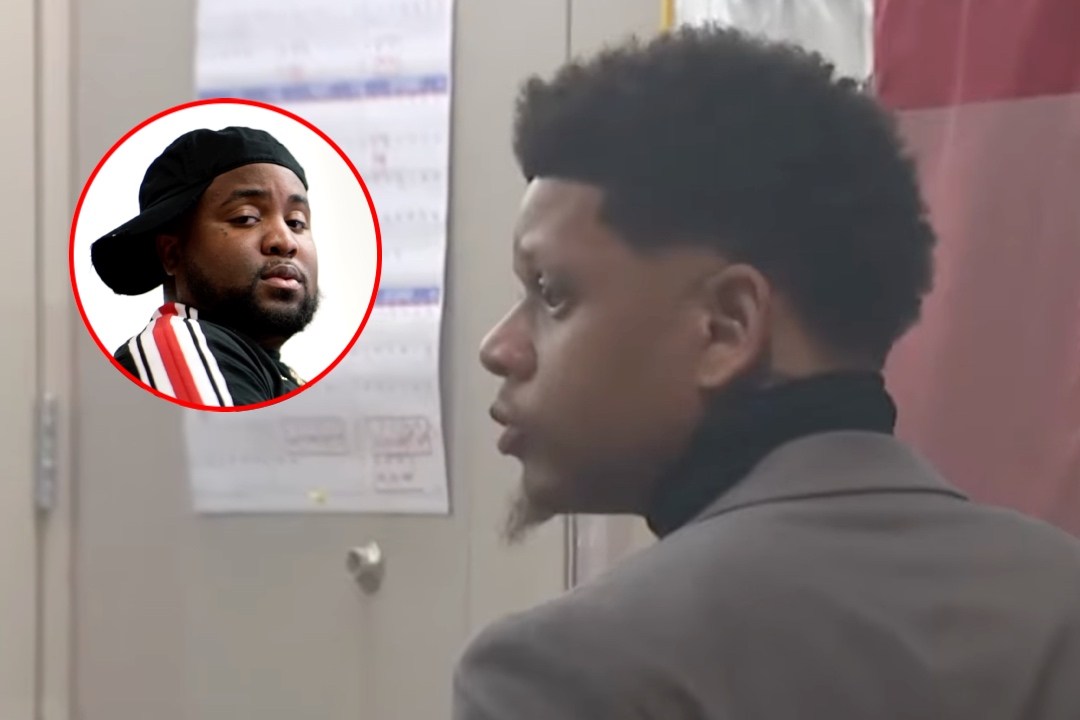
On a chill Texas evening, Mo3 was gunned down on I-35, leaving a palpable void in the Dallas rap scene. Fast forward to today, and Yella Beezy, a name entangled in the narrative of Mo3’s demise, is back in the news. Legal proceedings that were supposed to bring clarity and perhaps closure have been punted down the calendar yet again. Yella Beezy’s trial, once anticipated to explain the murky details surrounding Mo3's murder, has been postponed until October. This development has fans and followers of the case reeling, as they speculate about the implications and what it says about the justice system.
The streets don't forget, and they certainly haven't forgotten Mo3. The Dallas rapper, known for his melodic flow and candid storytelling, was tragically killed in November 2020. Since then, the hip hop community has been seeking justice and answers, and Yella Beezy's name has repeatedly come up, not because of direct ties to the murder, but due to past beefs and misunderstandings that have fueled speculation.
The delay in Beezy's trial is enough to stir up whispers and theories. For those who breathe hip hop, it’s another chapter in a book that seems to never end. The rescheduling of the trial raises questions not just about the legal proceedings, but about the intertwined paths of these two artists who both hail from Dallas, a city with its own complex hip hop history.
The clip that set the timeline off is below.
Yella Beezy and Mo3 were both pivotal figures in the Dallas scene, each with unique styles but similar backgrounds of struggle and hustle. Their music was their voice, and their lyrics spoke volumes about their lives and experiences. Yet, like many before them, they found themselves entangled in beefs that the media loved to exploit. While Mo3's music often touched on the realities of street life, violence, and pain, Yella Beezy offered a more polished sound, often celebrating success and ambition. But for those looking from the outside, it was easy to paint their rivalry as just another chapter in the ongoing saga of hip hop conflicts.
From 50 Cent and Ja Rule, to Tupac and Biggie, hip hop beef has long been a driving narrative in the genre. It sells records, sure, but it also has real-world consequences. For Mo3 and Beezy, their alleged beef, though not confirmed as a direct cause of Mo3's death, is a reminder of the stakes involved when art imitates life a little too closely. The trial's delay highlights the never-ending cycle of anticipation and disappointment that's become all too familiar for fans seeking justice in the hip hop world.
She addressed it head on in the post below.
As fans await the trial, the broader implications for the industry are clear. Legal proceedings involving artists aren't just about the individuals, they reflect the industry’s deeper issues. The question arises: How do we balance the commercial exploitation of conflict with the personal and communal costs? The courtroom drama has real consequences, both for the legacies of the artists involved and for the communities they represent.
This isn’t just about what happened on that fateful day in 2020, it's a microcosm of the systematic problems within the music industry and the justice system.
To understand the gravity of the situation, we have to look at the history of rap feuds and their tragic outcomes. The deaths of Tupac Shakur and The Notorious B.I.G. In the late ‘90s were watershed moments for hip hop, not just because they lost two icons, but because it forced the industry to confront its role in fueling these feuds. Fast forward to today, and it's clear not much has changed. The media often sensationalizes beefs without acknowledging the cultural and social dynamics that underpin them.
In the court of public opinion, Yella Beezy has faced a barrage of scrutiny. Yet, it’s crucial to remember the principle of being innocent until proven guilty, something that gets muddied by media narratives and internet speculation. The delay in his trial only exacerbates this, leaving more time for rumors and assumptions to spread unchecked.
Yella Beezy himself has been on a tumultuous ride through the legal system, with prior arrests and accusations complicating his public image. But should one man’s legal troubles define his art or his entire story? The industry is quick to latch onto controversy, yet slower to champion the full arc of redemption or growth.
For the community, this isn’t just another headline. It's a reminder of how systemic issues like poverty, lack of opportunity, and institutional bias shape the narratives of these artists. Mo3 and Yella Beezy are more than just rappers, they are products of their environments, handling the treacherous waters of fame, societal pressure, and personal demons.
He addressed the post below.
Looking forward, the community’s hunger for justice for Mo3 remains fervent. The trial will eventually commence, and with it, perhaps, a semblance of closure for Mo3's family and fans. But the bigger picture, the one involving the industry's role in these stories, requires ongoing dialogue and action. This isn’t just about what happened on that fateful day in 2020, it's a microcosm of the systematic problems within the music industry and the justice system.
As we wait, it’s crucial for the hip hop community to continue amplifying voices that call for change, accountability, and healing. Because at the end of all the charts, awards, and beefs, it’s about the culture, the people, and the stories that make hip hop a force to be reckoned with. The resolution of Yella Beezy's trial will mark another chapter, but the book on hip hop’s social and legal entanglements is far from closed. Stay tuned, stay aware, and most importantly, keep questioning.