YNW Melly's Double Murder Retrial: Livestream Insights and Legal Drama Unfold
By Simone Walker, PowerVault Staff The air in Broward County, Florida, buzzes with tension as the court prepares for a case that's already gripped the public's imagination. A sense of deja vu fills the room, where the...
By Simone Walker, PowerVault Staff
The air in Broward County, Florida, buzzes with tension as the court prepares for a case that's already gripped the public's imagination. A sense of deja vu fills the room, where the future of a young rapper hangs in balance once again. It's a scene that feels like a sequel, but the stakes are as high as ever. The courtroom is not just a place of justice today; it's the stage for a saga that began on the streets, with YNW Melly's rise from the local circuit to national fame. His story found its way into the homes of millions through streaming platforms, with tracks that resonated deeply with fans who now watch his legal drama unfold with bated breath.
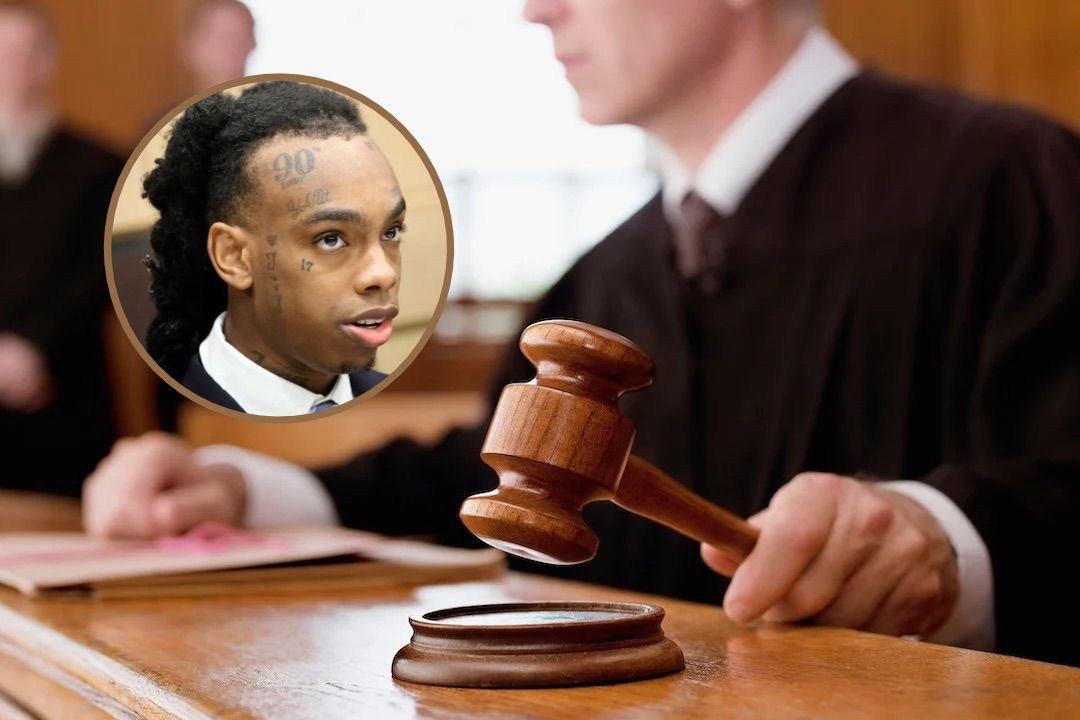
YNW Melly, the rapper born Jamell Demons, is stepping back into the courtroom for a retrial over double murder charges that have followed him like a shadow. These charges have been a dark cloud over his career, threatening to overshadow the talent that put him on the map. According to documents procured by XXL, the judge has greenlit the livestreaming of jury selection, drawing eyes already glued to this high-profile spectacle. It's more than just a legal proceeding; it's a drama that unfolds under the watchful gaze of not only the law but the public eye, as Judge Martin S. Fein navigates the complexities of an emotionally charged and widely publicized case. Every move, every decision, is scrutinized, as Melly's fate hangs in the balance.
The specifics of the retrial have been tightly controlled, with Judge Fein ordering the summoning of 500 potential jurors, screening them in batches for availability. It's a meticulous process, aimed at ensuring fairness in a case that has been anything but straightforward. From this pool, a final panel of 60 prospects will be chosen, a process that will unfold live for the world to see. Yet, this decision isn't without its controversies. Fein's recent administrative order points to past disruptions from inappropriate interactions between jurors and the public, fueling the need for heightened security and privacy during these preliminary stages. The objective is clear: protect the integrity of the trial while balancing public interest.
In the past trial, the courtroom atmosphere was tainted by attempts at 'inappropriate communication' between jurors and outsiders, a factor that Fein is determined to mitigate this time around. These disruptions not only jeopardized the fairness of the proceedings but also put the safety and security of all involved at risk. Measures have been set to exclude the general public from the live proceedings, instead opting to broadcast the selection process to a separate courtroom, ensuring safety and order. It's a delicate balance of transparency and protection, as these initial steps commence with the stakes remaining high, both for Melly and for a system of justice under scrutiny. The eyes of the world are watching, and there's no room for error.
This case isn’t just about the law; it's a narrative woven tightly with elements that speak to broader societal dynamics. YNW Melly's legal team isn't backing down, either. They've filed motions to suppress evidence obtained through social media and other digital platforms, arguing that the evidence was gathered under questionable legality. This is more than a legal strategy; it's a stand against what they perceive as an overreach by law enforcement, using the very tools of modern communication against the artist. As the defense seeks to dismantle the prosecution's case, the courtroom drama intensifies, making it one to watch closely. It's a battle not just for Melly's freedom, but for the principles of privacy and justice in the digital age.
YNW Melly's case is not isolated; it echoes other high-profile legal battles that have played out under public scrutiny. Think of Lil Wayne's run-ins with the law, where his celebrity status both protected and endangered him, or the contentious trials surrounding Tekashi 6ix9ine, whose courtroom appearances became a media circus. In 2019, Tekashi's court appearances were a media spectacle, much like Melly's current ordeal. It's a pattern where the hip-hop community and legal system clash, often exacerbated by the relentless eyes of social media and the pressures of public opinion. These cases highlight the unique challenges artists face when their art and personal lives intersect with the law, placing them under a microscope that can be both a shield and a sword.
But beneath the surface, the courtroom isn't just a place of law; it's a battleground for public perception and legal maneuvering.
The courtroom isn't just a place of law; it's a battleground for public perception and legal maneuvering.
For YNW Melly, this retrial is more than a fight for freedom. It's a chance to reclaim a narrative overshadowed by allegations and media frenzy. The rapper's journey through the legal system could redefine his career, determining whether he walks free or serves time. Each day in court is a new chapter in a story that could either see him returning to the studio or facing years behind bars. What plays out in court could be his redemption arc or a cautionary tale for rising stars about the perils of fame and legal pitfalls. This trial is a turning point, not just for Melly, but for any artist on the brink of stardom, reminding them of the thin line between success and scandal.
For the music industry, Melly's retrial offers a glimpse into the complex relationship between hip-hop culture and the legal system. Doechii, another rising talent, is redefining Black womanhood in hip-hop, and Melly's case highlights how the genre often finds itself at odds with societal norms and judicial frameworks. The tension between artistic expression and legal boundaries is palpable, raising questions about whether artists are being unfairly targeted, or if this is an inevitable intersection of art imitating life. As hip-hop continues to push cultural boundaries, the legal system's response will shape the future of the genre and its ability to speak truth to power.
The audience is left with much to ponder. For fans and followers, cases like Melly's serve as a stark reminder of the fine line between admiration and the harsh realities of the artist's world. The story reflects on the community's relationship with its icons, how quickly they are celebrated and how swiftly they can fall from grace. It's a tale of caution, where the same voices that lift an artist up can just as easily contribute to their downfall. It forces a reflection on how the culture rallies in moments of adversity, proving that while the road to success is paved with challenges, it's the community's support that can make or break an artist. This case is not just Melly's to bear; it's a collective journey.
This is more than about one man's fight. It's about the structures that govern the community, the biases in legal practices, and the class struggles that often compound these issues. The justice system is a complex web that doesn't always catch everyone equally, and not everyone gets a fair shot when systemic inequalities are at play. The social dynamics aren't just a backdrop; they dictate the rhythm of what unfolds inside those courtrooms. It's a narrative of power and privilege, where the stakes are highest for those who challenge the status quo. Melly's retrial is a microcosm of the larger societal issues at play, shining a light on the need for reform and the pursuit of true justice.



