Young Thug's YSL Trial to Be Explored in Netflix Documentary: What to Expect
By Jasmine Reed, PowerVault Staff Atlanta has always been the heartbeat of Southern rap, but on a recent Tuesday, the city's soul was laid bare in a new way. The YSL trial, featuring none other than Young Thug, is set...
By Jasmine Reed, PowerVault Staff
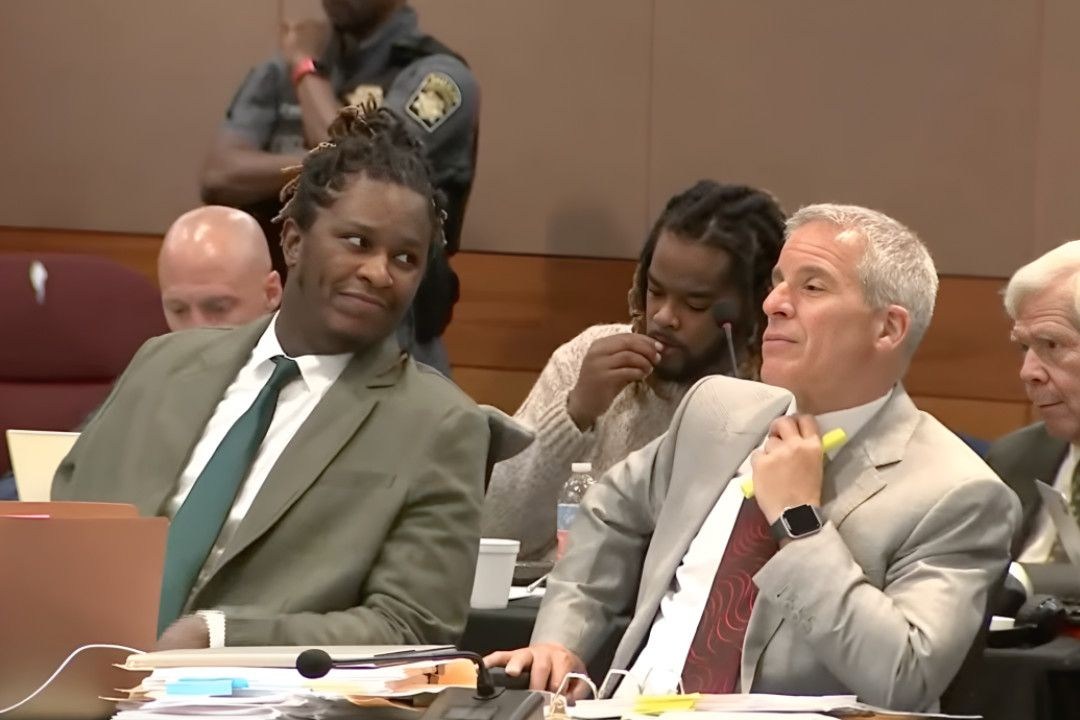
Atlanta has always been the heartbeat of Southern rap, but on a recent Tuesday, the city's soul was laid bare in a new way. The YSL trial, featuring none other than Young Thug, is set to be immortalized in a Netflix documentary slated for release in 2027. This is more than another rap story. This is the trial that grabbed the city's attention and had everyone from the block to the boardroom talking. Judge Paige Whitaker dropped this bombshell during an interview on Class E's YouTube show, revealing a side of Hip Hop's intertwining with the judicial system that's rarely seen.
Judge Whitaker, who has played a pivotal role over the course of this high-profile trial, casually let slip the news of the upcoming documentary during an episode of What You Need to Know. The documentary, a collaboration between Netflix and Passion Pictures, will get into the intricate and controversial trial of Young Thug, whose real name is Jeffery Williams. This case has captivated not just fans but the entire music industry, given its potential to reshape how we view the intersection of rap and the law. Whitaker noted that due to an exclusivity clause, further insights would remain under wraps until the documentary's release, leaving fans and the media hungry for more. The cultural significance of this announcement is only amplified by the media's fascination with Thugger's legal battles and the broader implications it has for Hip Hop’s ongoing dialogue with legal authorities.
Social media buzzed with excitement as Kurrco dropped new tidbits about the documentary, sparking a wave of discussions across platforms. The post on X revealed that this 90-minute feature will be directed by Shianne Brown, a filmmaker known for her ability to weave intricate and compelling narratives. The documentary aims to explore the tumultuous journey of Young Thug and his crew, offering a close look into the attempts to frame YSL as a criminal street gang. The narrative promises a mix of high drama and farce, capturing the complex clash between music, crime, and authority that has kept fans and critics alike on the edge of their seats. This post ignited further discourse, as it not only highlighted the ongoing legal challenges faced by Hip Hop artists but also underscored the cultural significance of YSL’s story.
As we dive deeper into what’s known so far, this isn’t just a story about Young Thug. It’s a profound exploration of culture, struggle, and the enduring impact of rap music as a voice for the marginalized. The documentary’s director, Shianne Brown, is no stranger to crafting compelling narratives that resonate deeply with audiences. Her previous work has shown a keen ability to portray complex characters and situations with authenticity and depth. With her at the helm, expect a raw, unfiltered look at how the judicial system often portrays young Black men in the music industry, shedding light on the systemic biases that permeate these spaces. This film promises to be a lens into the harsh realities faced by these artists, offering audiences a chance to witness the often unseen challenges of handling fame in a world that remains skeptical of their success.
The YSL saga is no stranger to public attention. For those who have been following, this trial is akin to a gripping episode of your favorite drama, with the stakes at an all-time high. It’s a story about music, but it’s also a tale of survival, brotherhood, and the hurdles of handling fame while staying true to one's roots. The courtroom has become a stage where the personal and professional lives of those involved are laid bare for all to see. Judge Whitaker’s full interview provides more context to this narrative, painting a picture of a trial that has ramifications far beyond the courtroom. It’s a reflection of a society grappling with its perceptions of Hip Hop culture, and the documentary aims to capture this tension in a way that is both engaging and thought-provoking.
The saga of Young Thug and YSL is reminiscent of other high-profile cases where Hip Hop artists found themselves entangled with the law, often facing scrutiny that feels as much about their art as any alleged crime. In 2003, the trial of The State of New York vs. Sean Combs was a watershed moment, altering the scene for artists dealing with legal systems and highlighting the racial and cultural biases that exist within them. Fast forward to 2019, and Tekashi 6ix9ine's trial brought to light similar themes, with gang affiliations being scrutinized under the judicial microscope as if rap lyrics were confessions. These events underline a persistent pattern where rap music and the lifestyles it represents are often put on trial in courts, raising questions about freedom of expression and the role of cultural context in legal proceedings. The YSL trial stands as the latest chapter in this ongoing narrative, challenging both the industry and society to reconsider how they view and treat these artists.
Yet, this is more than another courtroom battle. It’s a narrative where music and art are constantly under suspicion, seen as potential tools of criminal enterprise rather than expressions of culture and resilience.
The forthcoming documentary is more than a recap, it’s a lens into how Hip Hop is constantly under surveillance.
From a cultural standpoint, the forthcoming documentary is more than a recap, it’s a lens into how Hip Hop is constantly under surveillance, both literally and figuratively. This trial, like many before it, challenges the industry's dynamics, exposing the underlying prejudices that musicians of color face every day. It serves as a stark reminder of the systemic hurdles that persist for artists like Young Thug, who are continuously judged by laws that were not designed with them in mind. The documentary seeks to explore these themes, offering a critical examination of how the legal system interacts with cultural phenomena it doesn't fully understand. By shining a light on these issues, the film has the potential to foster a greater understanding of the systemic challenges faced by Black artists and the resilience required to overcome them.
For the music industry, this documentary could be a blessing and a curse. On one hand, it shines a light on the harsh realities of legal scrutiny faced by Hip Hop artists, who are often targeted more for their personas than their actions. On the other, it may reinforce the stereotypes that Hip Hop is a breeding ground for crime, a narrative the industry has long fought against. This is more than about YSL; it's about how the industry must handle its relationship with the law, often dictated by stigma and bias that threaten to overshadow the artistic contributions of its creators. The documentary has the potential to influence public perception, either challenging or reinforcing existing prejudices, and it’s up to the filmmakers to ensure that it does justice to the complexity and significance of the issues at hand.
For the audience and community, this documentary offers a chance to see beyond the headlines that often reduce complex stories to sensationalist soundbites. It’s an invitation to understand the complex relationship between Hip Hop and society, a relationship that is fraught with tension but also rich with potential for dialogue and change. As fans, it’s our responsibility to demand narratives that empower rather than diminish our heroes, recognizing the role that media plays in shaping public perception. Young Thug's story is one of innovation, influence, and unfortunately, the cost of visibility in an industry that often values drama over depth. This documentary could be a turning point for Hip Hop, offering a more complicated understanding of the challenges and triumphs that define the genre.



