As the world of comic books continues to evolve with its ever-expanding universe, a new character is stirring up discussions and debates among fans, particularly in the Black community. Enter Ketema, the white son of T’Challa, who is set to make his debut in the comics. For many, this development raises an eyebrow and a multitude of questions—most notably, could Hollywood be ready to embrace this character in its big-budget adaptations? The legacy of Black Panther has always been steeped in pride and identity, so the thought of a ‘white’ Black Panther has sparked conversations that go beyond the pages of comic books and into the heart of cultural representation.
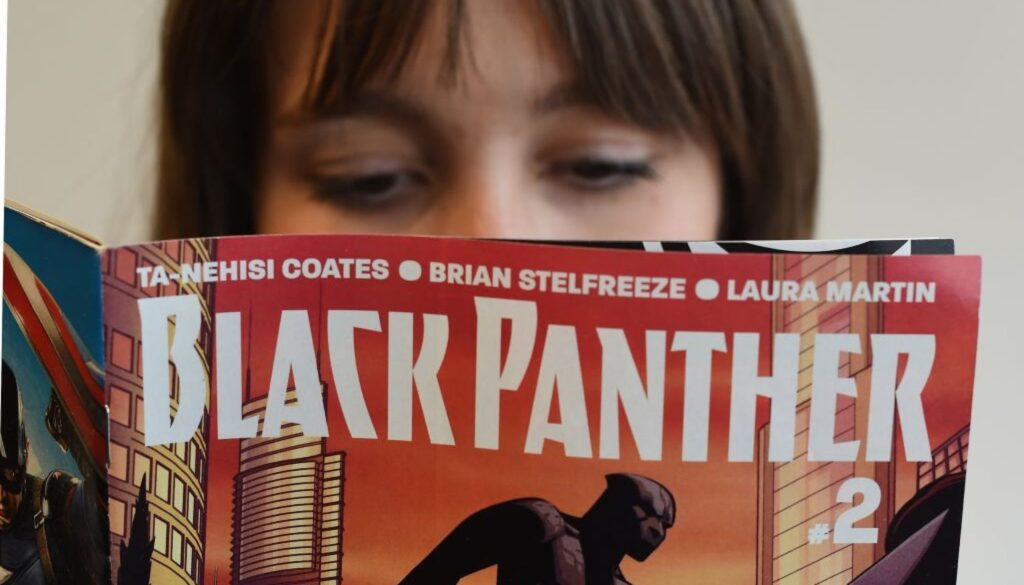
Black Panther, as created by Stan Lee and Jack Kirby in the 1960s, transcended traditional superhero tropes, offering a powerful narrative that centered on African culture, identity, and resilience. The film adaptation, directed by Ryan Coogler, served as a cultural touchstone, uniting audiences with its rich storytelling and representation of Black excellence. With Ketema’s introduction, some fans are concerned that Hollywood might be tempted to dilute this narrative in favor of mainstream appeal, possibly putting a white character in the spotlight while overshadowing the core themes that made Black Panther so groundbreaking. What does it mean for a Black superhero to have a white counterpart, especially one who could potentially occupy the same mantle?
Amid the ongoing debates about representation and authenticity, one can’t help but wonder how this upcoming character will be received. Will audiences accept a white character bearing the name Black Panther? It’s essential to acknowledge that comic book lore is often fluid and filled with iterations of characters that can bend genres and boundaries. Yet, the question remains: can a character so intertwined with Black culture and history genuinely resonate if adapted to be white?
The intersection of comics and cinema is a space where creativity often clashes with cultural integrity. While Ketema’s storyline might explore interesting dimensions of legacy and identity, the risk of alienating the very fans that have championed Black Panther’s importance in the first place is a significant concern. As we await more news from Hollywood regarding how they might tackle this character, it’s crucial for fans to engage critically in the conversation, highlighting the importance of representation in media and ensuring that any further adaptations do justice to the cultural significance of Black Panther. The legacy of T’Challa deserves a thoughtful continuation, one that honors its roots while navigating the complexities of a new generation.
About The Author