Diddy Reportedly Readies $1 Billion Netflix Lawsuit Over New Doc
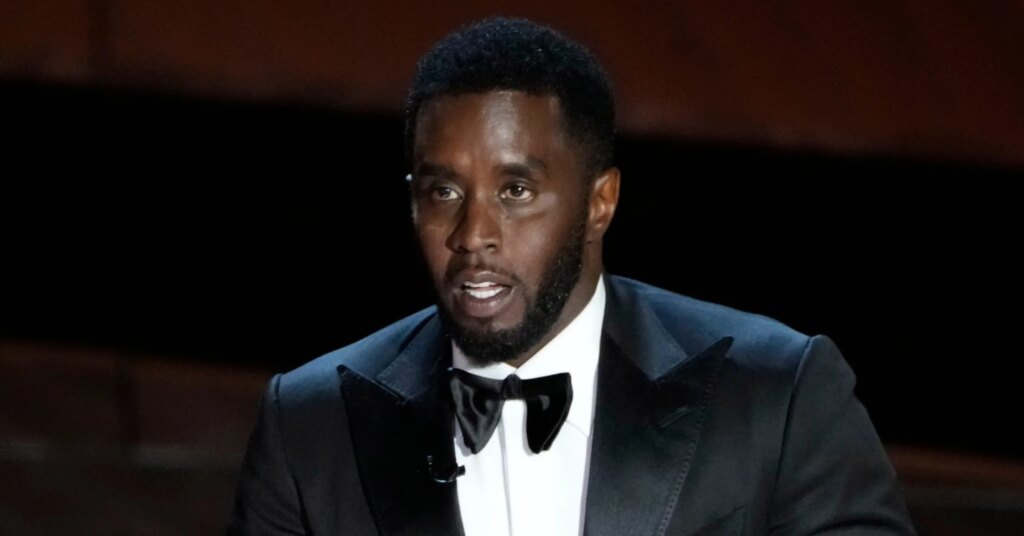
It has been simply over every week since Sean Combs: The Reckoning hit Netflix. Allegedly, the mogul is already getting ready to fireplace again. Media Take Out completely studies that Diddy and his household are allegedly readying an enormous defamation lawsuit in opposition to the streaming big over the 50 Cent-produced docuseries.
“This documentary was made to assassinate his character. It isn’t journalism — it’s leisure,” one supply alleges. Allegedly, Diddy has employed one of the crucial highly effective regulation companies in america, and plans to hunt not less than $1 billion in damages. Per the supply, that quantity might allegedly go up if Netflix fails to retract sure accusations.
This newest replace does not precisely come as a shock. Diddy’s staff has already made their emotions on the doc identified.
“Netflix’s so-called ‘documentary’ is a shameful hit piece. Immediately’s GMA teaser confirms that Netflix relied on stolen footage that was by no means licensed for launch,” they alleged in a press release shared with The Hollywood Reporter earlier this month. “As Netflix and CEO Ted Sarandos know, Mr. Combs has been amassing footage since he was 19 to inform his personal story, in his personal means. It’s basically unfair, and unlawful, for Netflix to misappropriate that work.”
50 Cent Diddy Documentary
Sean Combs, photographed in his NYC studio in 2001.
“It’s equally staggering that Netflix handed inventive management to Curtis ‘50 Cent’ Jackson — a longtime adversary with a private vendetta who has spent an excessive amount of time slandering Mr. Combs,” Diddy’s staff continued. “Past the authorized points, this can be a private breach of belief. Mr. Combs has lengthy revered Ted Sarandos and admired the legacy of [Sarandos’ late father-in-law] Clarence Avant.”
“For Netflix to offer his life story to somebody who has publicly attacked him for many years appears like an pointless and deeply private affront,” they concluded. “At minimal, he anticipated equity from individuals he revered.”
About The Author