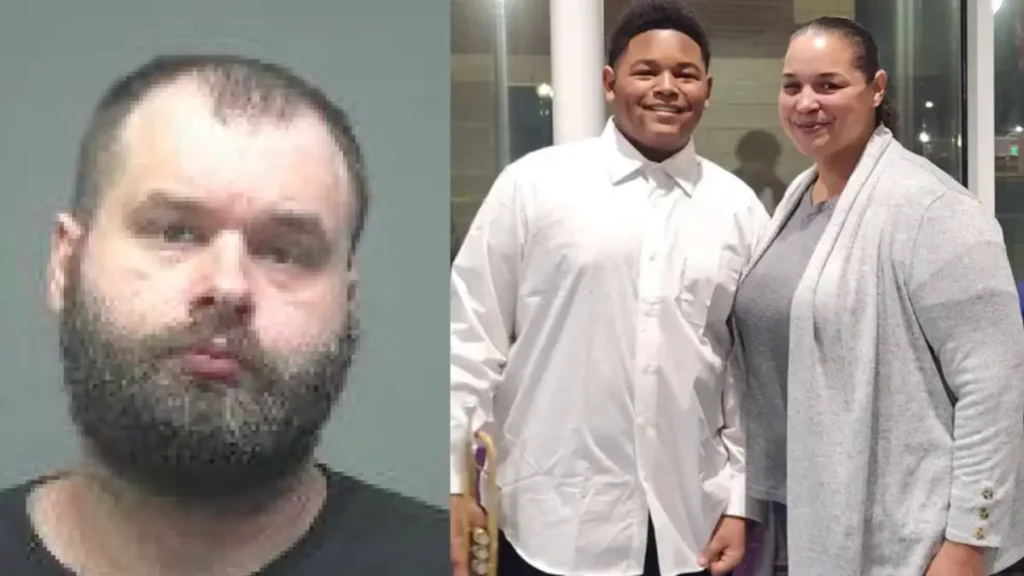
We’re living in a world where the smallest disagreements escalate into the most horrific tragedies, and the recent incident in Ohio is a stark reminder of that chilling reality. An argument over a parking space turned deadly, costing the lives of a mother and her 12-year-old son. This wasn’t just an isolated incident — it’s a symptom of deeper issues simmering beneath the surface in our communities, a desperate call for change and understanding.
The accused, now behind bars with a staggering $3 million bond, allegedly pulled the trigger in a fit of rage, leaving no room for reason. We’ve all experienced moments of frustration, but to let something as trivial as parking ignite such violence is unfathomable. It’s a hard truth, but we have to confront the fact that our society often chooses anger over dialogue, fists over words. This tragic event starkly underscores how quickly life can be snuffed out, how a moment’s impulse can alter lives forever.
The surviving passenger was fortunate — a misfire saved their life, but what kind of trauma will they carry from witnessing such violence? This is the real cost of gun violence, where one person’s rage can ripple through families and communities, leaving wounds that take generations to heal. We have to ask ourselves: what are we doing to address the root causes of this anger? How are we fostering more constructive environments where disputes can be resolved peacefully?
We can’t ignore the context here. This isn’t just about one man’s violent outburst; it reflects systemic issues that plague not only Ohio but cities across America. The normalization of violence as a response to conflict, the accessibility of firearms, and the continuous cycle of trauma all play a role in these heartbreaking outcomes. As a community, we have to reclaim our narratives. We need to invest in conflict resolution and mental health initiatives that can help us break the cycle.
Let this tragedy serve as a wake-up call. It’s time to come together, to have those uncomfortable conversations about anger, safety, and the collective responsibility we share in preventing futures like this one. We owe it to every child, every parent, and every member of our community to ensure that disputes don’t end in loss, but rather in understanding. Let’s not just mourn the lives lost — let’s fight for a future where such loss is a memory, not a reality.
From The Source
About The Author