The Republican Party is experiencing a significant decline in its presence among Black voices, a trend deeply tied to former President Donald Trump’s inability to convert endorsements into meaningful support from Black voters. Despite the GOP’s efforts to showcase Black conservative candidates, the reality remains that many of these leaders struggle to resonate with the very demographic the party is eager to engage.
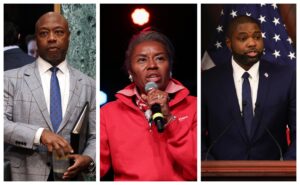
The MAGA movement often touts its support for Black conservatives, presenting them as examples of the party’s commitment to diversity. However, the disconnect between the party’s endorsements and actual voter turnout is alarming. Candidates like Tim Scott and others have received national spotlight and rallying cries from Republican leaders but find themselves lacking the grassroots support necessary to make a real impact within Black communities.
Critics argue that the GOP’s approach to engaging with Black voters is superficial at best. The party often focuses on the optics of diversity rather than addressing the systemic issues that affect Black lives. This has left many potential Black voters feeling alienated, perceiving the GOP as out of touch with their realities and struggles.
Furthermore, many Black conservatives face challenges from within their own communities, where allegiance to the Democratic Party runs deep. The GOP’s failure to present a compelling alternative or to adequately address the concerns of Black voters has created a leadership vacuum. As influential figures exit or become disillusioned, the party risks losing any remaining credibility in these crucial demographics.
As we approach the next election cycle, it’s imperative for the GOP to reassess its strategies. Real engagement with Black voters requires more than just highlighting a few candidates; it demands listening, understanding, and addressing the issues that matter most. If the party hopes to turn its endorsements into votes, it must cultivate genuine connections with the Black community.
About The Author