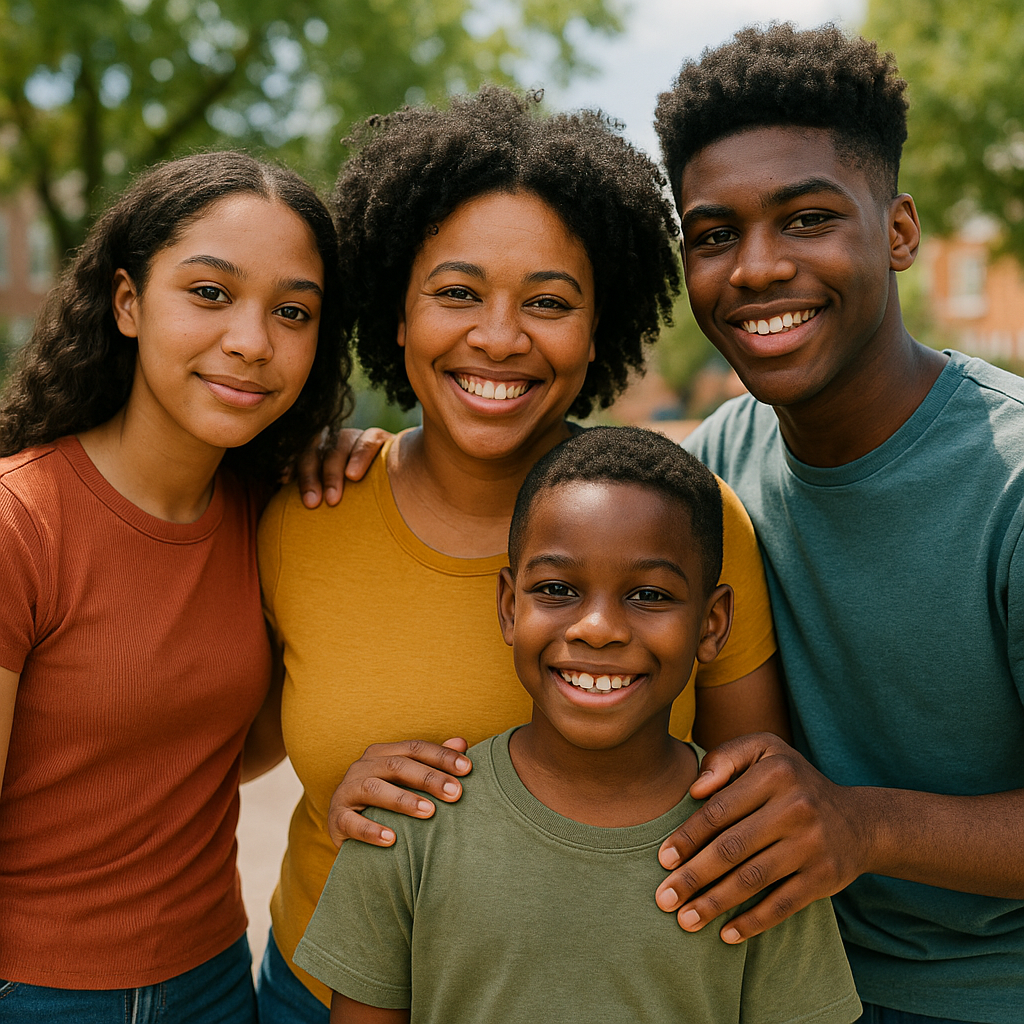
In a world where our children are often seen through a lens of suspicion rather than innocence, we face a harsh truth: our Black children are frequently treated like adults, stripped of their childhood in the process. This isn’t just a societal oversight—it’s a systemic issue that dehumanizes our youth, causing them to bear the weight of adult injustices far too early.
When we think about childhood, we envision carefree days filled with laughter, learning, and growth. Yet, for many Black families, reality is different. From the moment our children step outside, they encounter a world that views them as threats instead of kids. Studies have shown that Black children, even as young as 10 years old, are perceived as older and less innocent than their white counterparts. This perception leads to harsher discipline in schools, disproportionately high rates of incarceration, and a general loss of the carefree nature of childhood.
We see it in the media, where the narratives surrounding our children often focus on their skin color rather than their potential. Just think about the headlines that precede reports of incidents involving young Black children: they are labeled as ‘teen suspects’ or ‘gang members’ instead of the children they are. Such portrayals not only affect how society views them but also shape how our children see themselves. They absorb the message that simply existing in their skin is a crime, and carry that burden into adulthood, impacting their mental health and sense of self-worth.
Moreover, this unfair treatment extends into the educational system. Teachers and administrators often respond to our children with skepticism and bias, punishing them more severely than their peers for behaviors that might be overlooked in others. We know our children can thrive in nurturing environments, but when they are viewed as adults, they lose the opportunity for that vital support, leaving them to fend for themselves in a system that is already stacked against them.
As a community, we must stand together to advocate for our children. We need to call out these injustices when we see them and demand recognition of our children’s humanity. We should push for educational reforms that foster understanding rather than punishment and challenge the societal narratives that age our children prematurely. It’s time to reclaim childhood for our Black youth, to give them the space to grow, learn, and play without the shadow of adult prejudice looming over them.
In a society that rushes to dim the light of our children, we must be the ones to protect it. Because in nurturing their youth, we are not only shaping their future but also reclaiming our communal dignity. How long will we let the world steal their childhoods before we demand the respect and recognition they deserve?
About The Author