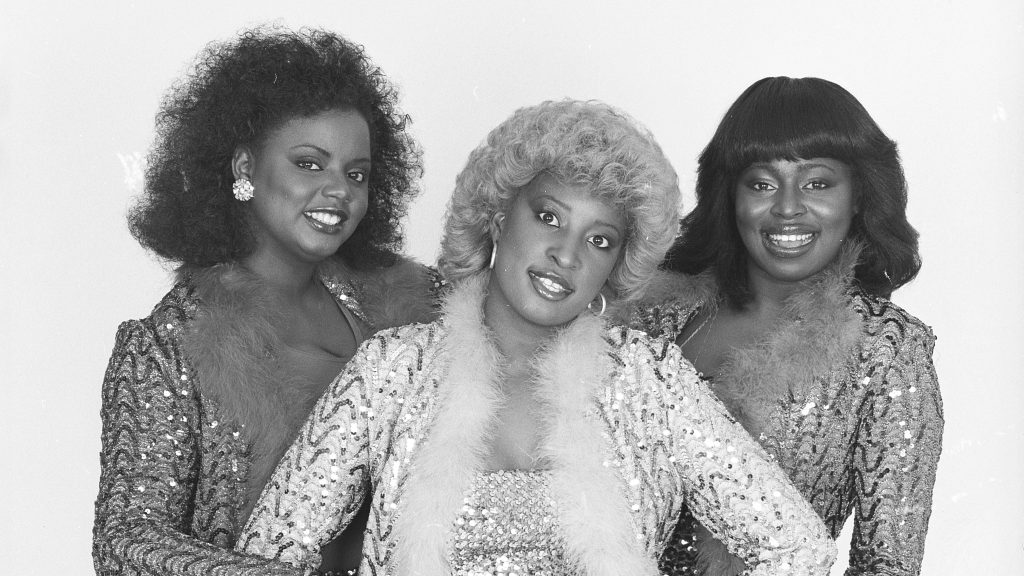
We’re reeling from the news of Gwendolyn “Blondy” Chisolm’s passing at 66, a true pioneer whose impact on hip-hop and R&B cannot be overstated. As a co-founder of The Sequence alongside Cheryl “The Pearl” Cook and Angie Stone, Blondy didn’t just contribute to the sound of our generation; she helped shape it. Their 1979 hit “Funk You Up” is a classic that laid the groundwork for countless artists who followed, showcasing the undeniable power of Black women in music.
Blondy’s influence transcended the charts. She, along with her talented sisters, broke barriers in a male-dominated industry at a time when female voices were often sidelined. The Sequence didn’t just make music; they created a movement. They infused their work with the essence of Black culture, blending rap with funk and R&B in a way that spoke directly to our experiences. When we listen to “Funk You Up,” we hear not just a song, but a call to celebrate our rhythm and resilience.
It’s crucial to remember that Blondy and her crew weren’t merely entertainers; they were trailblazers who paved the way for later generations of artists. Their courage to express their identity and artistry opened doors for women like Queen Latifah, MC Lyte, and countless others who would come to dominate the scene. In a world that often tries to silence our voices, they roared with unapologetic confidence and fierce talent.
As we reflect on Blondy’s legacy, we also recognize the importance of lifting up those who have come before us. We owe it to her—and to ourselves—to honor her contributions and ensure her story is remembered. The music she created will continue to resonate, a testament to the creativity and spirit of our community. Let’s celebrate Blondy’s life and legacy by keeping her music alive, sharing it with the next generation, and reminding everyone that the foundation of hip-hop was built by the bold, brilliant women who dared to dream.
In the end, Gwendolyn “Blondy” Chisolm wasn’t just a part of music history; she was a defining voice in our culture and a reminder that when Black women rise, we all rise.
About The Author