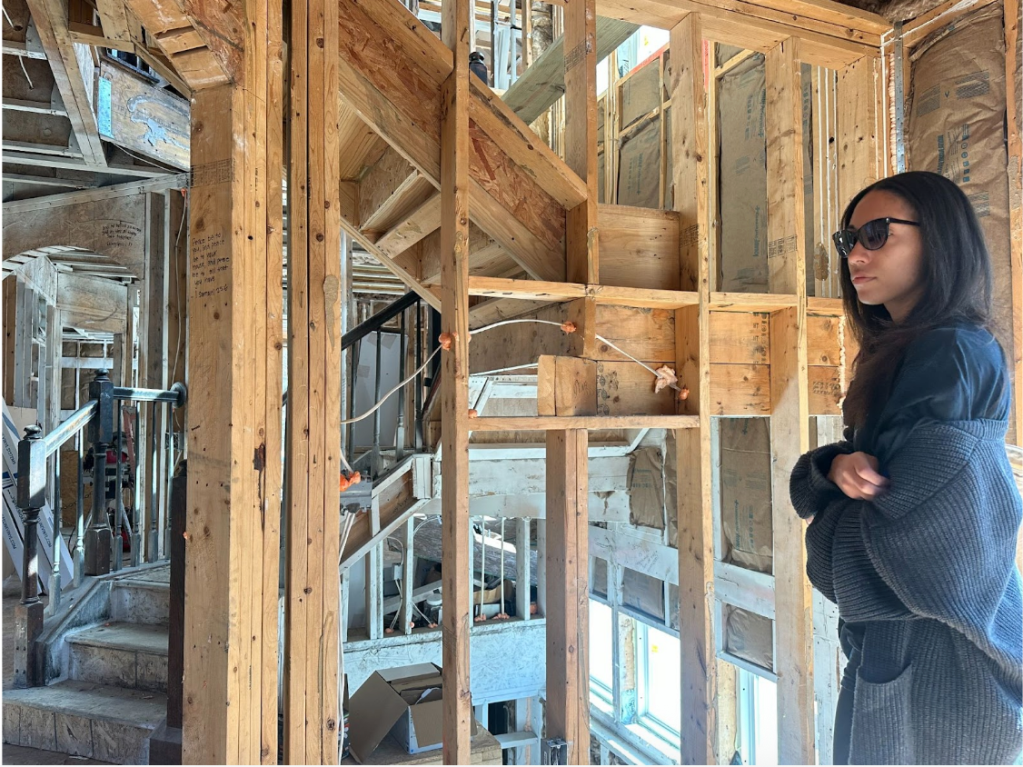
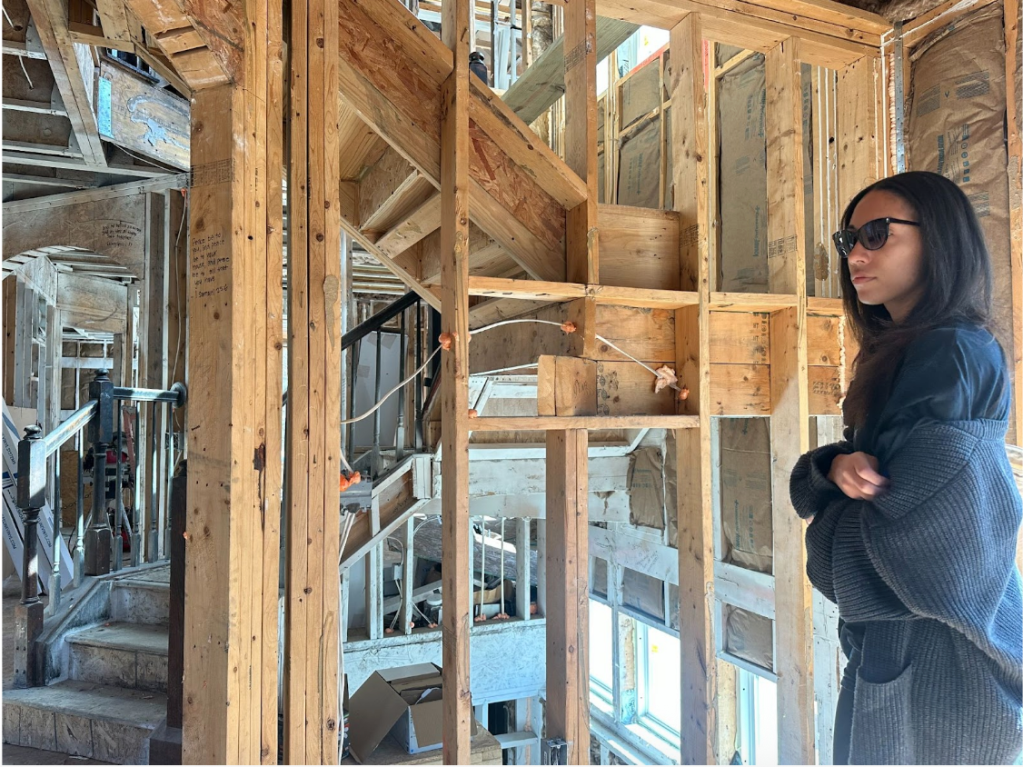
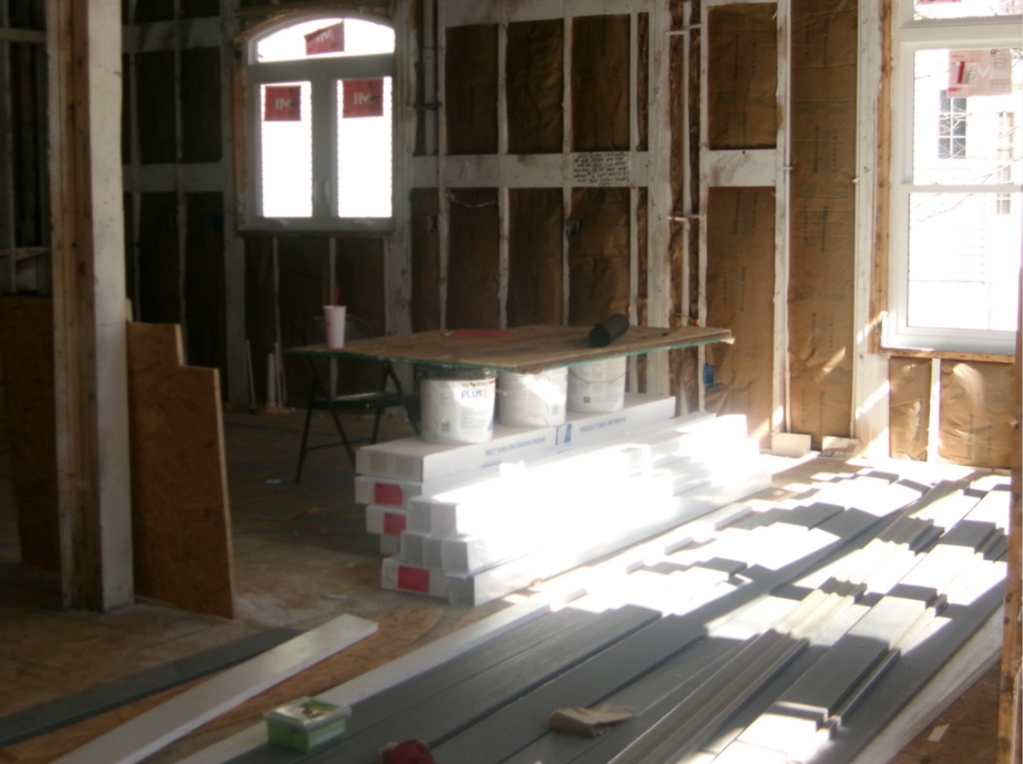
Two years ago, a flicker turned into flames, consuming not just the walls of my family’s home but the very foundation of our lives. We lost everything that day—our belongings, memories etched in pictures, the laughter that echoed through the hallways. In its place, we were left with a stark reality: the daunting journey of rebuilding in a system that often seems rigged against us. We thought we could lean on the safety nets society promised, but those nets are full of holes, and we fell right through.
The fire revealed something we always suspected but never wanted to accept: the disparities in how America supports its citizens—or fails to do so. With every form we filled out, every call we made to insurance companies, we felt the weight of a system that often overlooks our needs. For us, the rebuilding process has been slow, expensive, and fraught with uncertainty. We’ve seen how the color of our skin can dictate the speed at which help arrives, or if it arrives at all.
As we navigated through the wreckage, it became clear that community support was our only lifeline. Our neighbors rallied around us, offering whatever they could—food, clothes, and, most importantly, their time. This experience was a stark reminder of who really steps up when the flames go out. The love and solidarity we felt reinforced the idea that while the system may be rigged, our community can be a powerful force for resilience.
But we shouldn’t have to rely solely on the goodness of our neighbors to rebuild our lives. The truth is, this is a fight for justice that extends beyond one family’s loss. It speaks to a larger narrative of how Black families across America are repeatedly denied access to resources that are available to others. The statistics tell a chilling story—our homes are often underinsured, our communities less supported, and our cries for help drowned out by a reality that prioritizes profit over people.
I haven’t been home in two years, but my heart aches for what we’ve lost and what we’re still striving to regain. As we piece our lives back together, I can’t help but think about the countless families facing similar struggles, endlessly waiting for help that never comes. Our collective resilience shines brightly in the dark, but we must also demand that the systems meant to protect us actually do their job. When we rise, we rise together, and it’s time for America to recognize that rebuilding isn’t just about brick and mortar; it’s about justice and equality for all of us.
From The Source
About The Author