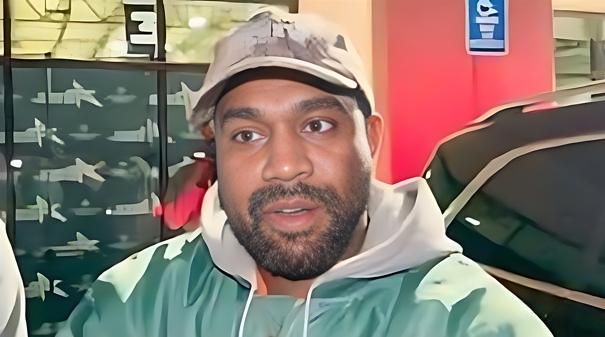
Kanye West, the artist formerly known as Ye, has found himself on the wrong side of the U.K. Home Office, leading to the abrupt cancellation of the Wireless Festival where he was set to headline. This isn’t just another event falling through; it’s a significant moment that highlights the ongoing conversation about accountability and the consequences of our words. After a wave of criticism surrounding his antisemitic remarks, his electronic travel authorization was revoked, a move that has sent ripple effects through the music community and left fans reeling.
For many of us, Ye is not just a rapper but a cultural icon whose influence has transcended music. His creative genius is undeniable, yet we can’t ignore how his recent behavior has overshadowed his contributions. The festival organizers confirmed the cancellation, leaving a void for fans expecting to see him perform, but it raises a larger question: what does accountability look like in our community? When artists, who wield significant influence, cross a line, how do we navigate the tension between their artistry and their actions?
We’ve seen this narrative play out before, where a celebrity’s missteps lead to public outrage. The stakes feel particularly high when those missteps touch on sensitive topics like race and identity, sparking outrage not just among those directly affected but within our entire community. While we can appreciate the evolution of an artist and hope for growth, there has to be recognition of the harm done. It’s a tightrope walk between supporting our own and standing against what’s wrong. We owe it to ourselves to demand better.
Wireless Festival was set to be a celebration of Black music and culture, a space where we could come together and uplift our voices. Now, with Ye’s absence, we’re left to reflect on what this all means. The festival’s cancellation is more than just a logistical issue; it’s a reminder that our community must be vigilant about the messages we send and the artists we uplift. In a world where social media amplifies every statement, artists have a responsibility to consider the weight of their words.
As we look ahead, it’s crucial to remember that our culture thrives on the strength of our voices. We should support artists who reflect our values while holding those who falter accountable. It’s not just about the music; it’s about the message. The real question is: how do we ensure our culture continues to elevate without compromising our integrity? The answer lies within us.
From The Source
About The Author