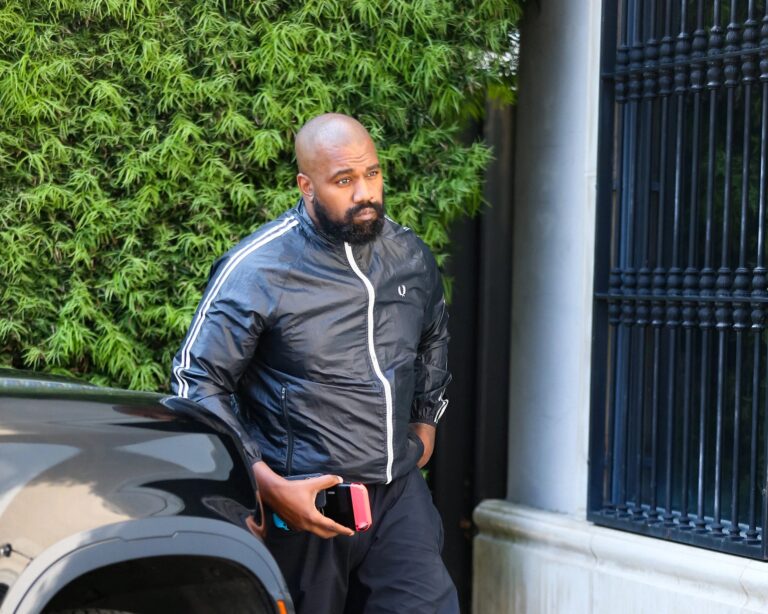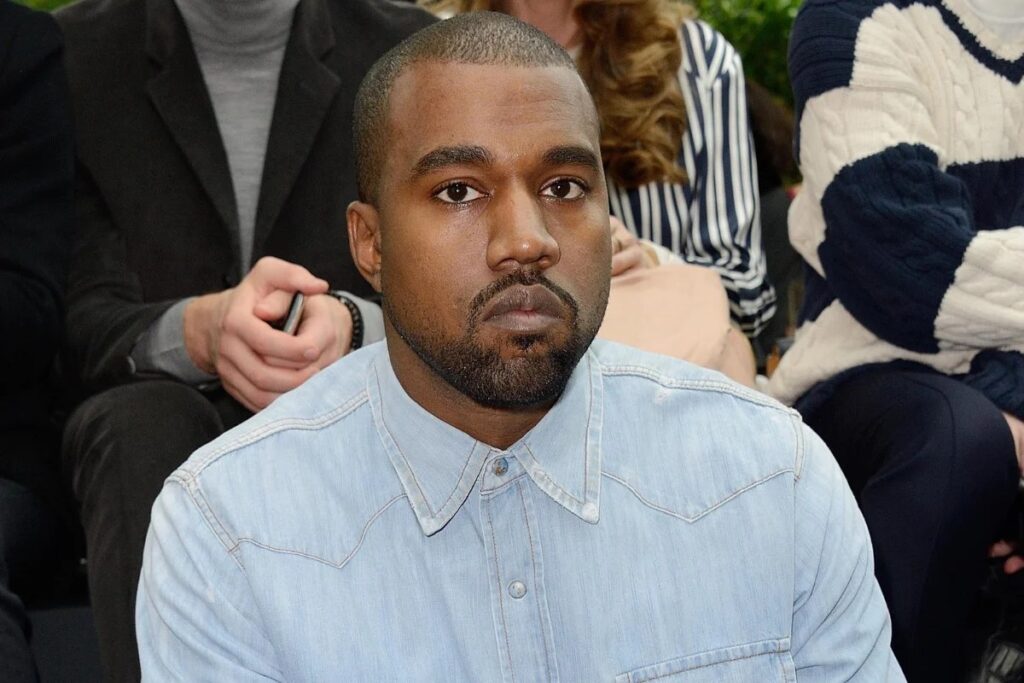
Kanye West just strolled into a comedy show and casually dropped a bombshell that everyone in the Hip Hop community is buzzing about. This man, with his unapologetic swagger, declared himself untouchable in a Verzuz battle. Now, whether you love him or hate him, you can’t deny the impact of his catalog. In an era where comparisons run rampant and artists are always eyeing the throne, Ye just made his stance crystal clear: he believes no one can match his musical genius. But let’s pause for a second and really unpack what that means.
From the moment he stepped onto the scene with ‘The College Dropout,’ Kanye shook up the game, breaking barriers and bending genres like no one else. His discography is a kaleidoscope of sounds and styles, from the soulful samples of ‘Late Registration’ to the experimental vibes of ‘Yeezus.’ With classics like ‘Gold Digger,’ ‘Stronger,’ and ‘Runaway’ dominating playlists, it’s tough to argue against his claim. But what does being untouchable mean in a culture that thrives on competition? We thrive on the dialogue, the rivalries and the respect between artists. It’s what keeps the flame of Hip Hop alive.
But let’s explore this a bit deeper. Who’s even in the conversation when it comes to challenging Kanye? Names like Jay-Z, Drake, and Kendrick Lamar undoubtedly spring to mind, and each has their own claim to greatness. But can they go toe-to-toe with Kanye’s sheer volume of hits, not to mention the cultural moments he’s created? It’s easy to get caught up in nostalgia, but music is about evolution. While everyone has their favorites, the truth is that each artist has a unique influence on the culture. Kanye’s bold personality adds another layer to the discussion, and we’ve seen him push boundaries both musically and socially over the years.
We can’t ignore the fact that Kanye’s bravado often comes with controversy. He’s not just an artist; he’s a lightning rod for conversation around mental health, celebrity culture, and the complexities of Black identity in America. When he steps onto the stage, he doesn’t merely compete; he challenges the very fabric of our expectations. So when he says no one can beat him, it’s more than just a boast — it’s a statement about his journey, his legacy, and his enduring impact on the culture.
At the end of the day, we’re left wondering: do we need a Verzuz battle to define greatness, or is the conversation about legacy much bigger than who wins a musical battle? Kanye’s declaration may have been made in jest, but it sparks a powerful dialogue about our legends and how we choose to celebrate them. In Hip Hop, as in life, it’s not just about who’s winning — it’s about who’s shaping the narrative. And that, my friends, is what makes this conversation so electrifying.
About The Author