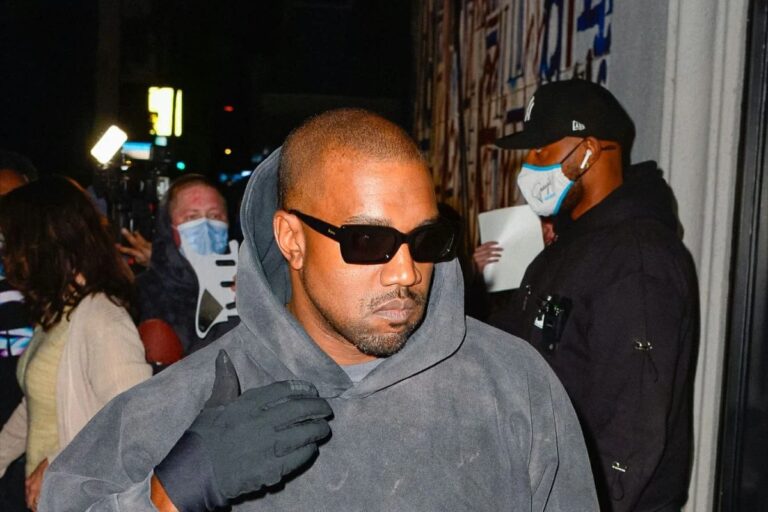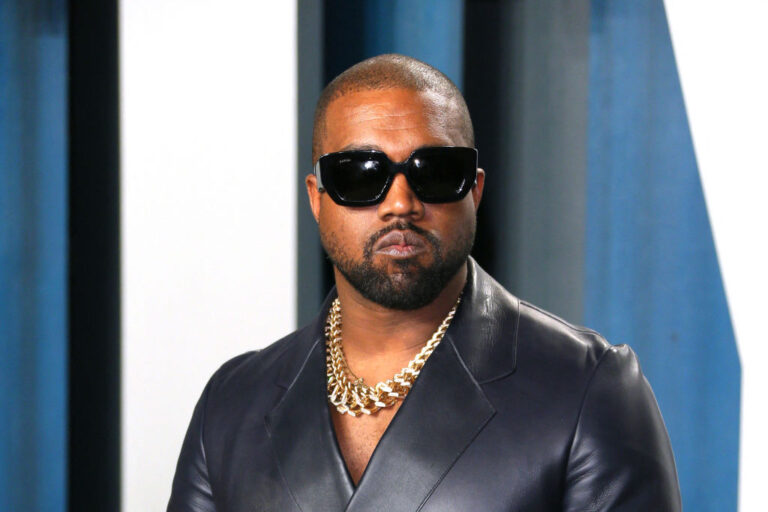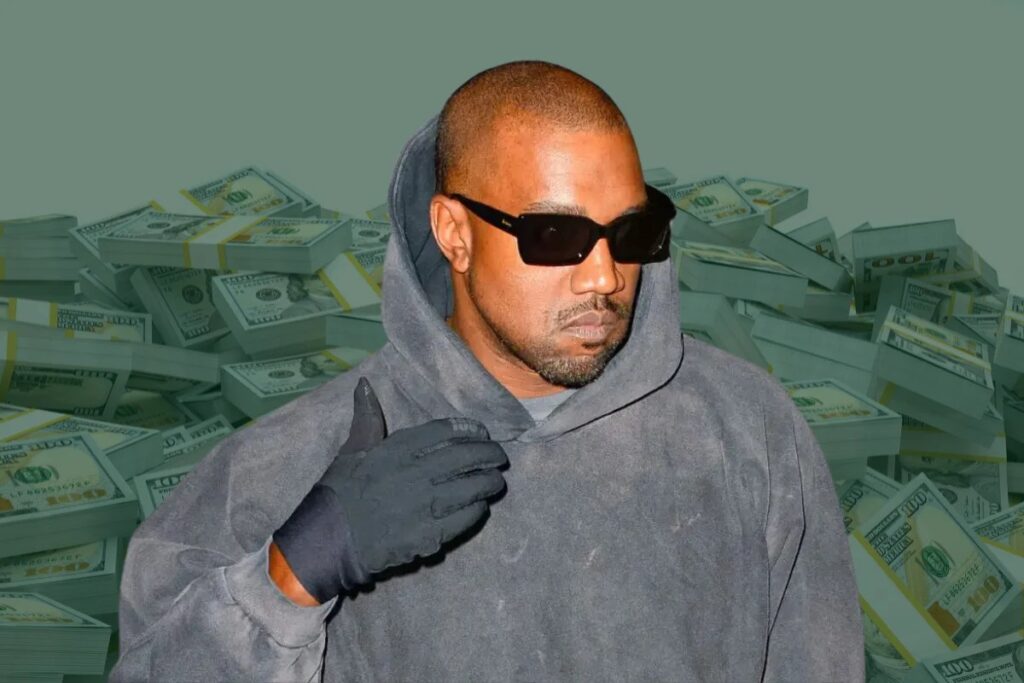
As the Wireless Festival approaches, the atmosphere is thick with controversy surrounding the festival’s headlining act, Kanye West. The decision to include him in the lineup has sparked outrage from UK politicians and the public, who are deeply concerned about his history of antisemitic remarks and controversial idolization of oppressive figures.
Kanye West, who has long been a polarizing figure in the music industry, has faced criticism for his past statements glorifying Nazi ideology, which has led many to question if his participation at such a high-profile event is appropriate. The uproar has not only raised eyebrows but has also ignited a broader conversation about the responsibility of festivals and artists to uphold social values.
The outrage culminated in calls for a complete ban on Kanye from entering the UK, further complicating the festival’s preparations. Politicians have taken to social media to voice their disapproval, urging festival organizers to reconsider their choices. This backlash highlights a growing intolerance for hate speech and a demand for accountability within the entertainment industry.
Additionally, this situation serves as a wake-up call for the Black community and allies alike, who have long celebrated Kanye’s contributions to Hip Hop. It raises essential questions about the impact of celebrity actions on cultural representation and collective values. Can we still separate the art from the artist when their actions propagate harm?
As the festival looms closer, the fate of Kanye’s appearance remains uncertain. The ongoing dialogue surrounding his legacy and the implications of his past actions will undoubtedly resonate beyond the festival grounds, prompting artists, fans, and stakeholders to reflect on the kind of culture they want to promote. In standing against hate, we pave the way for a more inclusive and positive future.
About The Author