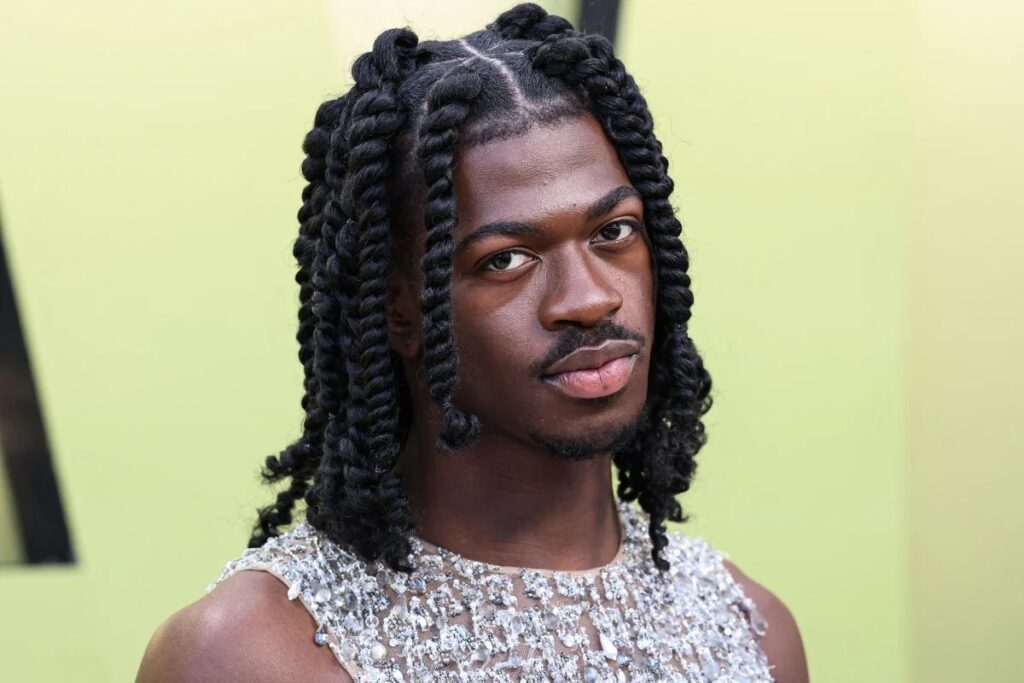
We all know that life in the spotlight can feel like a double-edged sword, especially for our artists who are often navigating their own mental health struggles while the world watches. Lil Nas X, our vibrant and unapologetic trailblazer, recently found himself in a situation that forced us to reflect on the pressures of fame. After a bizarre encounter that saw him in a vulnerable state on the streets, the court has granted him a mental health diversion, paving the way for the dismissal of felony battery charges against him. This isn’t just a legal win; it’s a powerful moment for our community to acknowledge the importance of mental health.
When we think about Black artists in the music industry, too often their battles with mental health go unnoticed or are dismissed as mere antics. Lil Nas X’s journey has exemplified the struggle many of us face—juggling the expectations of our culture while dealing with personal demons. His recent court ruling is a reminder that compassion and understanding should prevail over stigma. In a world that often seeks to tear down our icons, it’s crucial that we uplift them when they are in need.
Lil Nas X’s story is not merely about a courtroom drama; it’s about reclaiming his narrative and asserting that vulnerability is not a weakness. By choosing mental health diversion, he is taking a stand not only for himself but for countless others in our community who feel trapped by their circumstances. We should applaud this move as a step towards breaking the cycle of trauma that has historically plagued our artists and, by extension, our culture.
As we celebrate his resilience, let’s also be real about the broader implications of this situation. How many of our Black brothers and sisters are suffering silently, too afraid to seek help because of the potential backlash? Lil Nas X is carving out a path for vulnerability, which could inspire others to seek the support they need. In a society where vulnerability is often seen as a liability, he’s flipping the script, proving that true strength lies in acknowledging one’s struggles.
This moment should challenge us to rethink how we view mental health in our own lives and in our communities. With the ongoing pressures to conform, perform, and succeed, it’s time we normalize conversations around mental health without the stigma attached. Lil Nas X is more than just a star; he’s a beacon of hope for healing, proving that redemption is always possible.
Let’s hold onto this lesson: every setback can be a setup for a comeback. As we continue to support our artists, we must also advocate for their well-being, recognizing that their journeys are intertwined with our collective resilience.
About The Author