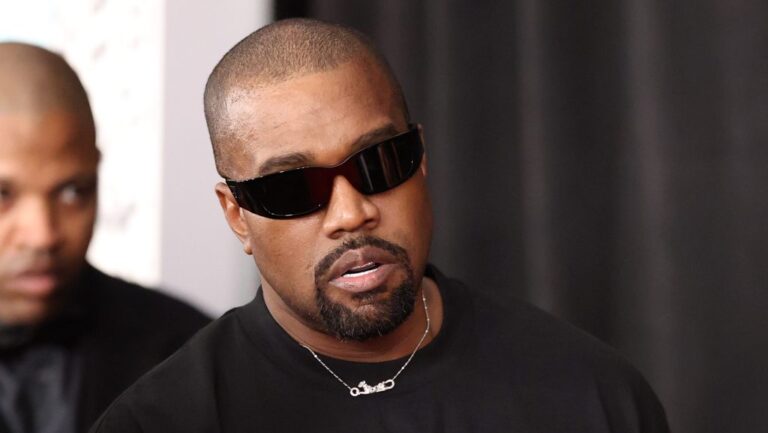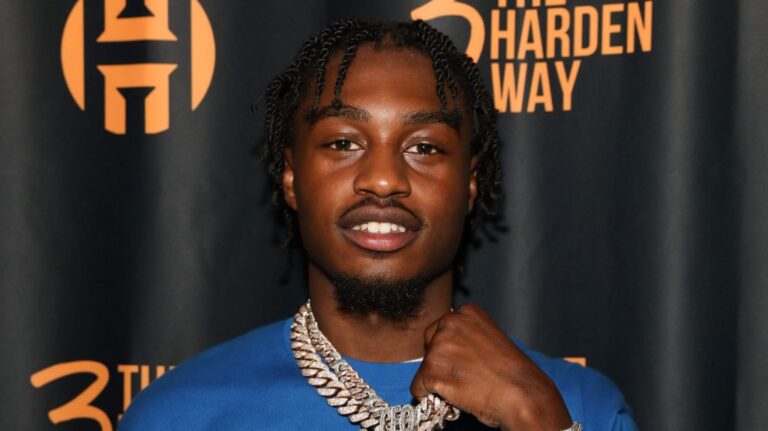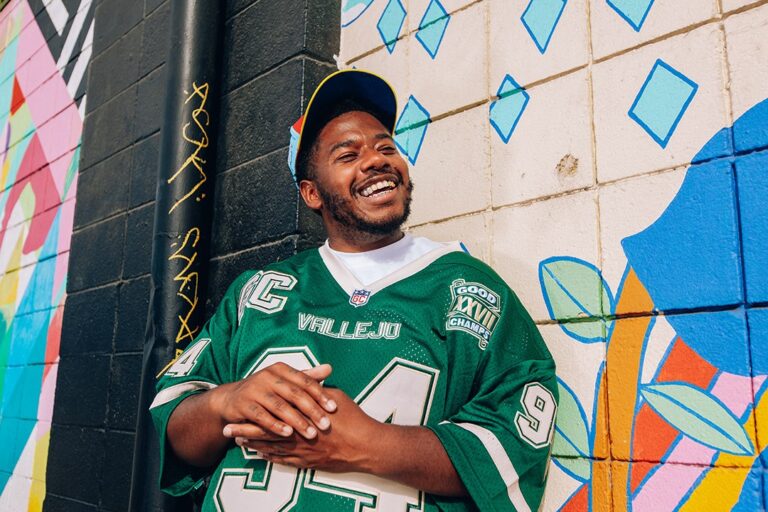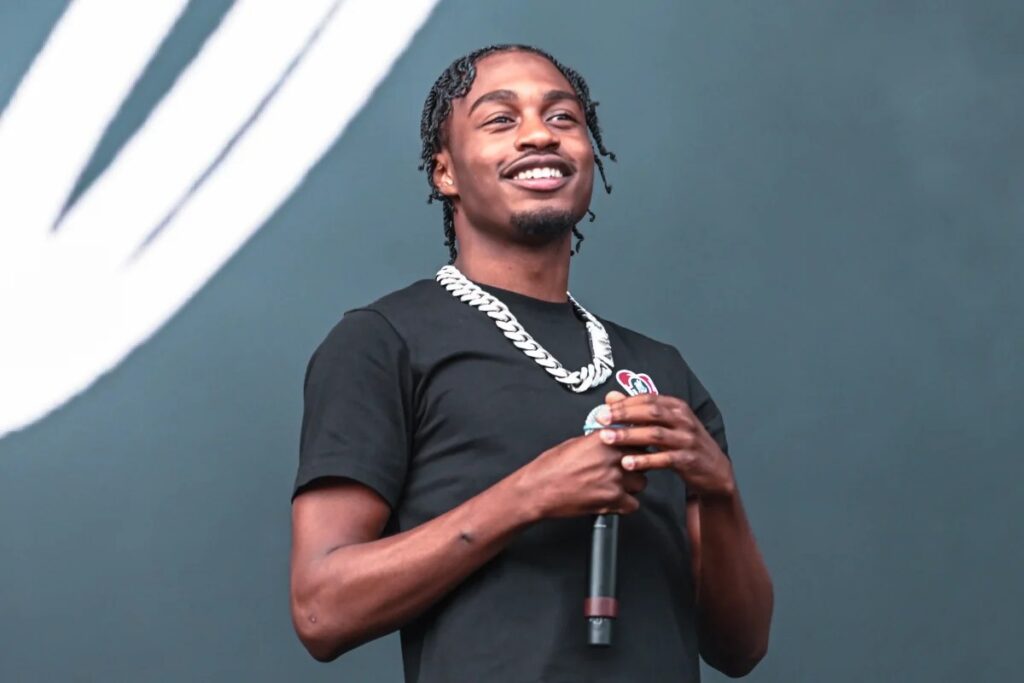
In a move that’s got our timelines buzzing, Lil Tjay recently ignited a firestorm by calling Offset a rat amid swirling rumors about a $10,000 debt. It’s a classic case of hip hop drama unfolding in real-time, and you can bet the streets are watching closely. But let’s break this down: what does it really mean when beefs like this go public, especially when they involve figures shaping our culture?
Tjay’s comments didn’t just raise eyebrows; they raised questions about how we navigate conflict in an era where everything is amplified by social media. This isn’t just about dollars and cents; it’s about respect and reputation, the two pillars that hold up the world of hip hop. Tjay, representing the Bronx, isn’t shy about speaking his mind, and it’s clear he feels some kind of way about Offset. But in a community that prides itself on authenticity, this kind of chatter can lead to real-world consequences.
We have to consider the context. The rumors surrounding the $10K debt are murky at best, and they highlight the complexities of how business is conducted in the industry. We’ve all seen how quickly rumors can spiral out of control, and in a world where loyalty is currency, throwing around accusations can quickly turn friends into foes. Tjay might feel justified, but we’re left wondering if airing this out publicly is worth the potential fallout.
As fans, we often find ourselves caught in the crossfire of these disputes, witnessing a spectacle that feels all too familiar. Hip hop has always thrived on tension, whether it’s through lyrical battles or behind-the-scenes disputes. Yet, we also know that these situations can easily escalate, leading to deeper rifts within our community. When artists we admire start throwing words like ‘rat’ around, it doesn’t just tarnish their images; it can fracture the unity we strive so hard to maintain.
In a landscape where every move is scrutinized, we’re left to wonder: is this just part of the game, or are we witnessing something deeper? Lil Tjay may have kicked the door open with his comments, but we need to think critically about the narratives we’re feeding into. In the end, it’s up to us to decide how we engage with these stories and what kind of legacy we want to support in the culture. So let’s keep our ears to the ground and our eyes on the prize, because in the world of hip hop, one moment can change everything.
About The Author