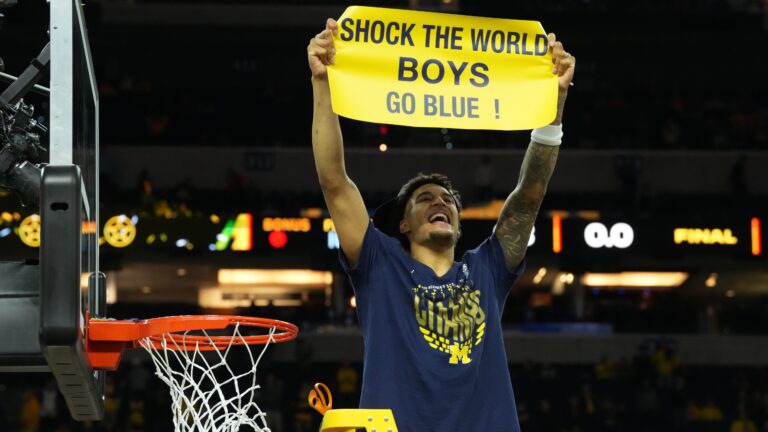
Every March, when the madness hits and college basketball takes center stage, we can’t help but notice the undeniable talent and flair that Black athletes bring to the court. These young men and women pour their hearts into the game, showcasing their skills on national television while being celebrated as superstars. Yet, amidst all the excitement and the high-flying dunks, one glaring absence stands out: the underrepresentation of Historically Black Colleges and Universities (HBCUs) in the spotlight.
We watch as predominantly white institutions dominate the tournament, basking in the glory of victory while our HBCUs, which have nurtured generations of Black excellence, often struggle to earn a seat at the table. It’s a painful irony that so many of the players we cheer for come from backgrounds rooted in these institutions. HBCUs have produced legends, yet here we are, witnessing a system that seems to overlook their contributions in favor of more commercially viable programs.
The NCAA tournament is a showcase of talent, yes, but it’s also a stark reflection of the broader issues we face in our community. The funding disparities, the lack of media coverage, and the systemic barriers that keep our schools from truly shining are all part of a larger narrative. Many of these athletes are from communities that depend on HBCUs not just for education, but for identity, culture, and history. When we ignore these schools in favor of the traditional powerhouses, we essentially turn a blind eye to the rich legacy they represent.
March Madness should be a celebration of all of our talent, not just the ones who fit into a certain mold. It’s time for our community to rally behind our HBCUs, to uplift them, and demand the respect and visibility they deserve. After all, these institutions are more than just schools; they are the heart of our culture, the incubators of our future stars. Let’s not just cheer for the players on the court, but also for the institutions that helped mold them into who they are.
As we immerse ourselves in the tournament this year, let’s keep the conversation going about equity in sports. Let’s not forget the schools that nurtured our heroes. March Madness may be about the wins and losses, but for us, it should also be about bringing our HBCUs back into the conversation, where they belong. We owe it to our community, to our history, and to the next generation of Black athletes.
About The Author