January 22, 2026
For those that know the sport, vocalizing self-motivation is a foundational aspect of the game.
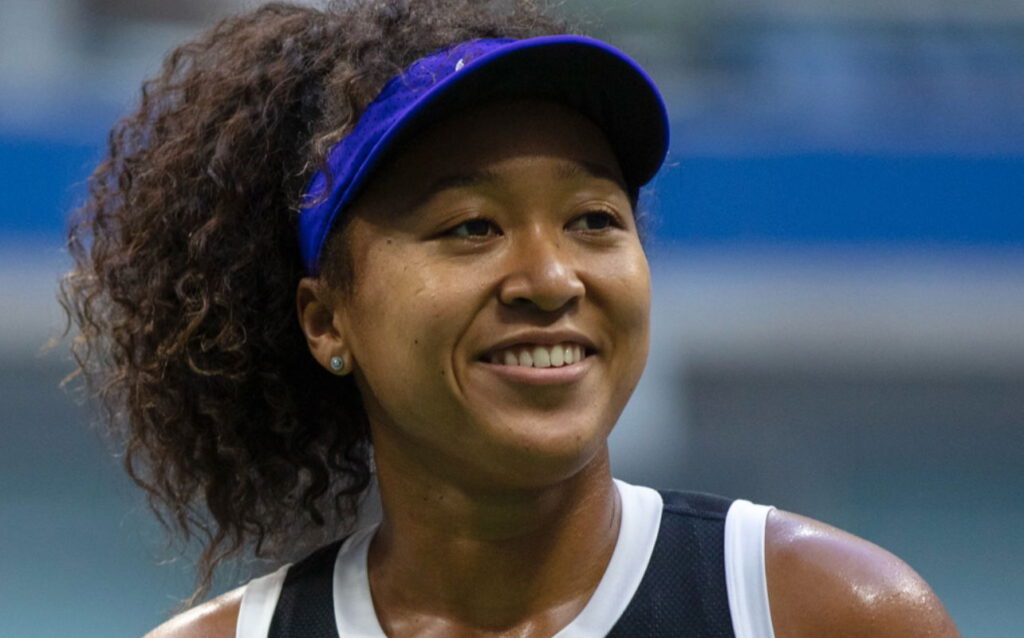
Naomi Osaka’s second-round victory over Sorana Cirstea on the Australian Open was a masterclass in resilience. Still, the ultimate rating was nearly overshadowed by a dispute over a two-word phrase, “Come on.”
For those that know the sport, vocalizing self-motivation is a foundational aspect of the game. Yet, for Osaka, her use of the phrase between “grew to become a degree of rivalry that Cirstea introduced on to the chair umpire.
“Is this okay?” Cirstea questioned. “To do ‘come on’ between factors?”
The umpire was clear in her stance, noting that Osaka’s hype occurred earlier than the serve was even initiated. “You hadn’t received the ball but both. This is ok,” the umpire responded.
Undeterred, Cirstea continued her line of questioning: “So I can speak between factors? Can I’m going ‘come on’ and speak?”
“You’re not serving but, so it’s not a hindrance to you. So that is okay,” the umpire replied, reaffirming Osaka’s proper to occupy her personal area emotionally.
The victory, secured by that very grit, was met with a frosty web change. Cirstea supplied a dismissive handshake and pointed phrases that left Osaka visibly caught off guard.
In the quick aftermath, Osaka was candid, “Apparently, numerous ‘c’mons’ that she was offended about, however no matter. I imply, I attempted to play properly, I attempted my greatest. She’s an ideal participant. I believe this was her final Australian Open, so, OK, sorry she was mad about it.”
Sorana Cirstea wasn’t a fan of Naomi Osaka hyping herself up 😳 pic.twitter.com/XPSsNLNQPn
— TNT Sports (@tntsports) January 22, 2026
This friction isn’t nearly tennis etiquette; it’s concerning the persistent “Karen” conduct that follows Black ladies to the baseline.
This calculated policing of Osaka’s area operates as a microaggression, leveraging discomfort to self-discipline Black excellence into one thing quieter, smaller and extra digestible for white consumption.
History exhibits a transparent disparity in how ardour is categorized. When white gamers show fireplace, it’s labeled “aggressive spirit.” When Black gamers like Osaka or Taylor Townsend—who was instructed by Jelena Ostapenko in 2025, “You don’t have any class, you don’t have any training”—present the identical, it’s branded as “disrespect” or a “distraction.”
Such coded slights perform as psychological restraints, reinforcing white validation because the benchmark for Black ladies’s autonomy whereas pathologizing their competitive excellence as a personality flaw.
Research into Serena Williams’ profession has already laid the groundwork for understanding this phenomenon. Black gamers usually face a particular model of microaggression that polices their our bodies, their tone, and their proper to be loud.
Even in her victory, Osaka felt the stress to take the “Higher Road,” finally providing an apology for her post-match candor.
“I assume that feelings have been very excessive for her. I additionally need to apologize,” Osaka instructed reporters. “I believe the primary couple issues that I mentioned on the court docket was disrespectful. I don’t like disrespecting folks. That’s not what I do.”
Cirstea, 35, opted to exit the event—and her last Australian Open—by downplaying the drama and expertly dancing round questions reporters lobbed at her about her conduct and the change.
“There was no drama,” she instructed reporters. “It was only a five-second change between two gamers who’ve been on a tour for a very long time. It stays between us. For me, this was my final match on the Australian Open, so I believe I’d like to stick with that.”
The message is obvious: A Black lady’s success remains to be too usually contingent on her silence.
Osaka superior within the bracket, however the double normal utilized to Black gamers stays intact.
RELATED CONTENT: Op-Ed: Coded In Red, White, And Blue; The Dept. Of Labor Posts A Confederate-Like Flag On ‘X’ And The Nation Stayed Silent
About The Author