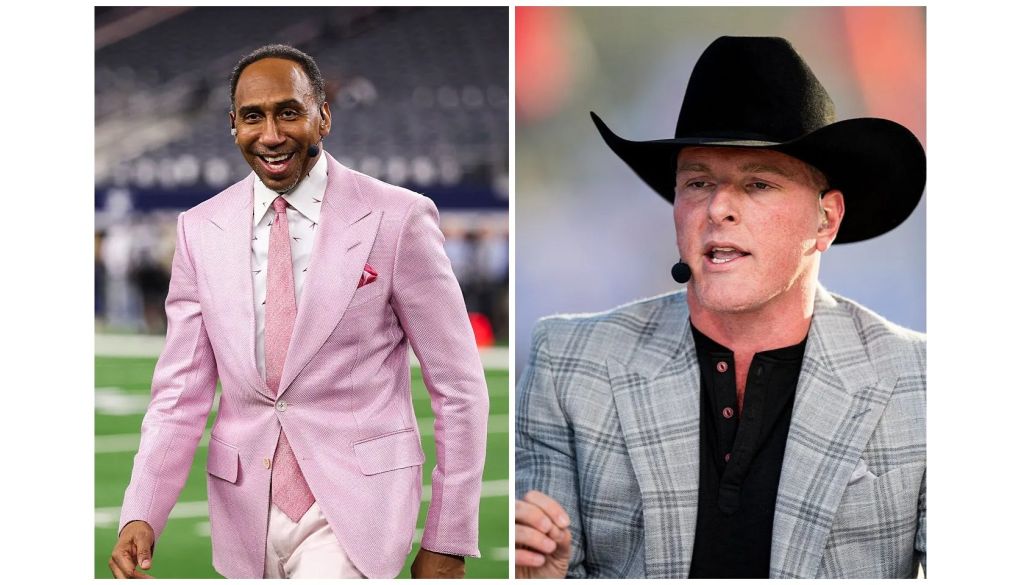
In the world of sports media, a glaring double standard is playing out right before our eyes, and it’s hard to ignore. Pat McAfee and Stephen A. Smith, two of ESPN’s biggest personalities, have been given a pass to wander well beyond the sports realm—especially when the narratives they push align with certain political ideologies. Meanwhile, the network’s former Black talent faced a different set of rules, often forced to toe the line in ways that feel all too familiar to us. This isn’t just a pattern; it’s a reflection of an ongoing struggle in the industry that speaks volumes about who gets to control the narrative.
McAfee, with his brash style and unapologetic commentary, has carved out a niche that allows him to be both a sports host and a political commentator. His ability to speak freely is something many of us have witnessed, especially when he shares opinions that mirror a conservative viewpoint. On the flip side, Stephen A. Smith has managed to straddle the line between sports and culture, but his platform often takes on a different flavor when race and political issues seep into the conversation. He can spill fire on any number of topics, yet when it comes to discussing systemic injustices or racism in sports, we remember the backlash that follows. It’s a stark contrast that raises questions about what is acceptable discourse based on who you are and the perspectives you represent.
For too long, our community has seen our narratives boxed in, while others are given free rein to explore the full spectrum of their thoughts and beliefs. We’ve watched Black analysts and commentators face severe repercussions for stepping outside the sporting lines. It’s difficult not to feel a sense of injustice when people like McAfee and Smith, who are celebrated for their outspokenness, seem to operate under a different set of rules. Their success demonstrates that some voices are deemed more valuable than others, depending on the political ideologies they promote.
This disparity isn’t just about sports; it speaks to a larger cultural conversation about representation and the freedom to express oneself without fear of retribution. We should be asking ourselves: Why are certain personalities encouraged to embrace their full identities while others must remain confined to a narrow definition of what it means to be a sports commentator? The answer lies in the uncomfortable truth of how media shapes narratives, particularly around race and politics.
As we reflect on this dynamic within ESPN and beyond, it’s clear that the fight for equity in representation and voice continues. Our voices matter, and we must demand that all perspectives be valued equally, regardless of their alignment with mainstream ideologies. The takeaway here is stark: the conversation shouldn’t just stay in the locker room or on the field; it needs to permeate every aspect of culture. We deserve to be heard in our full complexity—no restrictions, no limits, just the truth as we see it.
From The Source
About The Author