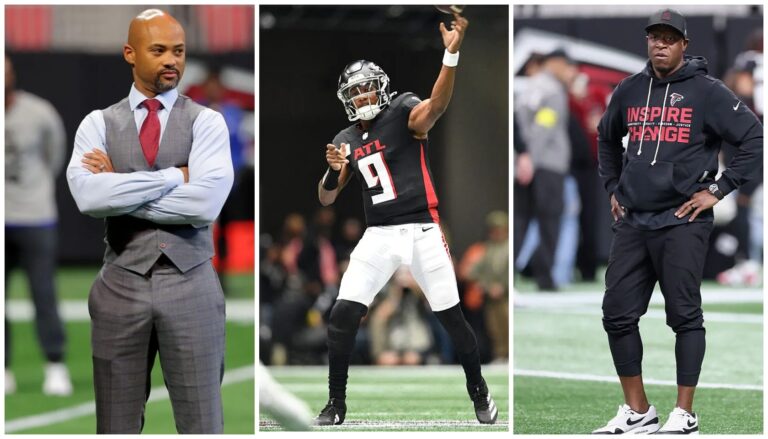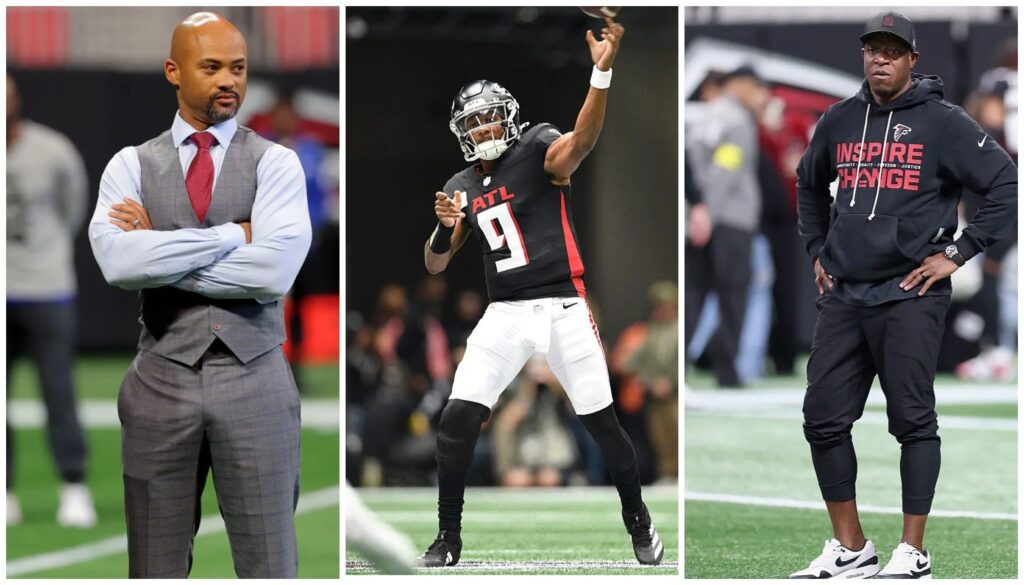
The recent firing of Raheem Morris and Terry Fontenot by the Atlanta Falcons marks a significant and, frankly, painful moment in the franchise’s history. Both men held the distinction of being the first Black head coach and general manager in the team’s storied, if uneven, legacy. Their departure is a stark reminder of the burdens and responsibilities that come with breaking barriers in predominantly white spaces, especially in professional sports where successes and failures are scrutinized through a hyper-critical lens. The reality is that, for many in these roles, they don’t just represent themselves; they carry the weight of their communities and expectations that transcend the playing field.
Morris stepped into his role as head coach amid tumultuous waters, inheriting a team struggling to find its identity. As he navigated the complexities of coaching at the highest level, he was often celebrated as a beacon of hope for young Black athletes aspiring to reach similar heights. Yet, the narrative surrounding his tenure was seldom solely about wins and losses; it was about the cultural implications of his position. His leadership style, rooted in authenticity and resilience, showcased the very qualities that fans and players alike were yearning for. Unfortunately, the team’s performance didn’t meet expectations, leading to a swift exit that leaves a bitter taste in the mouths of many who believed in him.
On the other hand, Fontenot entered his role as general manager with a mission to revamp the Falcons’ roster and build a competitive team. His vision, much like Morris’s, was not just about football; it was about changing the culture within the organization. Unfortunately, with the franchise’s history of inconsistency and the weight of previous managerial decisions haunting every step, his efforts fell short of the mark. The reality is that both men now become part of a narrative that often sees Black coaches and executives given less leeway compared to their white counterparts. This cycle reflects a broader issue in professional sports, where systemic barriers often inhibit the chances of those who dare to break through.
Reflecting on their tenures, it is essential to understand the broader implications of their dismissals. The narrative that emerges from Atlanta is not just one of disappointment but one that raises critical questions about the support structures in place for minority leaders in sports. The hope is that future hires will be given the time, resources, and understanding needed to truly make an impact. As fans, we need to advocate for patience and perseverance, recognizing that lasting change takes time.
For Morris and Fontenot, this chapter may have closed, but their stories are far from over. They represent a generation of Black professionals in sports who are not only fighting for their place but also for the future of those who will follow in their footsteps. As they move on to new opportunities, the hope is that they will continue to inspire others, reminding us all of the resilience it takes to navigate the complexities of race, sport, and leadership in America.
About The Author