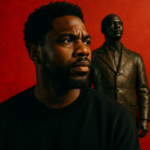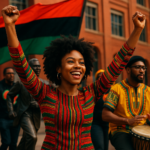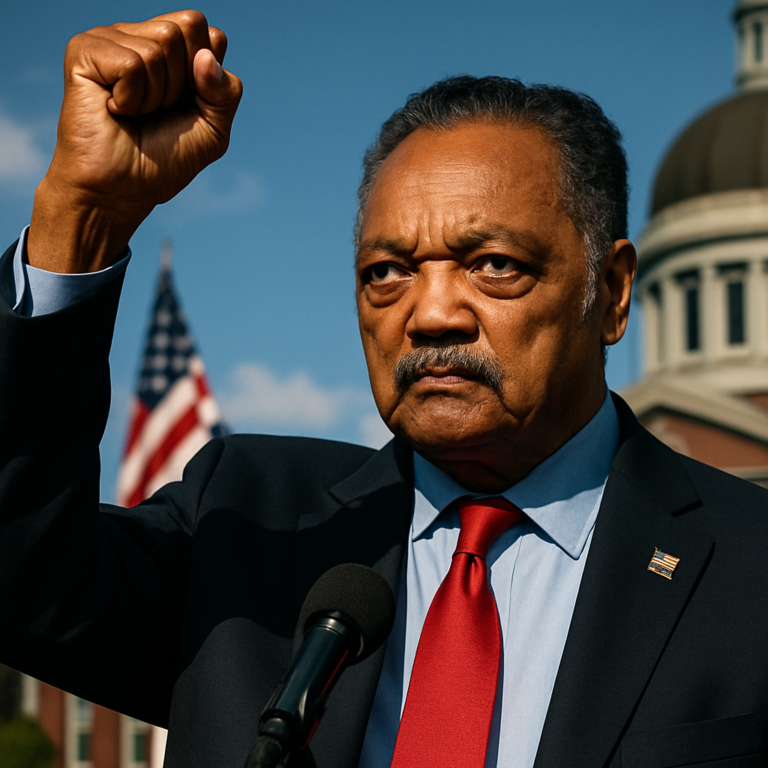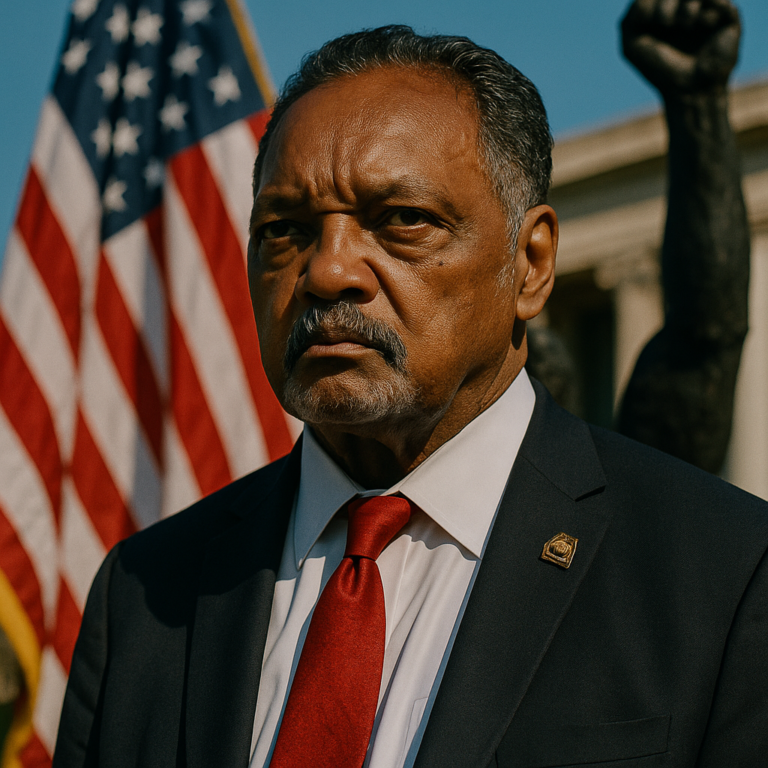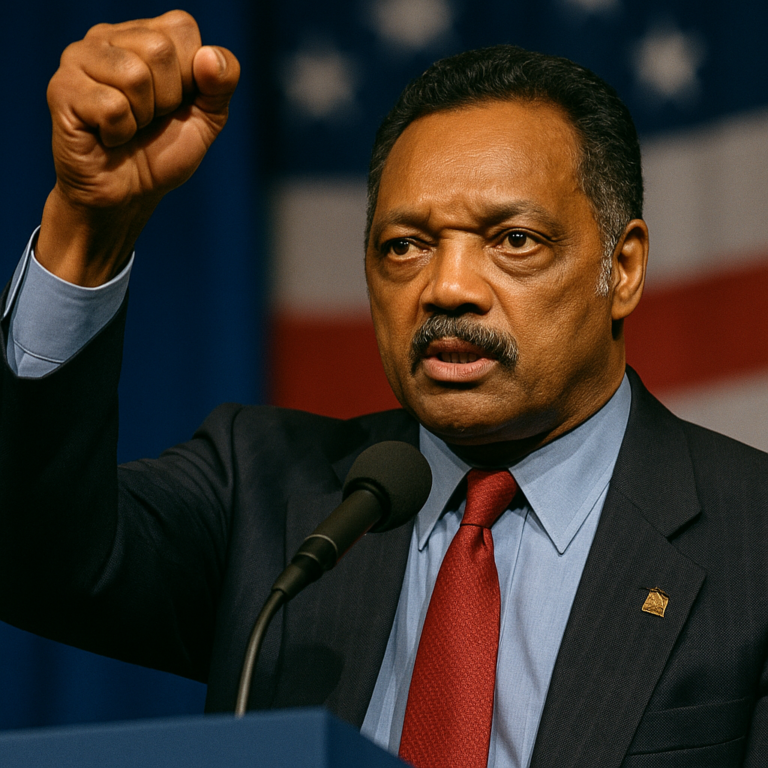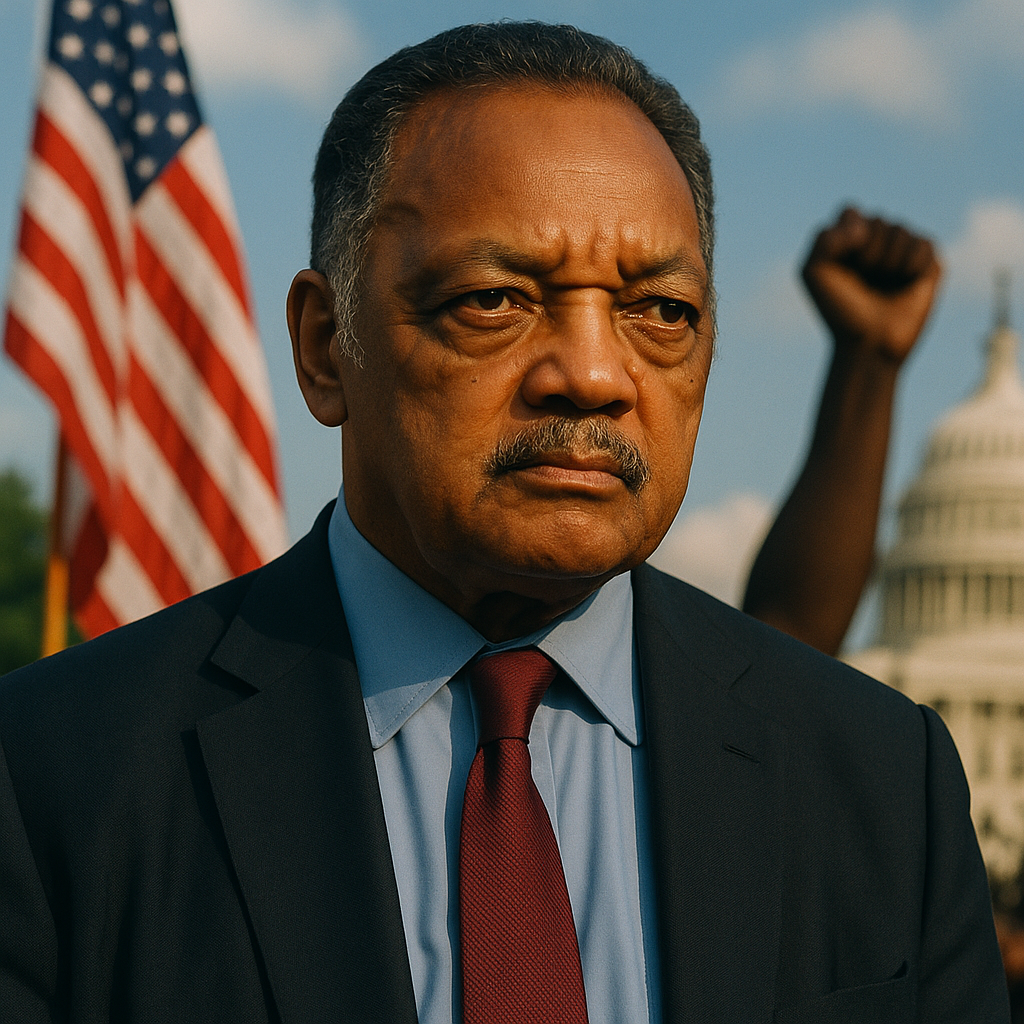
As we reflect on the monumental journey of civil rights in America, one name stands tall—Rev. Jesse Jackson. A titan of the struggle, Jackson didn’t just advocate for change; he embodied the relentless spirit of our community. From the streets of Chicago to the halls of power, his voice has always been a clarion call for justice, equality, and empowerment for Black Americans.
Jackson’s impact on civil rights is profound and multi-dimensional. Throughout his career, he has navigated the complex landscape of politics and activism, pushing the boundaries of what is possible for us. He was not only a key figure in the civil rights movement alongside stalwarts like Dr. Martin Luther King Jr., but he also forged pathways that inspired generations to come. We owe it to him to acknowledge his contributions to the political possibilities that many in our community enjoy today.
In a country where our voices have often been silenced, Jackson’s tireless efforts to amplify our struggles have been vital. He founded the Rainbow PUSH Coalition, an organization that has united people across all racial lines to fight for economic and social justice. His work has highlighted the intersectionality of race, class, and gender, reminding us that our fight for equality is multifaceted and interconnected, and that we must stand together in solidarity.
Yet, Jackson’s legacy isn’t just about the battles he fought; it’s about the hope he instilled in us. He encouraged us to dream bigger, to envision a future where our voices matter, and where we can fundamentally change the narrative around Black America. As we continue to face systemic injustice and inequality, we must channel that same spirit of resilience and determination that he exemplified.
As we honor Rev. Jesse Jackson’s legacy, let’s not forget that the fight is far from over. His life’s work serves as both a celebration of what we have achieved and a reminder of the work still ahead. We must carry forward his torch, continue the struggle for justice, and ensure that the possibilities he fought for are realized by every member of our community.
Let us ask ourselves: how can we better honor his legacy by standing up for our rights and demanding the change we wish to see?
About The Author