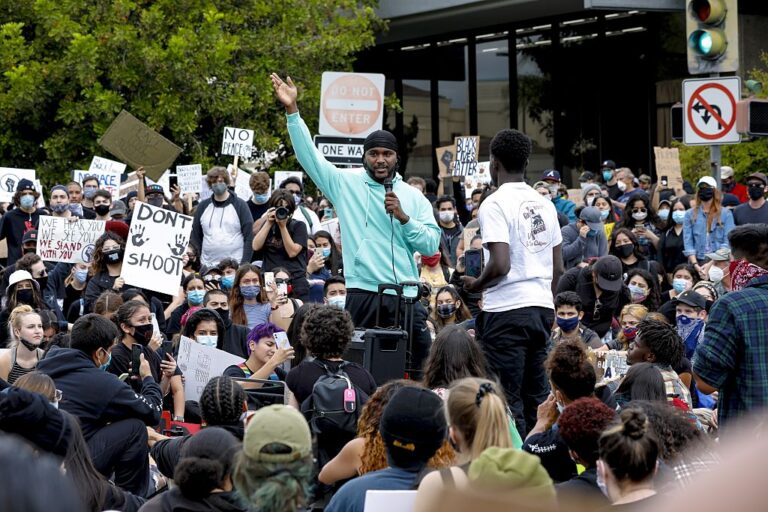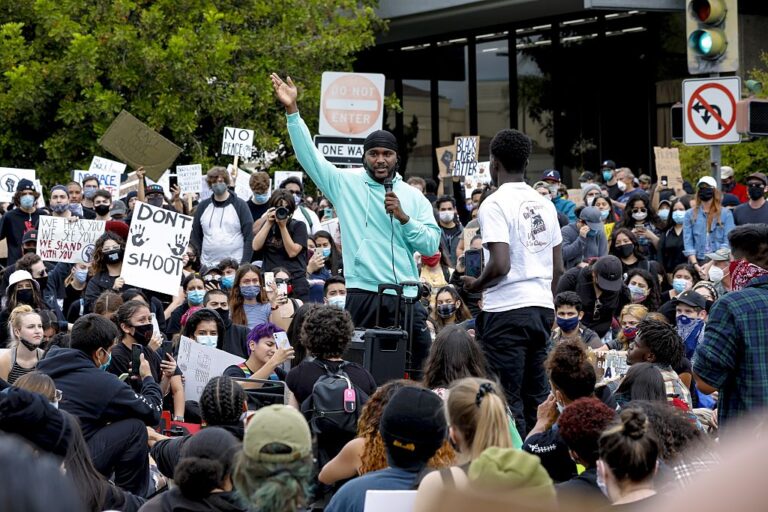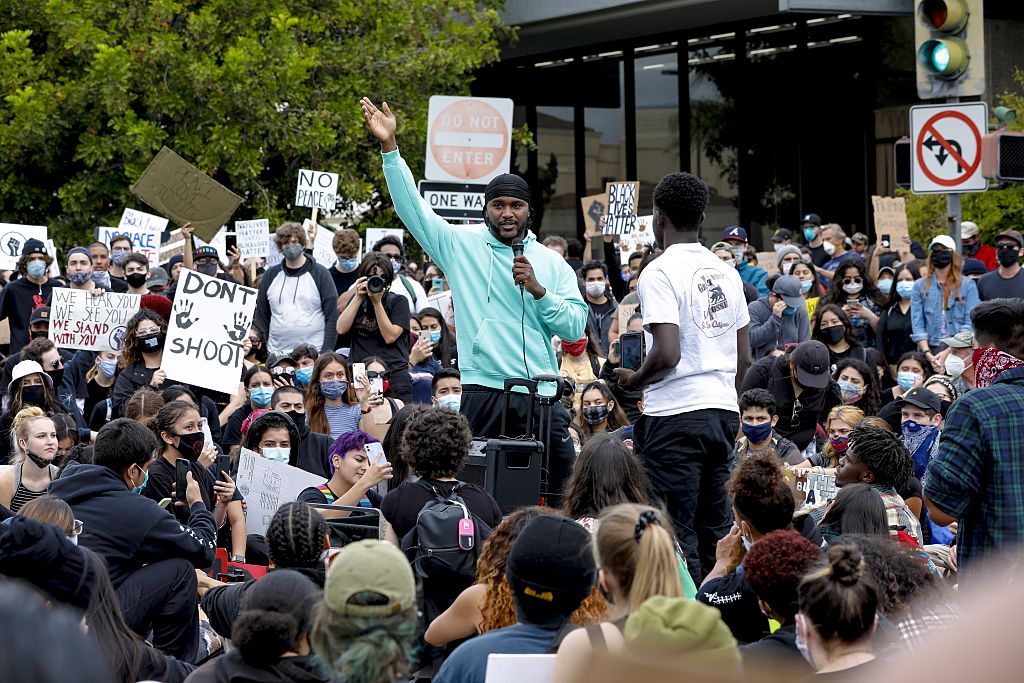
In the wake of 2020’s racial reckoning, the world seemed ready to listen. We witnessed an unprecedented outpouring of support for Black-led nonprofits, as institutions and corporations pledged billions to uplift our communities. But here we are, a few years later, and it feels like a cruel mirage. The funding gains that were promised have largely evaporated, leaving many of our organizations grappling with the same challenges they faced before the spotlight shone on racism and inequality.
We remember the fervor, the hashtags, and the empty promises that echoed through corporate boardrooms and philanthropic foundations. Everyone wanted to be on the right side of history, to be seen as allies in a moment that demanded action. But as the urgency faded and the media moved on, so did the commitment from those who jumped on the bandwagon of social justice. The reality is stark — many Black nonprofits have found themselves reverting to precarious funding circumstances just as they were before the summer of protests and solidarity.
It’s frustrating to see how quickly the enthusiasm dissipated. Many organizations that were once buoyed by an influx of donations and partnerships are now struggling with dwindling resources. The support felt transactional, as if simply throwing money at issues in the heat of the moment was considered enough. But our community knows that change isn’t just about funding; it’s about sustainable investment, real engagement, and a genuine commitment to addressing the systemic issues that have plagued us for generations.
What’s particularly disheartening is how this cycle plays out time and again. Philanthropy often operates on a short-term basis, chasing trends instead of building lasting relationships with Black-led organizations that are deeply embedded in their communities. We have been here before, and it becomes evident that true allyship requires more than just financial contributions; it necessitates a commitment to understanding and supporting the long-term visions of our nonprofits.
As we reflect on the aftermath of the 2020 reckoning, we have to ask ourselves tough questions about accountability and intention. Are we willing to hold these organizations and corporations accountable for their promises? Are we ready to demand that they invest in our communities not just for a moment, but for the long haul? It’s time to shift the narrative from one of fleeting support to one of enduring partnership, where our nonprofits can thrive and our communities can flourish. We can’t afford to be sidelined again when it comes to our future.
From The Source
About The Author