In a world where we struggle to find our footing amidst the noise of cancel culture, nothing stings quite like watching folks still rally around Kanye West. He’s not just a musician; he’s a cultural icon who has crafted a complex narrative that offers both brilliance and bewilderment. But when we peel back the layers, we’re left grappling with a painful reality—how can we still celebrate someone who has so openly embraced harmful rhetoric? It’s a conundrum that leaves many of us feeling torn.
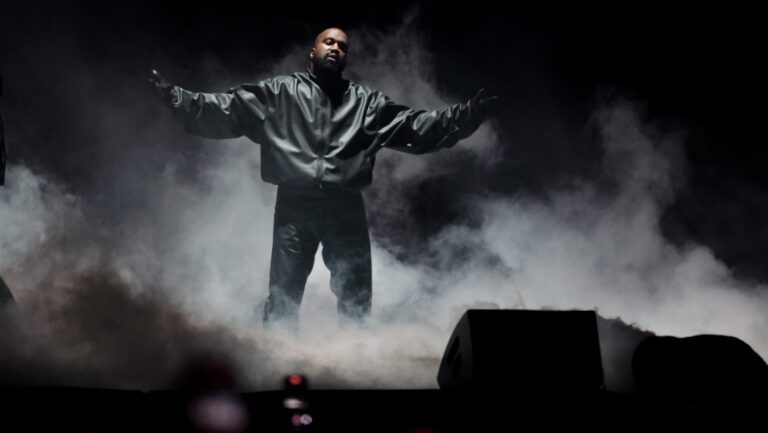
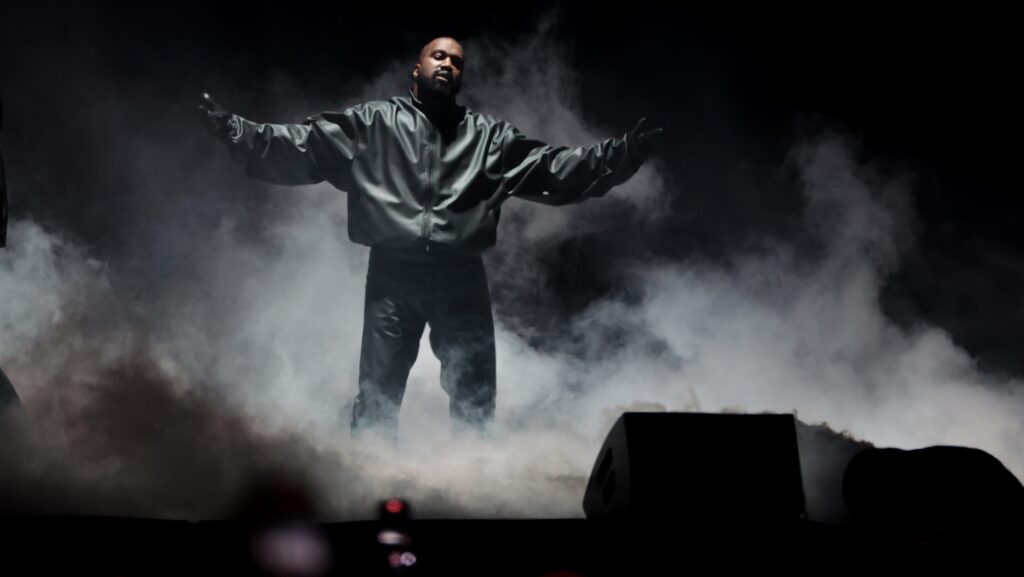
Kanye’s journey has been nothing short of a rollercoaster, swinging between genius and madness, but what’s disheartening is the unwavering loyalty he still commands. You can see it in the crowds that show up for his concerts, chanting lyrics that once inspired us, seemingly oblivious to the barrage of headlines that reveal his troubling statements and alliances. It’s like we’ve built a fortress around our love for his artistry while ignoring the wreckage left in the wake of his controversial outbursts. As his fans cheer him on, do they realize the implications of that support?
We live in a time where accountability is more critical than ever, particularly within our community. How do we reconcile our love for his music with the need to call out the harm that often comes with it? The moments of brilliance, the beats that make us move, are overshadowed by the words that push us apart. This isn’t simply about canceling someone for the sake of it; it’s about recognizing that our icons, no matter how talented, can fall short of the values we hold dear.
There’s a certain tragedy in watching people cling to the past when it feels like the future is a constant reminder of the present consequences. We have to ask ourselves, what does it mean to support someone who has turned their back on the community’s struggles? As we navigate these murky waters, it’s essential to have these hard conversations. We cannot afford to blind ourselves to the realities of our idols, no matter how much we grew up singing their praises.
At the end of the day, it’s not just about Kanye—it’s about what his continued popularity says about us. Are we willing to overlook the red flags because we’re tethered to nostalgia? It’s a reflection of a bigger conversation within our culture about loyalty, accountability, and the complex ways we engage with those we love in the public eye. As we move forward, let’s challenge ourselves to engage with our icons critically, because loving our culture means demanding better from those who shape it.
From The Source


About The Author