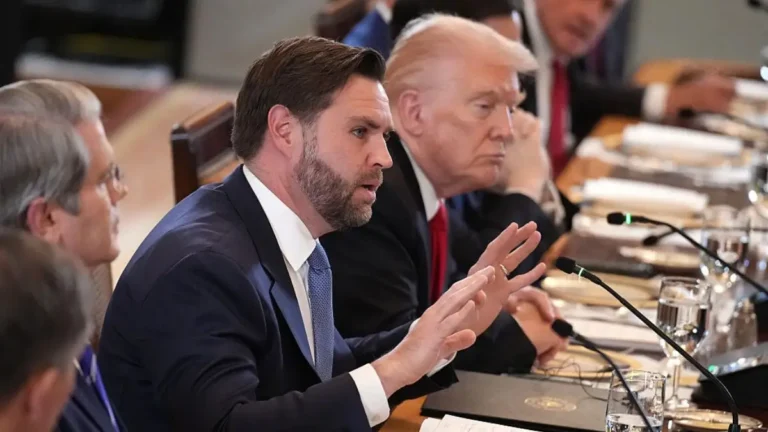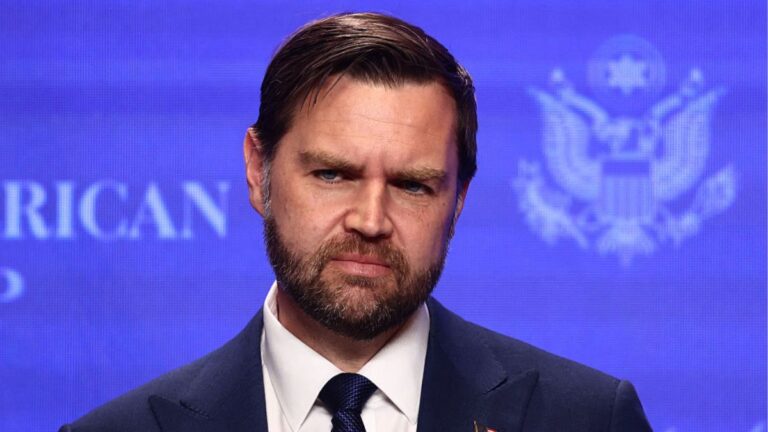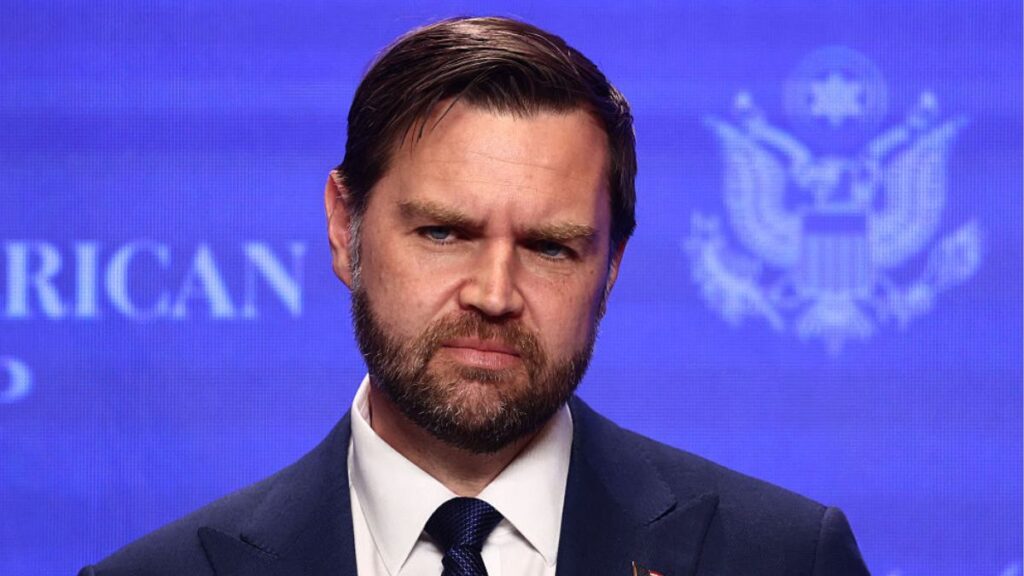
In a twist that seems ripped straight from the pages of a political drama, JD Vance, the Ohio Senator and erstwhile Trump ally, found himself caught in the crosshairs of a situation he seemingly did not anticipate. Following a recent trip to Budapest with his wife, Usha, Vance was thrust into the national spotlight to address the fallout from Trump’s latest blunder. The former president, in his signature style, appeared to distance himself from Vance even as he pushed him to the forefront of a narrative that desperately needed clarification. It’s a precarious position for Vance, who has straddled the line between loyalty to Trump and his own political ambitions.
Vance’s trip to Hungary wasn’t just a romantic getaway; it represented a deeper connection to the far-right ideologies that have been bubbling under the surface in American politics. The optics of this trip had many questioning the motivations behind his public appearances and the company he keeps. As Vance stood there, attempting to mitigate the damage caused by Trump’s antics, it became painfully clear that he was in a classic case of being set up to clean house without the necessary tools. His attempts to flip the narrative back in favor of his standing, both with Trump and his constituents, fell flat as the complexities of Trump’s ongoing saga played out in real-time.
For those observing from the sidelines, Vance’s predicament underscores the precarious nature of modern political alliances. The former president’s disregard for loyalty when it no longer serves his purpose leaves Vance wrestling with a reality check. It’s a harsh reminder that in the realm of political theater, one misstep can overshadow years of crafted image and intention. The fallout from this debacle leaves many, including Vance himself, wondering about the legitimacy of his position and the sincerity of his allegiances.
As Vance navigates this turbulent political landscape, the implications are far-reaching. His visibility in the wake of Trump’s reshuffling leaves him more vulnerable than ever. Will he emerge a more seasoned politician, or will he be merely another cautionary tale of how quickly the tides can turn in favor of self-preservation? The political machinations at play here reveal not just the volatility of current politics but also the complexities of race, power, and identity within the Republican framework. In a landscape where alliances can evaporate as fast as they form, Vance’s next moves will be crucial—not only for his political survival but for the future of his party as it grapples with its own identity crisis.
About The Author