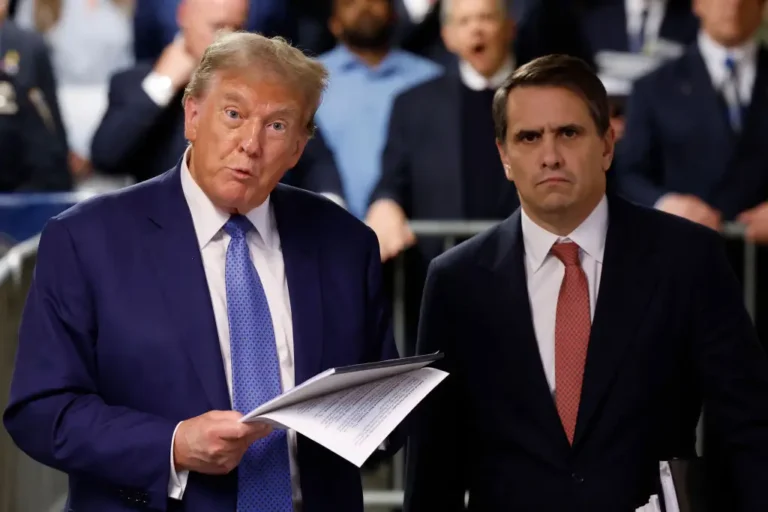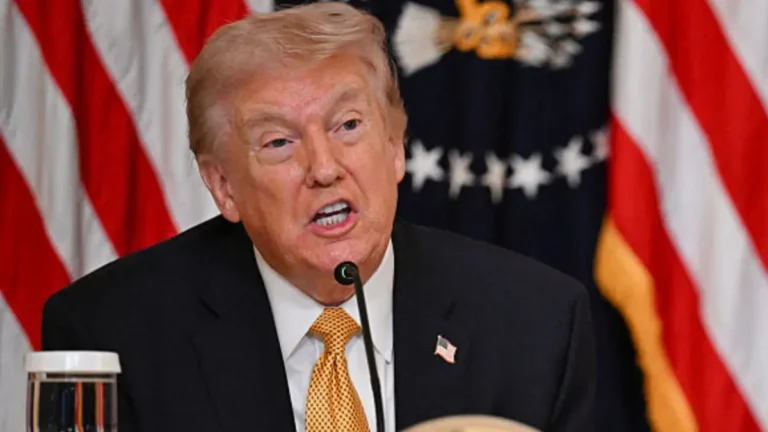
In a bold move that underscores his administration’s hardline stance on immigration, President Trump has announced the deployment of an additional 2,000 ICE agents to Minnesota. This escalation comes in the wake of a fraud scandal that has gripped the state, and it’s clear that Trump is using this opportunity to target a specific community: Somali immigrants. By framing this crackdown as a response to criminal activity, he is weaponizing a local issue to further his political agenda and rally his base around a familiar narrative of fear and division.
The decision to bolster ICE operations in Minnesota is not merely a response to rising concerns about fraud; it is a deliberate strategy to stoke anti-immigrant sentiment ahead of the upcoming elections. The Somali community, which has faced scrutiny and discrimination, is now being painted as a scapegoat for broader issues. Trump’s rhetoric amplifies existing fears, painting a picture of chaos and lawlessness that he claims only his administration can solve. This exploitation of local scandals serves to distract from the deeper, systemic issues surrounding immigration policy and enforcement.
Minnesota, home to one of the largest Somali populations in the United States, is now caught in the crosshairs of a politically charged crackdown that threatens to tear communities apart. The addition of thousands of ICE agents will undoubtedly lead to increased fear among immigrants and their families, who already live under the constant threat of deportation. The message is clear: Trump is willing to use heavy-handed tactics to assert control and rally support, even if it means casting entire communities as criminals.
As the fallout from this decision unfolds, it raises critical questions about the future of immigration policy in the United States. Will we allow fear-mongering and scapegoating to dictate our approach to immigrants, or will we push back against these tactics and advocate for a more compassionate and just system? The situation in Minnesota is not just a local issue; it reflects a national crisis that demands our attention and action.
About The Author