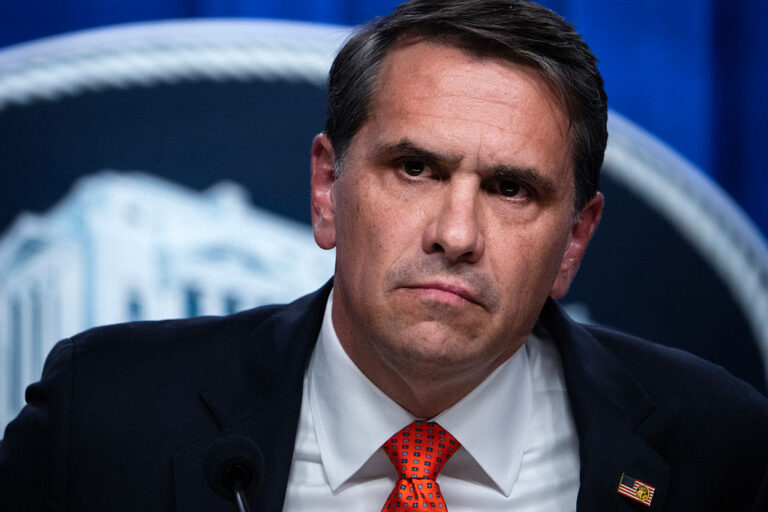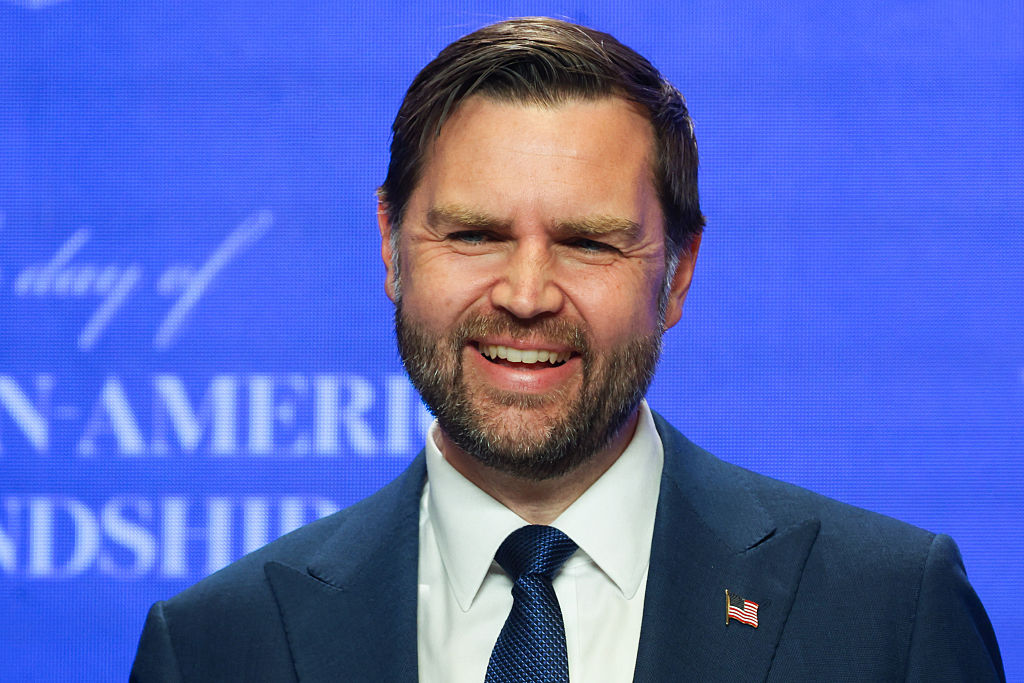
In a surprising turn of events, the Biden administration has decided to send JD Vance, a prominent figure in conservative circles and a U.S. Senator from Ohio, to lead negotiations with Iran following the collapse of what could be considered one of the shortest ceasefires in recent memory. Just days after it seemed like a breakthrough was in sight, the situation has soured, leaving many to question both the effectiveness of current diplomatic strategies and the motivations behind such a hasty appointment. The White House, through Press Secretary Karoline Leavitt, announced that Vance would take charge of the U.S. negotiating team this weekend, a choice that seems as politically charged as it is strategically dubious.
JD Vance, known for his best-selling memoir ‘Hillbilly Elegy,’ has made a name for himself as a right-wing commentator and a fervent supporter of former President Trump. This is his first major international undertaking since being elected to the Senate, and it raises eyebrows about whether he has the necessary experience to navigate the complex landscape of Middle Eastern politics. Critics are already voicing concerns that Vance’s hardline stance may only exacerbate tensions and undermine the fragile prospects for peace in the region. The decision feels like a gamble, one that many believe could have far-reaching implications not just for U.S.-Iran relations but also for domestic politics as we approach a pivotal election cycle.
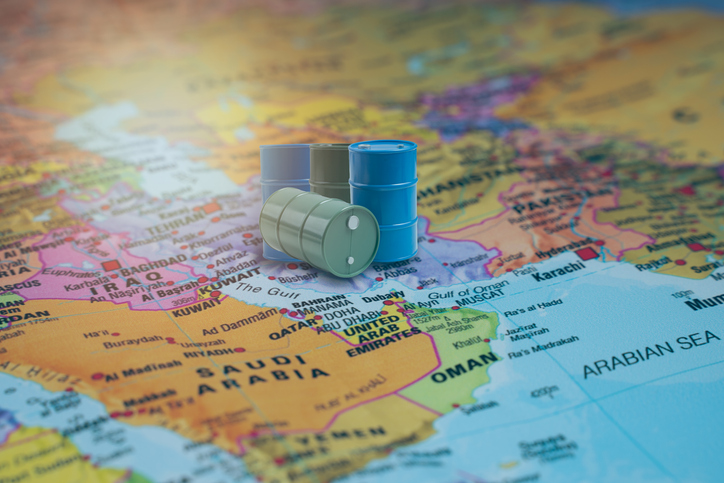
The backdrop of this diplomatic mission is a rapidly deteriorating situation in Iran, where hostilities have escalated following the recent ceasefire that barely managed to hold for a few days. The Biden administration’s attempt to engage Iran in discussions had initially brought a flicker of hope, but those hopes were dashed as both sides remain entrenched in their positions. The Iranian government appears more resolute than ever, fueled by nationalist fervor and a sense of grievance, while the U.S. finds itself in an increasingly precarious position, struggling to regain a foothold in negotiations that seem to slip through its fingers.
As Vance prepares to step into this quagmire, the weight of expectations rests heavily upon him. Will he rise to the occasion or falter under the pressure? His approach will be closely scrutinized not just by politicians and diplomats but also by the American public, who are not just interested in the outcomes of these talks but also in the broader implications for peace and stability in the Middle East. The stakes are high, and the world will be watching closely as this new chapter unfolds in U.S.-Iran relations, hoping for a glimmer of hope in a landscape often dominated by conflict and division.
About The Author