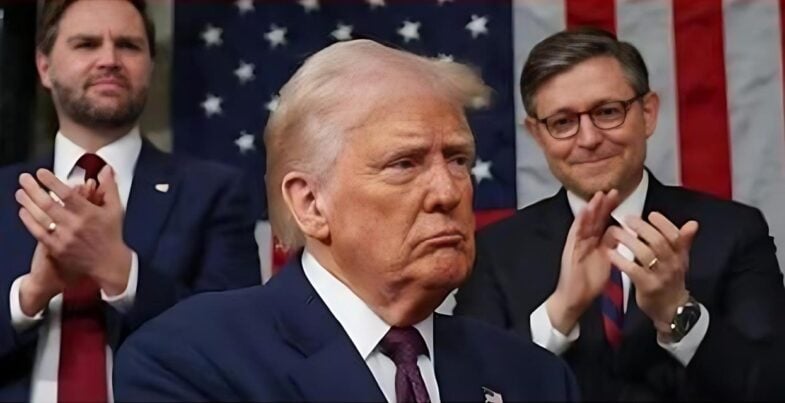
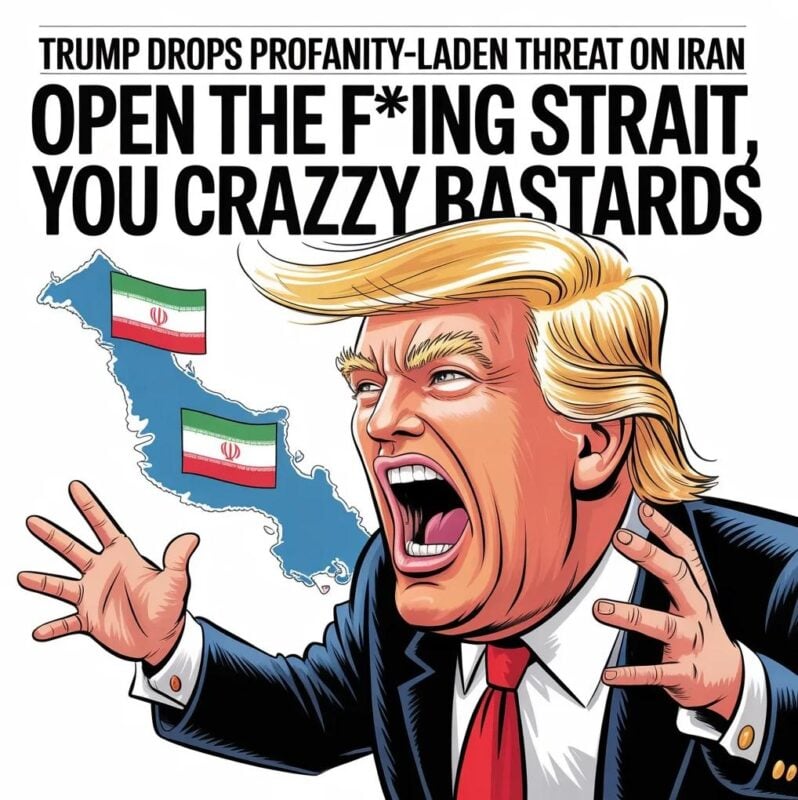
When we think about the power dynamics at play on the world stage, nothing sends chills down our spines quite like a threat from a sitting U.S. President to another nation. Donald Trump recently issued a stark ultimatum to Iran, demanding they reopen the Strait of Hormuz by 8 p.m. ET Tuesday or risk facing devastating attacks that could annihilate crucial infrastructure. This is a tense moment, and it feels like we’re holding our breath, waiting for the next move in a game that never seems to end well.
In a world already grappling with the fallout of a pandemic and economic uncertainty, the timing of this threat feels particularly reckless. With fuel prices soaring and communities already stretched thin, how can we as a people process the idea that lives could be lost over geopolitical machinations? Trump’s language was as incendiary as it was simplistic; calling for the death of an entire civilization is not just irresponsible, it’s a reminder of the harsh realities we face when leaders prioritize bravado over diplomacy.
We can’t overlook the impact that such threats have on our communities. The specter of war looms large, and while it’s easy to dismiss it as a distant problem, we know the consequences will ripple back to us. Our brothers and sisters, whether in the military or civilian life, can become collateral damage in a war that feels like it’s being fought on someone else’s chessboard. It’s a familiar narrative for us, one that echoes the struggles of our ancestors and the sacrifices they made, often without being asked to give their consent.
While it’s natural to feel anger and frustration at these developments, we also have to channel that energy into awareness and action. It’s crucial to engage in conversations about foreign policy, to educate ourselves and our loved ones about the complexities of these issues that rarely make the headlines. How often do we hear about the human stories behind the statistics? The families torn apart, the communities destabilized, all in the name of political posturing. This is not just about Iran; it’s a reflection of the systemic issues we face worldwide, where the lives of Black and Brown people are often the first to be disregarded.
As we navigate this turbulent landscape, we must remain vigilant and vocal. Our voices matter, and they deserve to be heard in the arenas where decisions about our lives are made. The stakes are high, and we can’t afford to be bystanders. Whether it’s through protest, community organizing, or simply educating ourselves and each other, we hold the power to influence the narrative. Let’s not sit back and allow another chapter of our history to be written without our input. In a world where civilizations can be put on the chopping block with a single tweet, our collective action is what will ultimately determine the outcome.
From The Source
About The Author