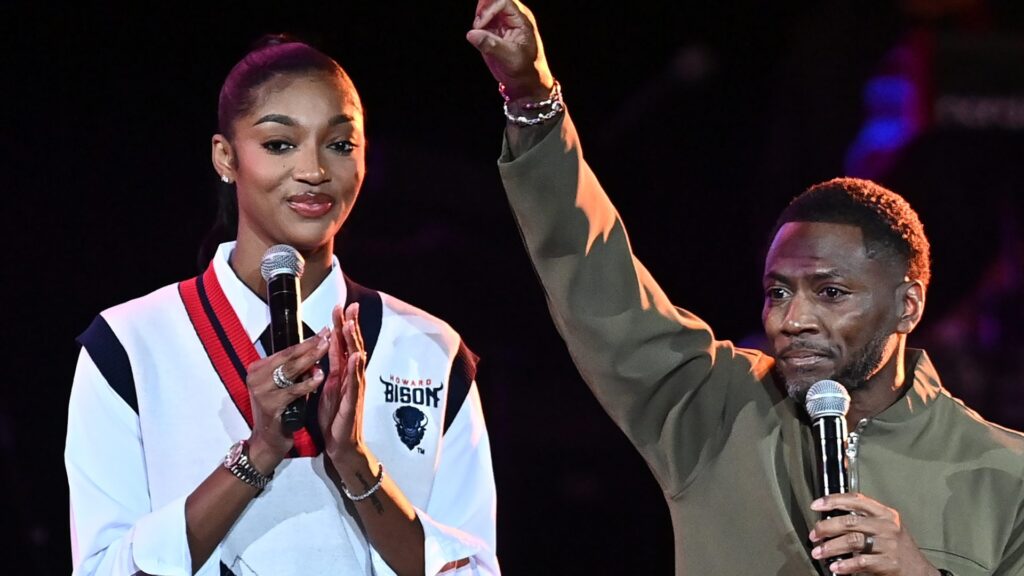
When icons like Victoria Monét and Angel Reese take a moment to embrace the transformative power of Historically Black Colleges and Universities (HBCUs), we need to listen up. This week, Grammy-winning singer-songwriter Monét set social media on fire with her heartfelt surprise visit to Spelman College, a revered institution that’s been nurturing Black excellence for generations. Her genuine enthusiasm for the HBCU experience is not just a nostalgic trip down memory lane; it’s a rallying cry for our community to recognize the irreplaceable value these schools bring to our culture.
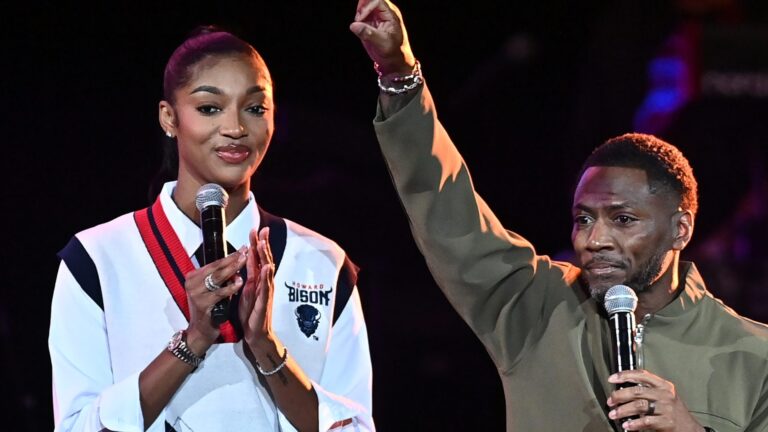
Monét isn’t the only one shining a light on HBCUs. Angel Reese, celebrated for her game-changing skills on the basketball court, has also spoken candidly about the importance of these institutions in shaping her journey. Both women represent a new wave of recognition that goes beyond sports and music; it’s about legacy, education, and the uplifting of our community. HBCUs have been a pillar of strength, resilience, and innovation, providing a haven where our young people can thrive academically and socially, free from the pressures of predominantly white institutions.
What’s often lost in the conversation is how HBCUs foster a unique environment that encourages self-discovery and empowerment. For many of us, these colleges are not just places of learning—they’re cultural hubs where we celebrate our history, embrace our identity, and build lifelong networks. Monét’s surprise visit wasn’t just a publicity stunt; it was an affirmation that these spaces are vital for cultivating the next generation of leaders, artists, and visionaries. In a world that often tries to sideline our voices, HBCUs ensure that we remain unapologetically heard.
The impact of HBCUs stretches far beyond the classroom. These institutions nurture creativity, critical thinking, and community engagement. They remind us that education isn’t just about obtaining a degree; it’s about fostering a sense of community and belonging. When Monét and Reese reflect on their experiences, they’re not just recounting memories; they’re igniting a movement that encourages our youth to consider the rich legacy that comes with attending an HBCU. It’s a reminder that the path to greatness is often paved by those who have walked it before us, and it’s our responsibility to uplift those same pathways for future generations.
So, as we bask in the glow of Monét’s and Reese’s recent revelations, let’s reaffirm our commitment to supporting HBCUs. Let’s share their stories, amplify their messages, and inspire young Black minds to explore these institutions that are so integral to our history and future. The conversation surrounding HBCUs isn’t just a trend; it’s a crucial chapter in the narrative of Black empowerment. It’s time we embrace this moment and recognize that, at the core of our successes, lies the unwavering strength of our HBCUs—where we build, inspire, and thrive together.
About The Author