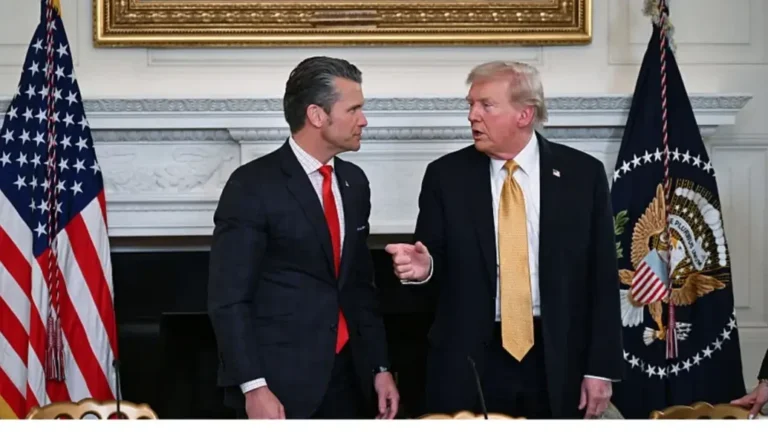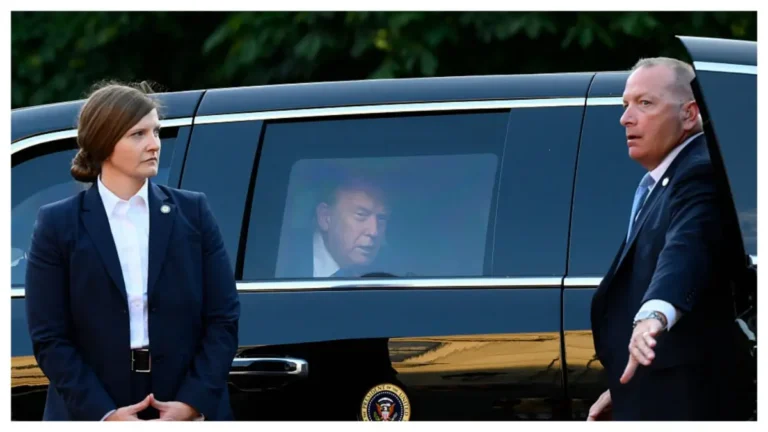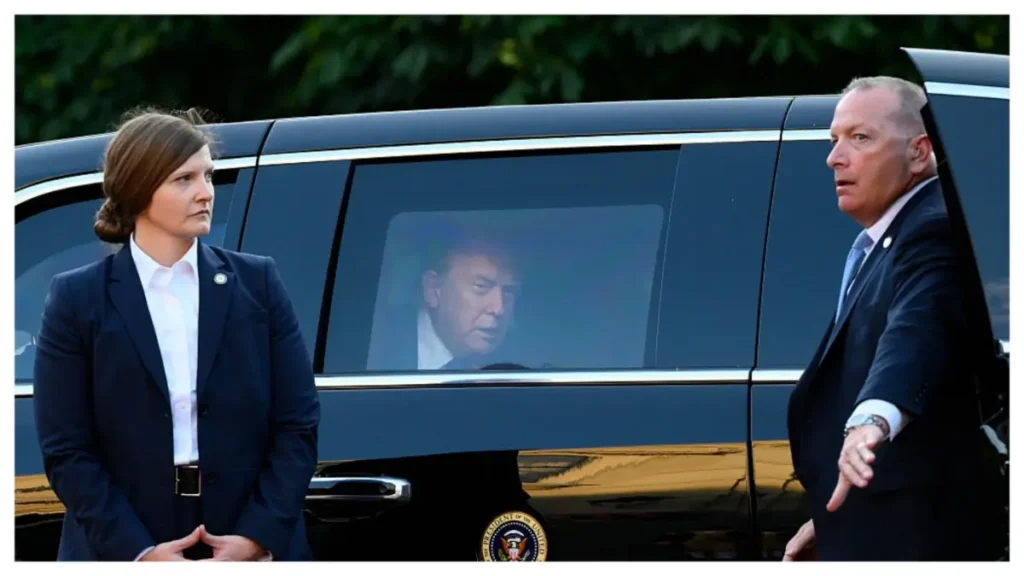
President Donald Trump’s recent claims that adversaries were “completely obliterated” and that U.S. forces “own the skies” came crashing down against the stark realities of the news cycle. As rumors of his hospitalization swirled around Walter Reed Medical Center, the chatter among political analysts and everyday citizens alike took on an urgent tone. Amid escalating tensions with Iran and the specter of a war that feels all too real, many began to wonder if this was a symptom of a much deeper crisis within the administration than just the health of one man.
The disconnect between Trump’s bravado and the looming threats from abroad has left many Americans feeling uneasy. The notion that the leader of the free world might be incapacitated at such a critical juncture raises questions far beyond his personal health. It reflects broader issues of leadership, stability, and accountability at a time when the stakes couldn’t be higher. With Iran’s aggressive moves and the very real possibility of military engagement, the uncertainty surrounding Trump’s condition has sparked a wave of speculation about who would be at the helm should things take a drastic turn.
As the drums of war beat louder, the public appears to be not just concerned about the potential for conflict but also increasingly frustrated with the lack of transparency from the administration. The phrase “We’ve had enough!” resonates beyond just the health rumors; it embodies a collective exhaustion with the status quo. Voters are tired of political theater and want leaders who are robust, available, and ready to tackle the multifaceted crises facing our nation. The idea that Trump’s health could impact policy decisions feels like yet another layer of chaos that constituents have to navigate.
Moreover, this situation underscores a significant flaw in the political infrastructure that underpins our democracy. As we witness the fallout from unsubstantiated claims and hasty decisions, it’s important to examine how these dynamics affect our collective future. The intersection of personal health and national security is a sobering reminder of the vulnerabilities that exist when power is concentrated in the hands of individuals who may not be equipped to wield it effectively in times of crisis.
In the coming days, it will be crucial for citizens to remain vigilant and demand answers, not just about Trump’s health but about the direction in which the country is headed. As we rally around calls for accountability and transparency, let’s not forget that our democracy thrives on informed engagement. The war against misinformation and instability is a battle we must all be prepared to fight.
About The Author