As we stand on the brink of 2026, a seismic shift is about to shake the foundations of military service in America. The U.S. government has decided that all men, regardless of their background, will be automatically registered for the military draft when they turn 18. This policy raises a red flag for many in our community, especially young Black men, who have historically faced unequal treatment within the armed forces and beyond. It’s not just a logistical change; it’s a matter of justice, equity, and survival.
We’ve seen time and again how policies like this hit Black communities harder than others. While the draft may seem like a distant concern for some, for us it’s a reminder of a system that has often used our youth as cannon fodder. The specter of military service looms large, a potential gateway into a world that has historically marginalized our voices and disregarded our lives. We only need to look back at the Vietnam War era, a time when young Black men were disproportionately drafted, sent off to fight wars that had little to do with their well-being. The echoes of that past resonate loudly today.
Automatic registration may sound efficient on paper, but we have to ask ourselves: efficient for whom? The reality is that systemic inequalities don’t vanish with the stroke of a pen. As the military gears up for a new generation of recruits, we must confront the uncomfortable truth that the burden will likely fall heavier on our shoulders. Black men already face barriers to education and employment opportunities, and the prospect of mandatory military service adds another layer to the already complicated landscape of their futures.
This isn’t just about military service; it’s about the choices that are being stripped away from our young men. Many of them are already navigating a world filled with obstacles, from economic challenges to social injustices. Pushing them towards the military, often with the guise of offering structure and opportunity, feels like a coerced choice rather than a genuine option. We should be empowering our youth to pursue their dreams, not funneling them into a system that has historically failed to prioritize their lives.
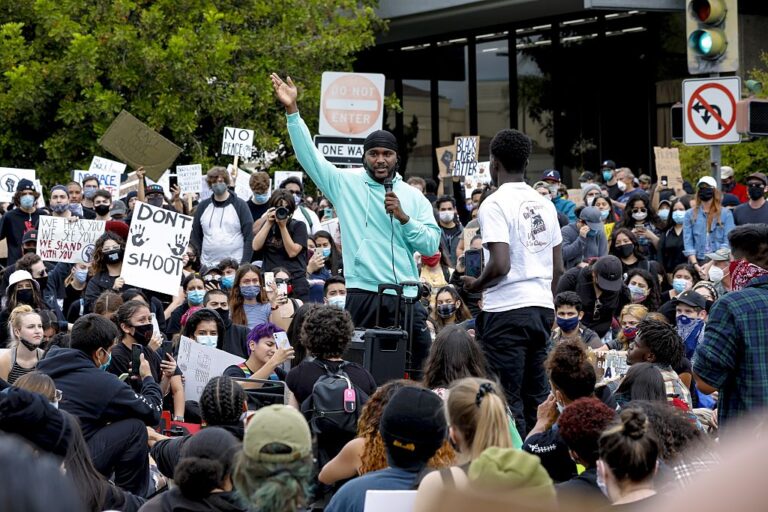
As we enter this new chapter, it’s crucial for us to rally together, to engage in discussions about what this draft registration means for our community. We need to uplift our voices and demand that young Black men are not just another statistic in a military agenda. The fight for equity extends beyond the battlefield; it starts in our neighborhoods, our schools, and our families. Let’s not forget: our power lies in our unity, and our future is at stake. We must be vigilant, proactive, and unyielding as we navigate this new terrain.
From The Source
About The Author